12 hr
Skjervøy Arctic RIB Whale Watching Safari from Tromsø
- Expert local guide
- Small group
- Skip-the-line access
- Free cancellation
Skjervoy Whale Watching — RIB Safaris into the Arctic Fjord
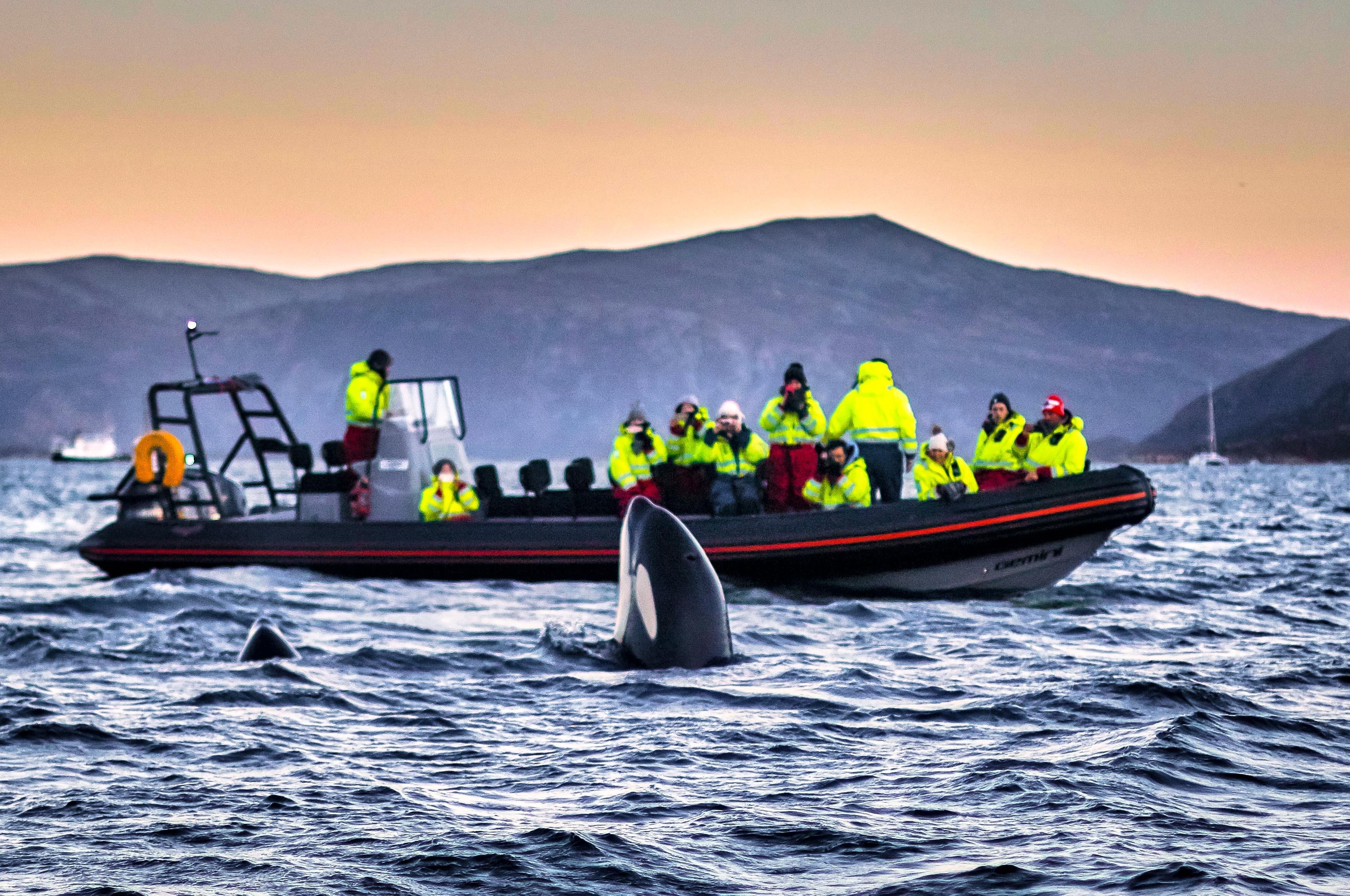
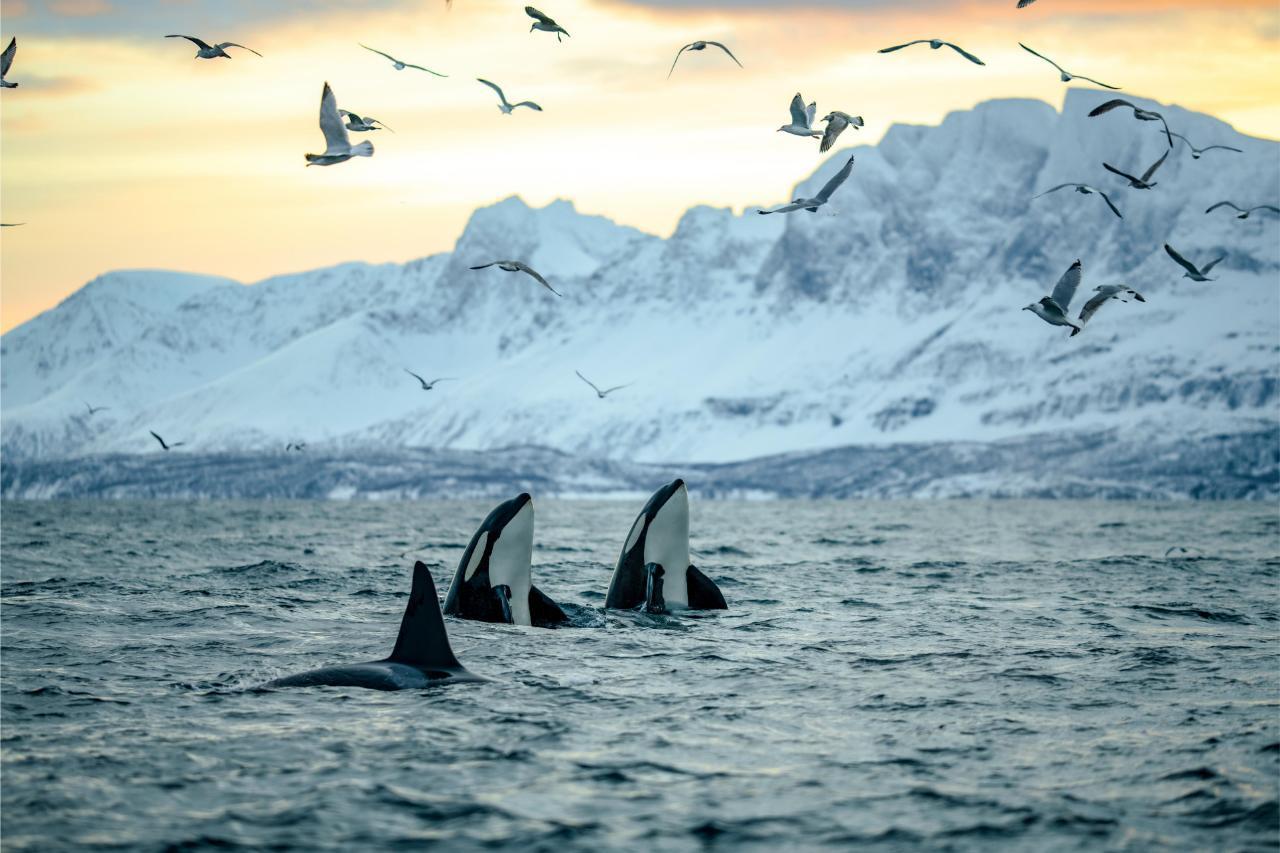
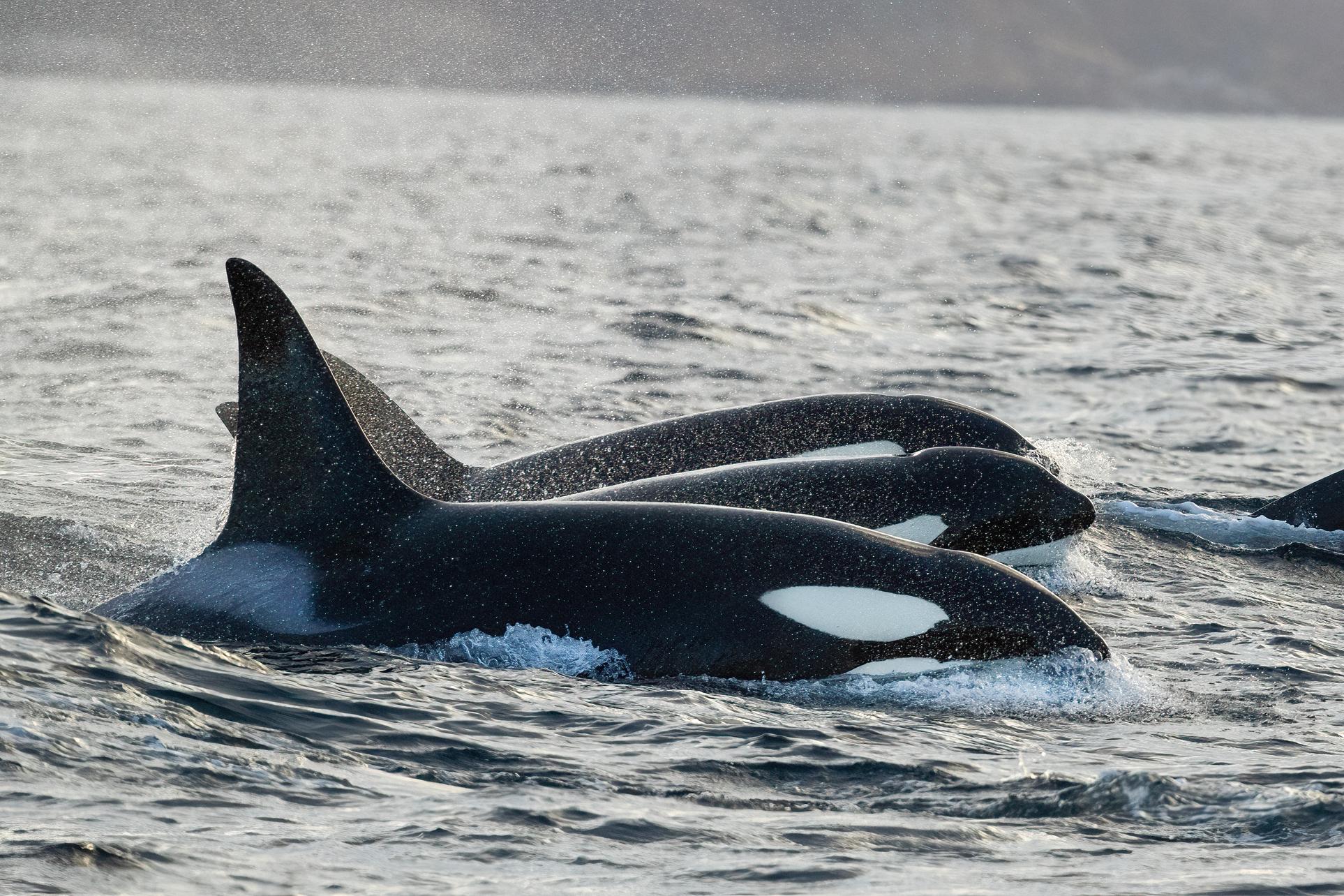
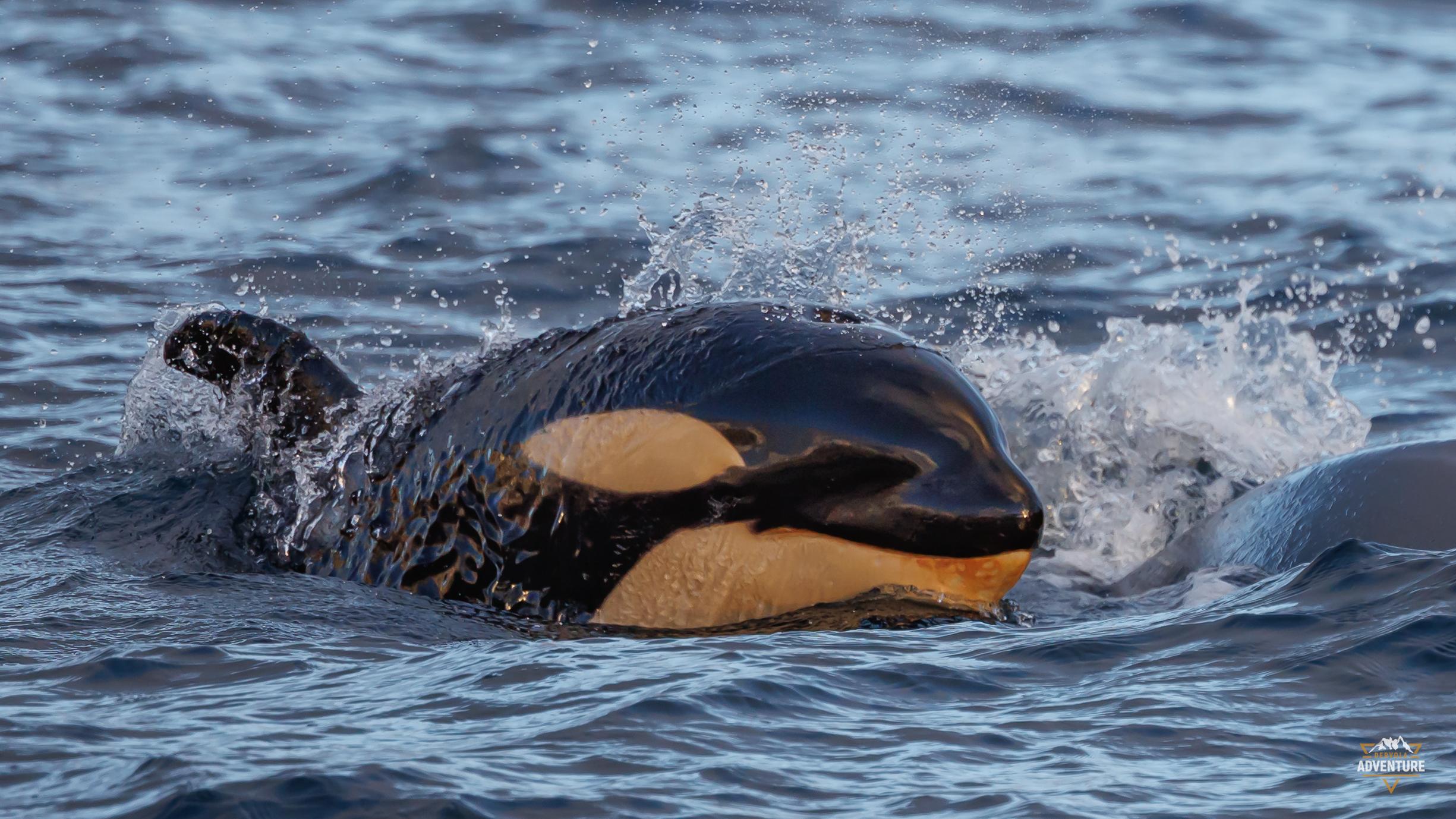
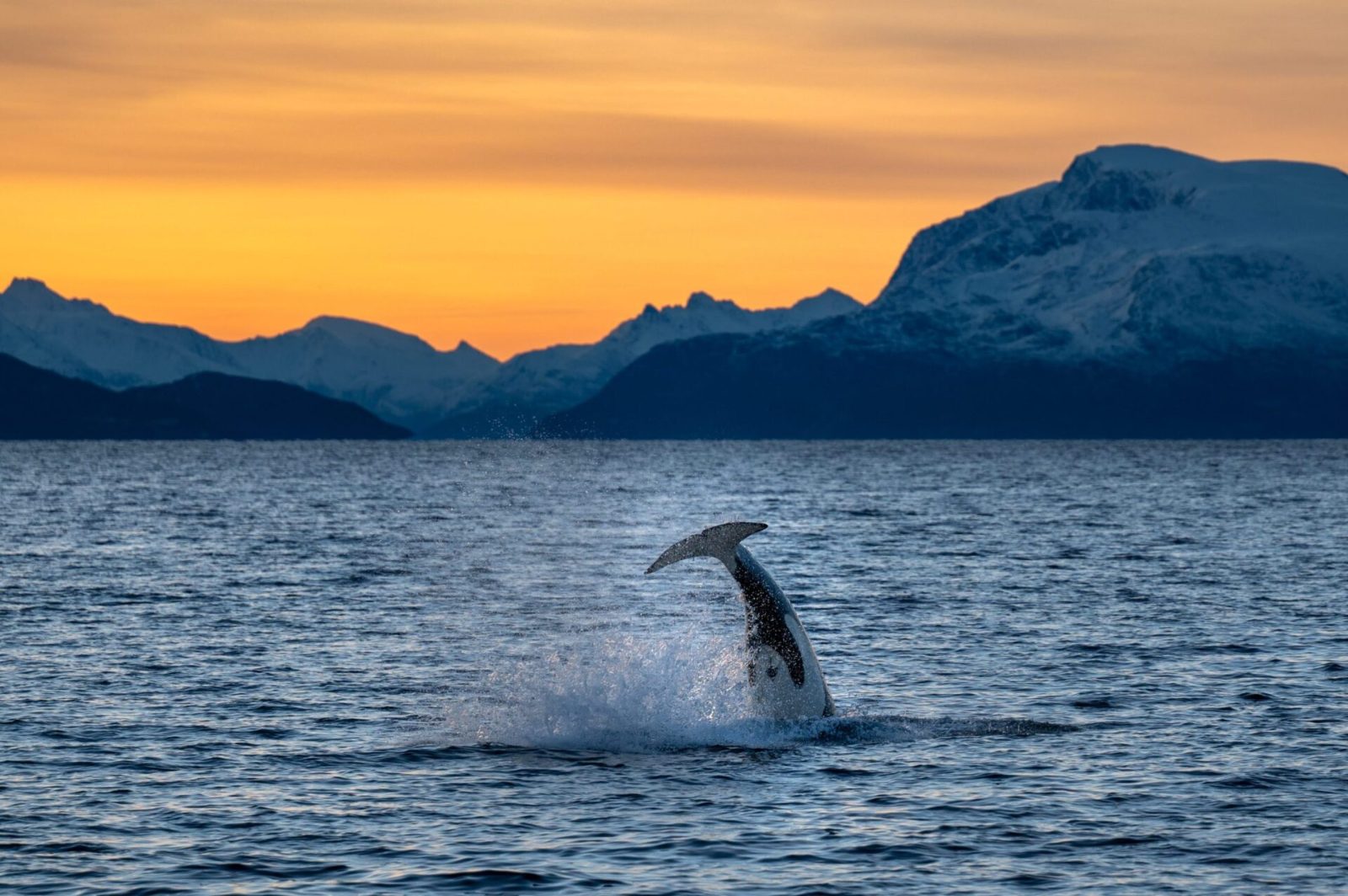
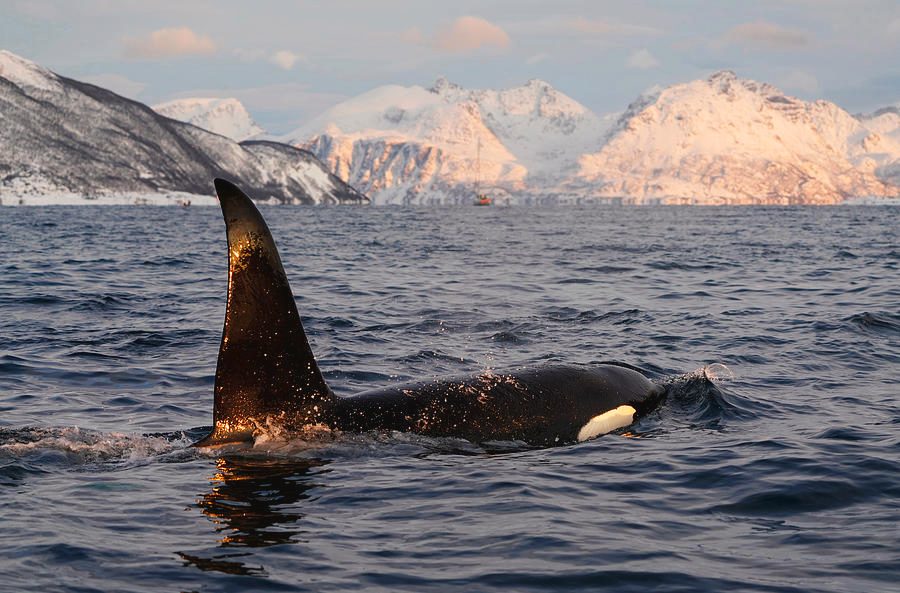
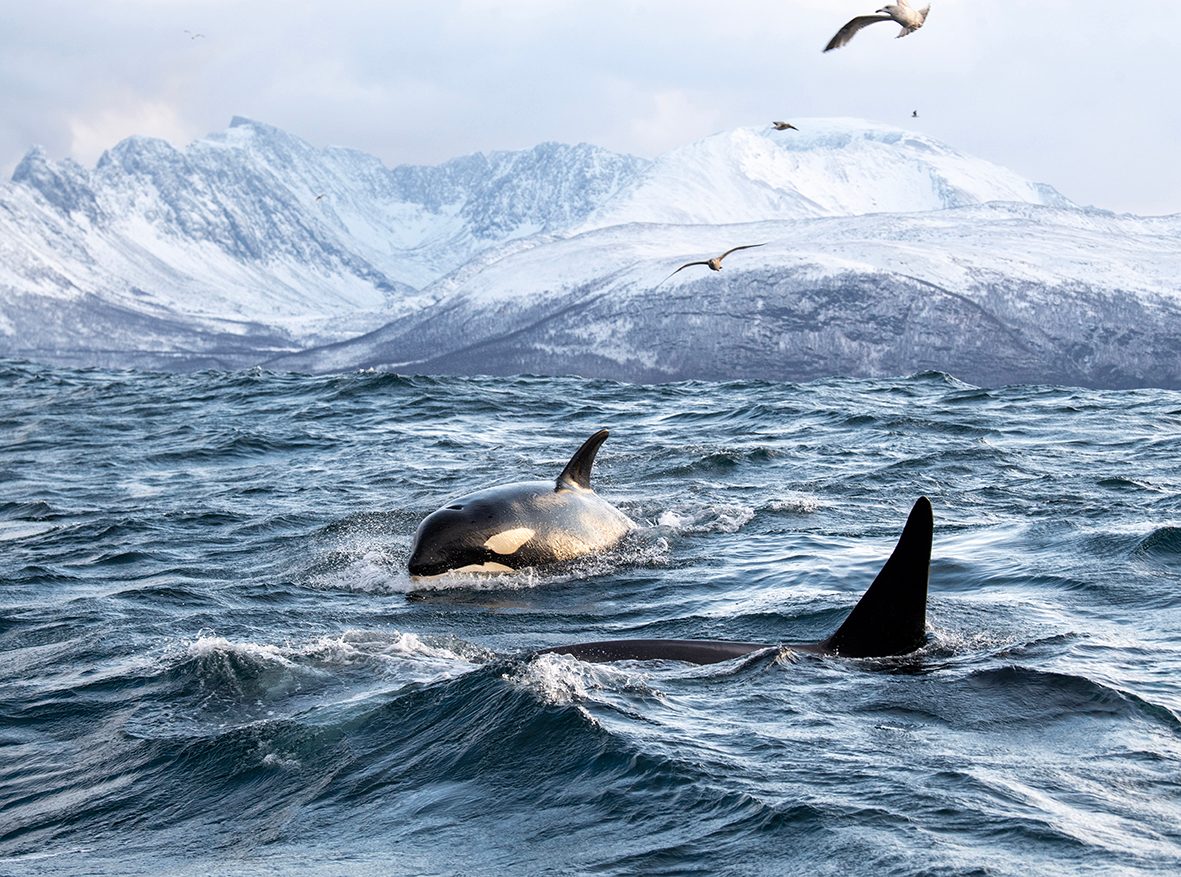
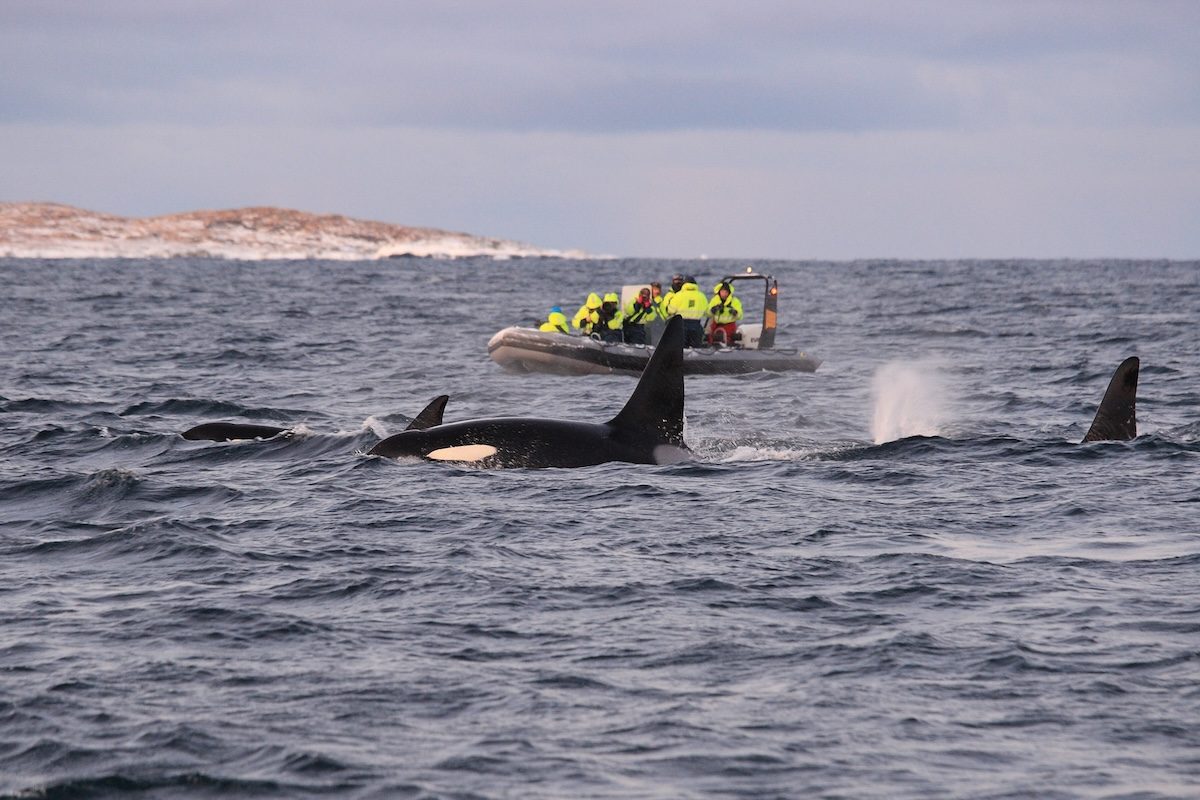
Orca wakes break the dark water, and the fjord holds its breath.
Compare fares, pick the fit — all bookings are mobile-voucher and eligible for free cancellation where shown.
12 hr
12 hr
9 hr
| Experience | Duration | Rating | Skip-the-line | Guide | Small group | Free cancel. | Price | |
|---|---|---|---|---|---|---|---|---|
|
Guided Experience
Most popular
Skjervøy Arctic RIB Whale Watching Safari from Tromsø
|
12 hr | ★ 4.7 | ✓ | ✓ | ✓ | ✓ | €309 | Book → |
|
Guided Experience
Skjervøy Arctic RIB Boat Whale-Watching Expedition from Tromsø
|
12 hr | ★ 4.8 | ✓ | ✓ | ✓ | ✓ | €291 | Book → |
|
Guided Experience
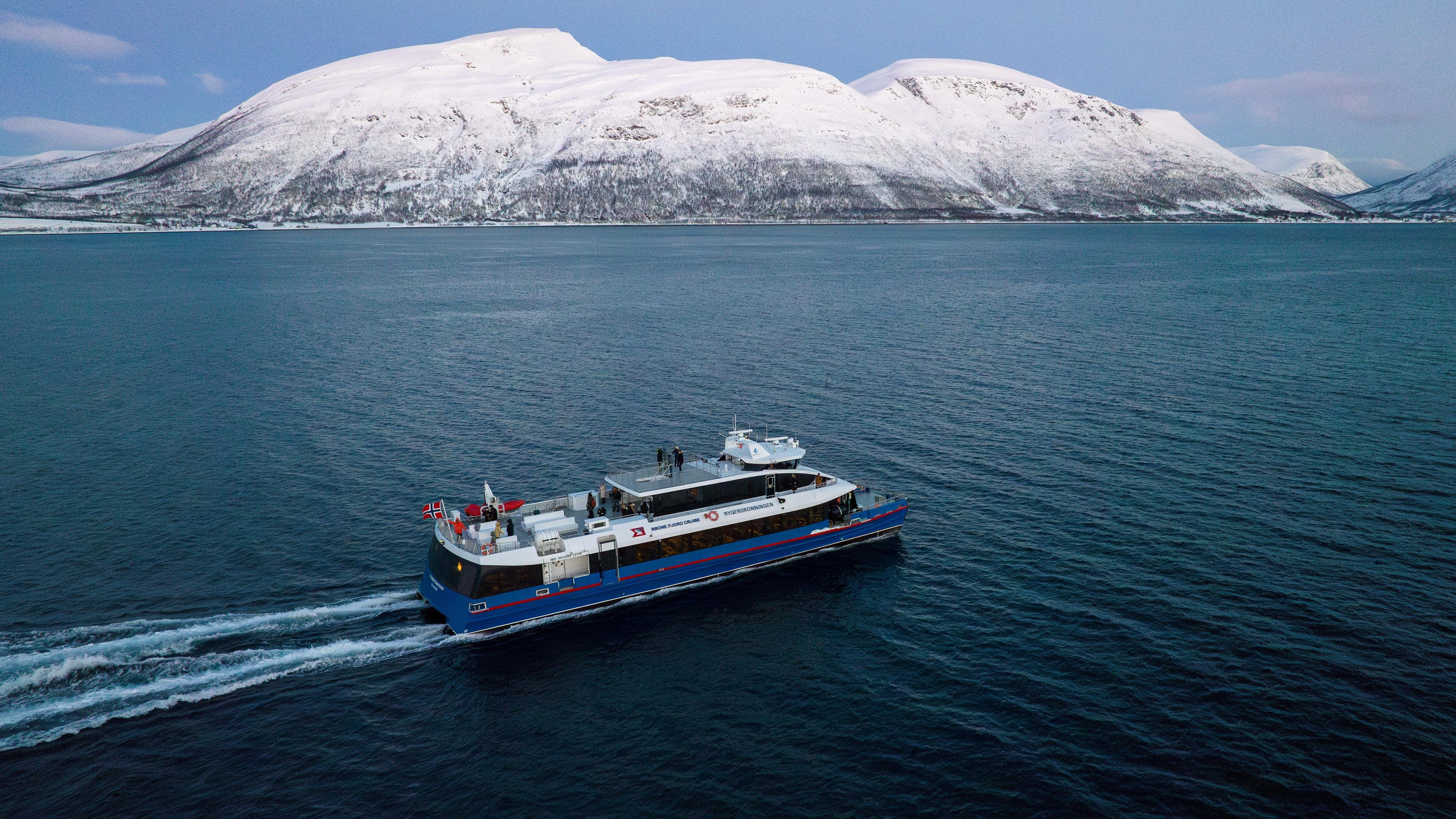
Tromsø Silent Hybrid-Electric Whale Watching Cruise
|
9 hr | ★ 4.5 | ✓ | ✓ | ✓ | ✓ | €181 | Book → |
Worth it for wildlife-focused travelers who plan
Entry to the harbor at Havnegata 18 costs 0 NOK, but skjervoy whale watching itself is a separate booking, and the tours are not cheap. What you pay for is a boat, a trained guide, and access to Arctic feeding grounds most day-trippers never reach. What you get in return is the strongest argument here: sighting rates for orcas and humpbacks sit well above what you would expect elsewhere, so your money buys genuine encounters rather than an empty horizon. The catch is the physical cost. A winter safari means hours of cold, spray, and open-water motion, and that endurance is priced into the experience as much as the fuel. For anyone who values close cetacean sightings and can handle exposure, the ticket earns its keep. For travelers chasing a quick, comfortable outing, a Skjervøy whale safari tour will feel like a lot of krone for a lot of shivering. Book the whale safari with realistic expectations and the value holds.
Bottom line: If close whale encounters matter more than comfort, skjervoy whale watching tickets are money well spent.
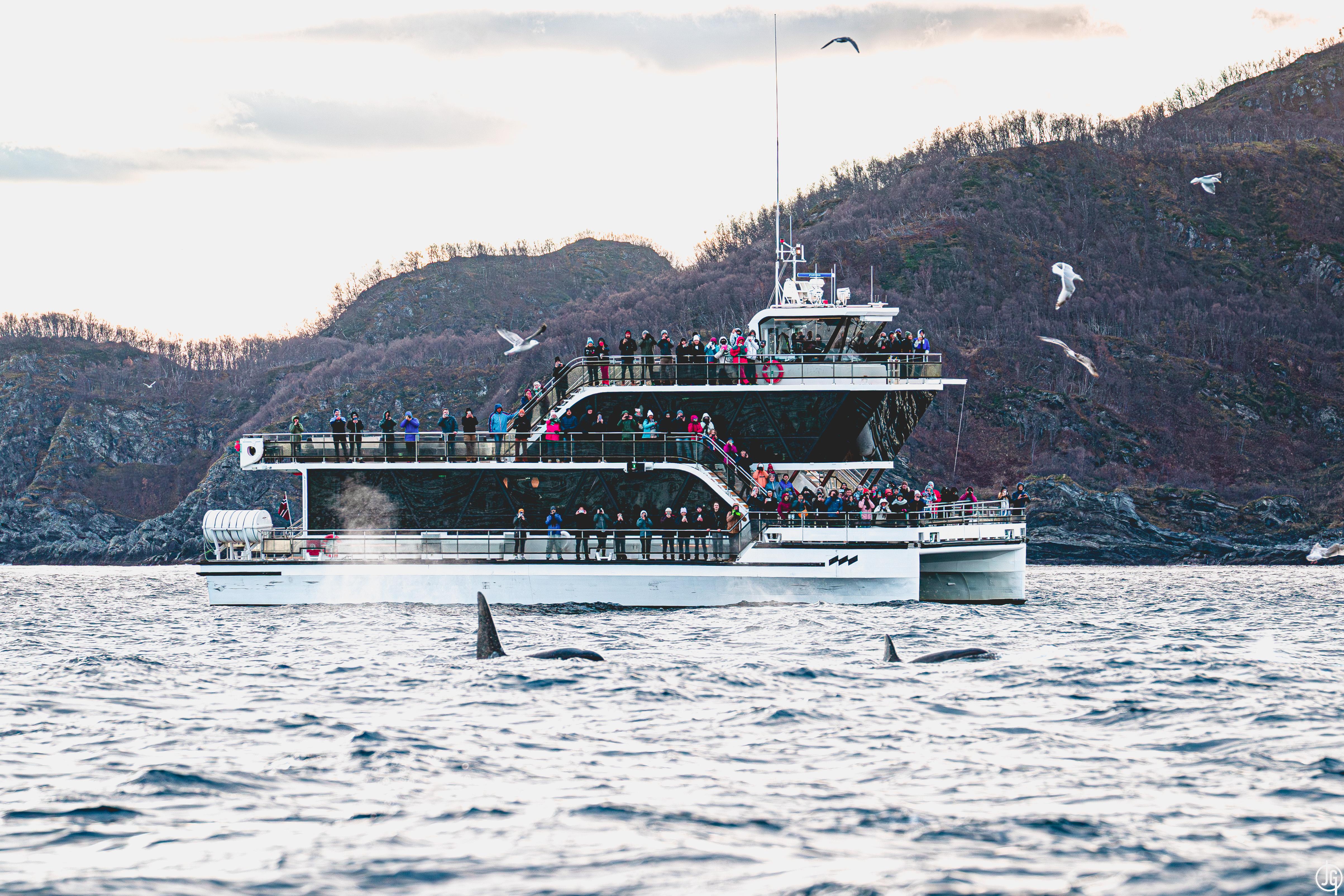
While an open RIB boat puts you at sea level for raw skjervoy whale watching, heated catamaran cruises provide a stable, family-friendly vantage point with multi-level outdoor viewing decks and warm indoor cabins. Choosing between the two depends on whether you seek the thrills of the open ocean or a relaxed cruise through the snowy fjords. Ultimately, active adventurers will find a high-speed skjervoy whale watching tour far more thrilling due to the speed and close-up angles, whereas those prioritizing comfort, photography equipment protection, or traveling with young children will prefer the catamaran.
|
Top pick RIB Boat Tours |
Heated Catamaran Tours | |
|---|---|---|
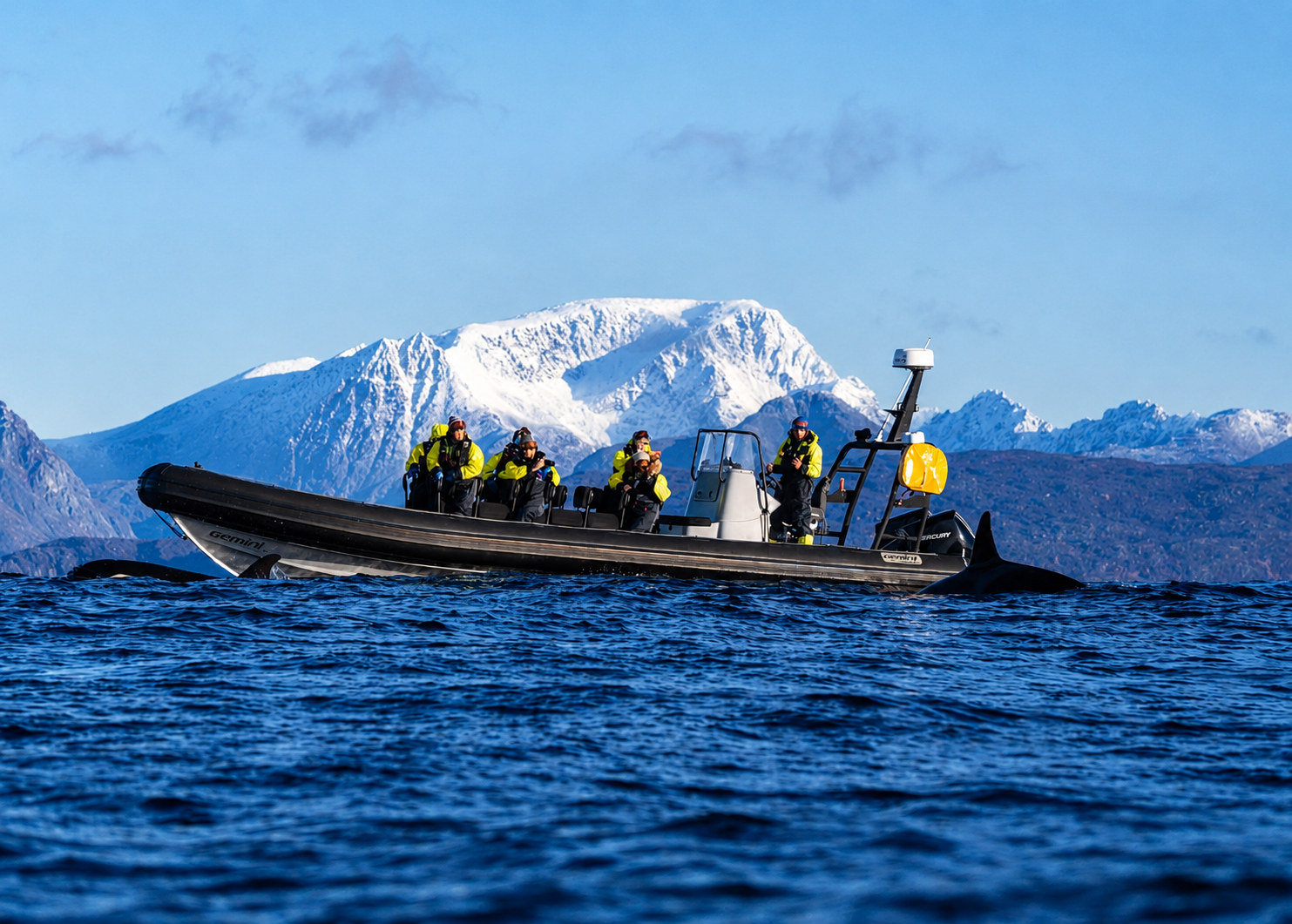
| Proximity to whales | Close-up (often 2–10 meters) | Distanced (usually 50–100 meters) |
| Comfort and warmth | Exposed deck; thermal flotation suits provided | Heated indoor cabin, restrooms, cafe |
| Suitability for photography | Difficult (ocean spray, high vibrations) | Excellent (stable decks, indoor spaces) |
| Minimum age limit | 6 to 14 years | None (all ages welcome) |
| Motion sickness risk | Low to moderate (bumpy, open air) | Moderate (swaying on open seas) |
| Duration on the water | 2 to 3 hours | 3 to 8 hours |
| See tickets & prices |
Verdict: If you are prepared for the sub-zero wind and spray, purchasing your skjervoy whale watching tickets for a RIB boat ensures an unparalleled, eye-level encounter, making it the superior choice for active travelers over the slower, more distant catamaran.
Hand-picked experiences loved by thousands of travelers
8 hours
Free Cancellation
Embark on a high-speed catamaran to search for majestic whales amidst the breathtaking Lyngen Alps.
8 hours
Free Cancellation
Search for humpback whales and orcas on a cozy Arctic cruise with a local family business.
12 hours
Free Cancellation
Speed through northern fjords on a RIB to spot wild orcas and humpback whales in their winter feeding grounds.
12 hours
Free Cancellation
Search for majestic whales from the warmth of a premium covered boat on this 12-hour Arctic safari.
4 - 12 hours
Free Cancellation
Board a high-speed open RIB boat to search for orcas and humpback whales in the stunning northern fjords.
4 hours
Free Cancellation
Search for orcas and humpback whales in comfort on a 4-hour heated cabin cruiser tour from Skjervøy.
3.5 hours
Free Cancellation
Search for majestic orcas and humpback whales from the cozy warmth of a modern, heated cabin cruiser in Skjervøy.
24 hours
Free Cancellation
Embark on a premium overnight Arctic cruise combining Northern Lights hunts, fjord scenery, and morning whale watching.
Meet at the harbor office to register and prepare for your excursion.
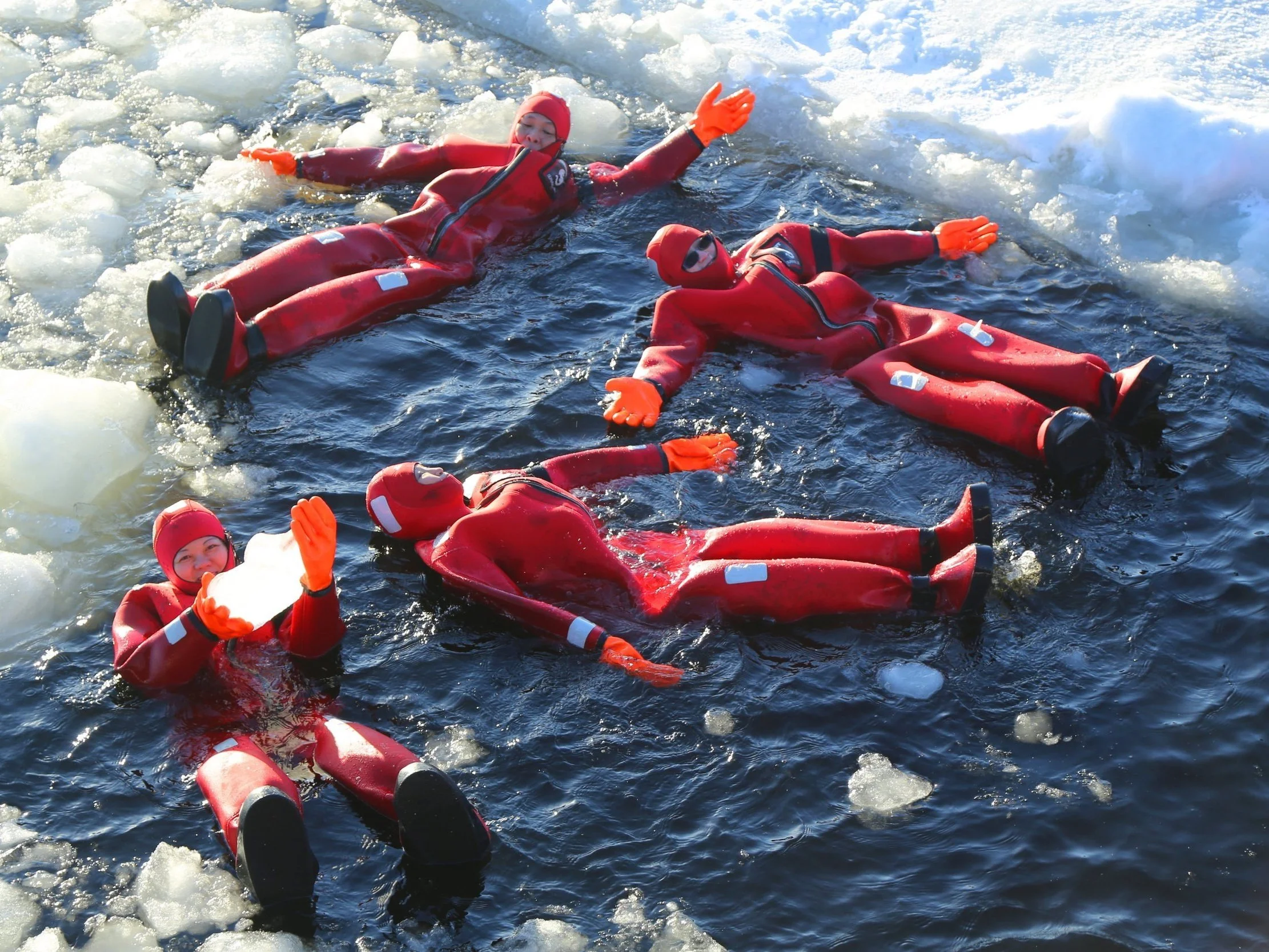
Dress in the provided windproof thermal flotation suits and listen to captain safety instructions.
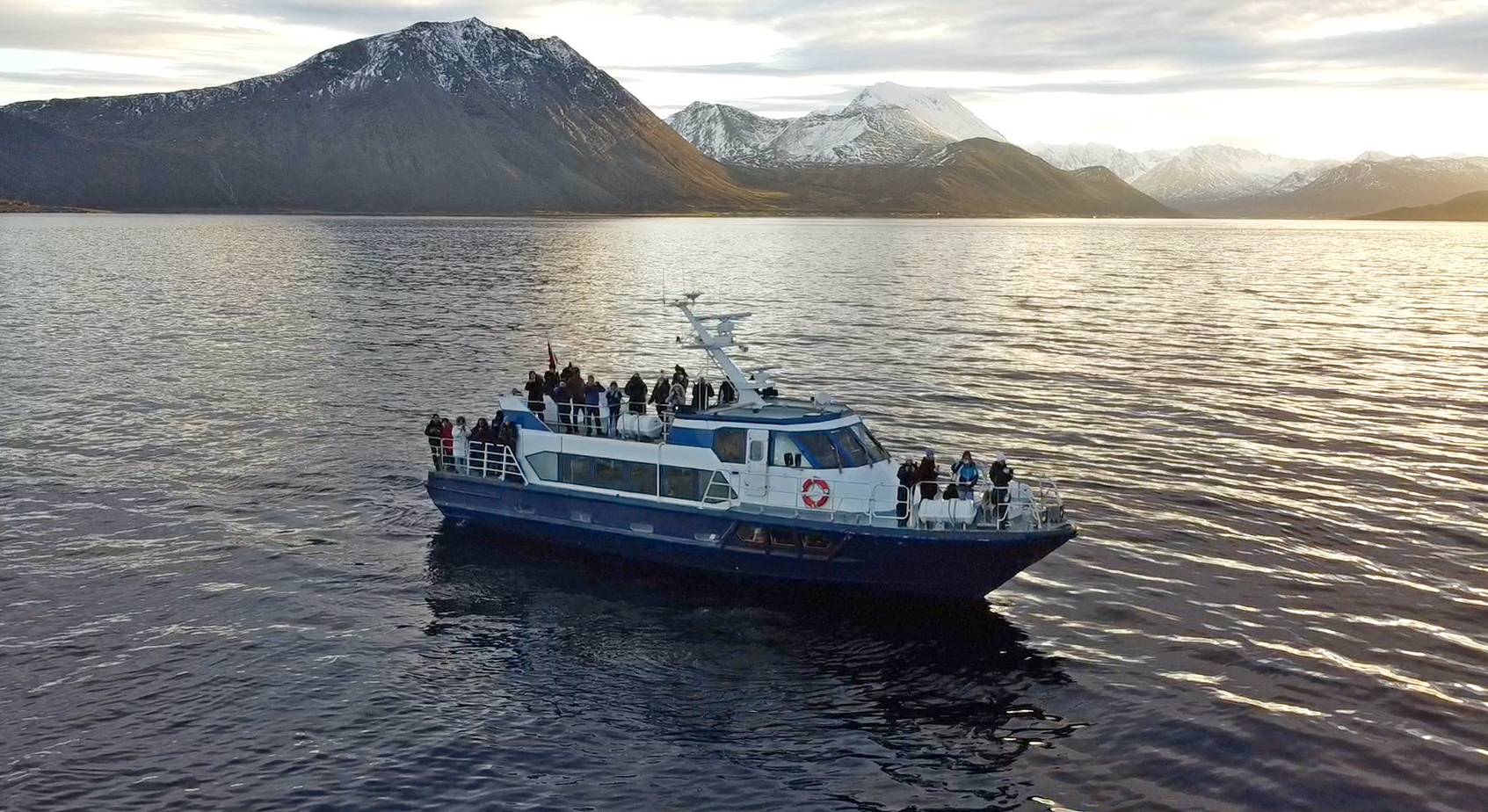
Board the vessel and cruise into the waters of the fjord to locate active feeding pods during your Skjervøy whale watching excursion.
Dock at the harbor, return the gear, and enjoy a warm drink at the harbor office.
The central departure point where specialized vessels dock. Guests gather here daily between November and January to board tours.
This deep Arctic fjord serves as the primary winter feeding ground for hundreds of cetaceans. The deep waters act as a natural trap for migrating herring.
The designated dressing area at the harbor pier where visitors suit up. Every guest is fitted with windproof thermal suits designed for freezing temperatures.
A narrow marine passage used by pods to travel between the open ocean and the inner fjords. Sightings here are common during the early morning hours.
The immediate coastal waters surrounding the island. Captains often spot the first pods of the day just minutes after leaving the marina.
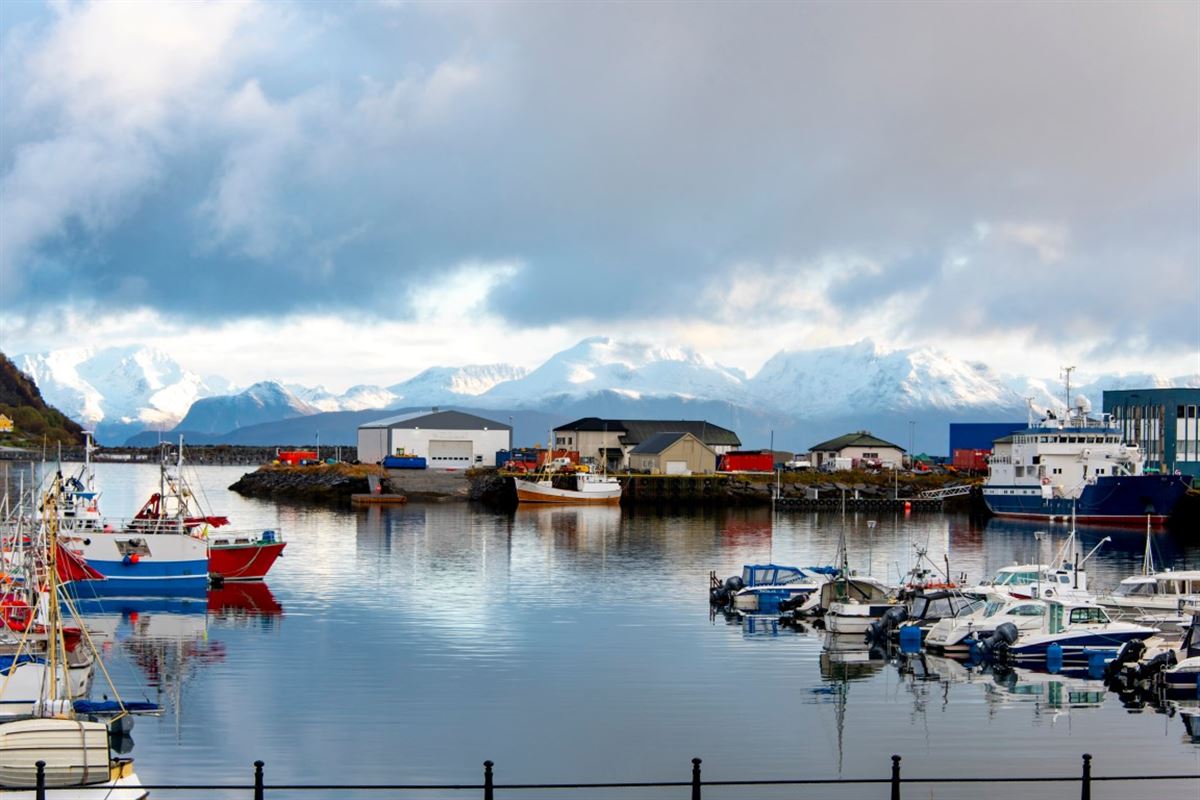
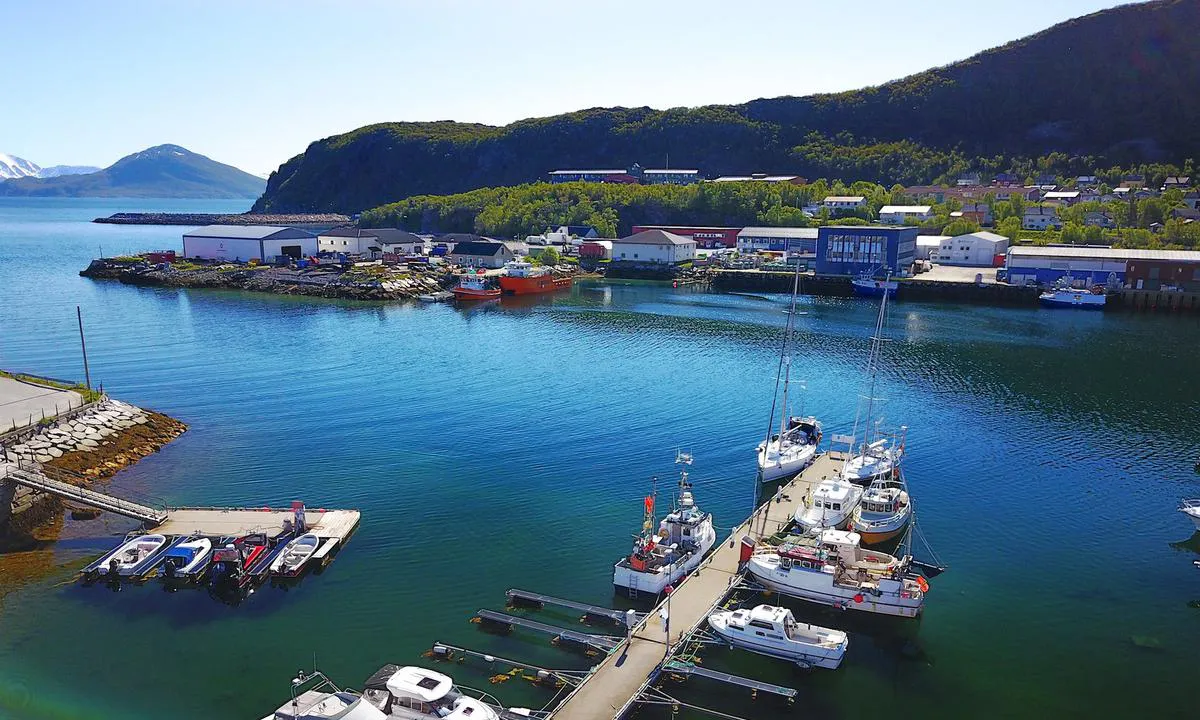
You reach Havnegata 18 by mid-morning, ideally between 09:00 and 13:00, when the low Arctic sun sits just above the ridgeline and the harbour is free to enter without charge.
You collect your skjervoy whale watching tickets at the quay, pull on the insulated suit handed to you, and step down onto the deck as the lines come off.
You feel the cold first, then the quiet. The boat noses past the breakwater and out toward Kvænangen, and you learn to read the water the way the crew does: a slick patch, a ring of gulls, a single grey blow against the dark hills. Someone points. You turn, and an orca surfaces close enough to hear the exhale.
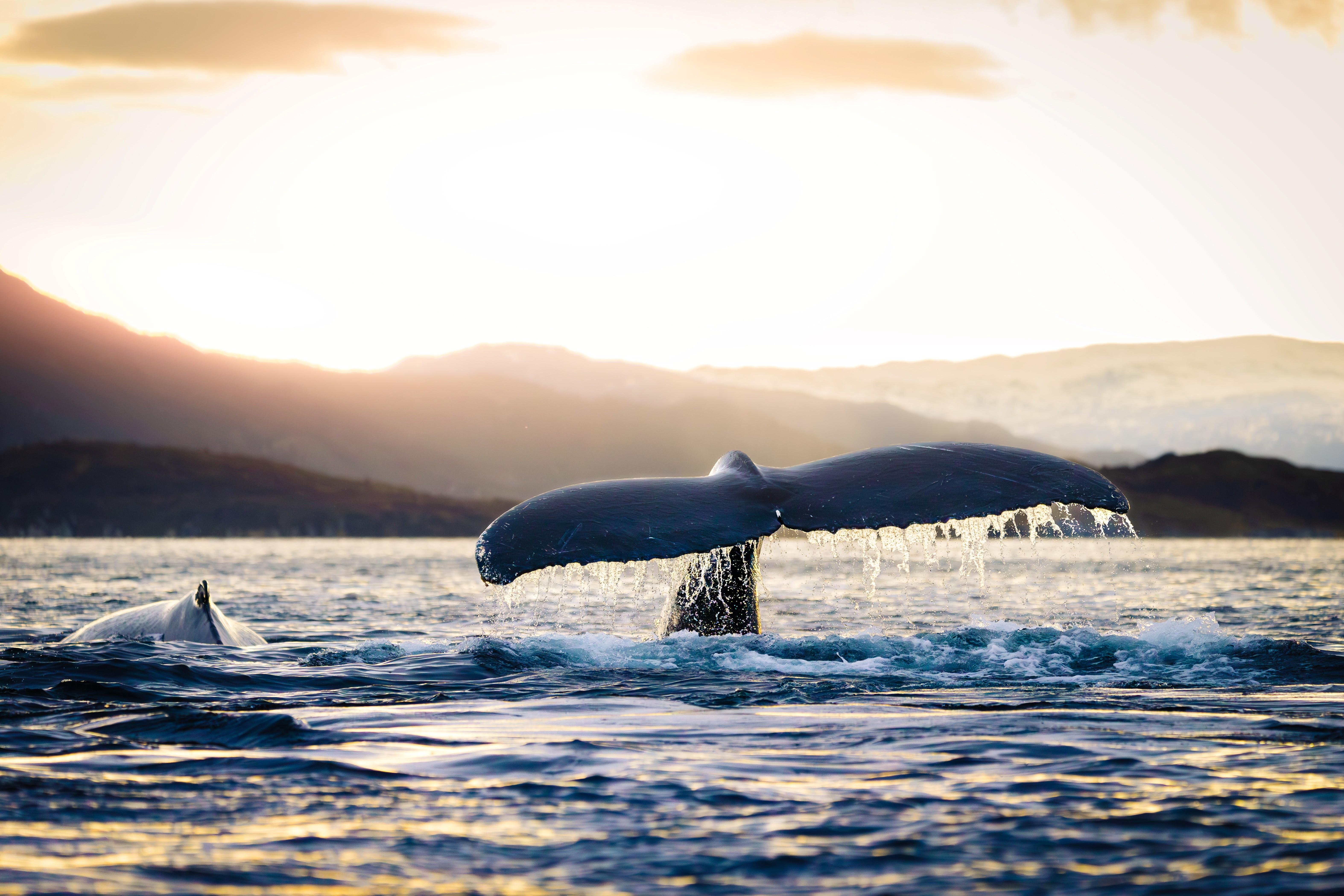
You steady your camera against the rail, count the dorsal fins as a pod fans out, and watch humpbacks roll through a herring ball. You keep your hands warm between sightings, sip something hot from a flask, and scan the horizon. When the light finally drops, you head back to the quay with salt on your jacket and the fjord still moving behind you. This is skjervoy whale watching at close range.
All the details about your upcoming adventure in one place
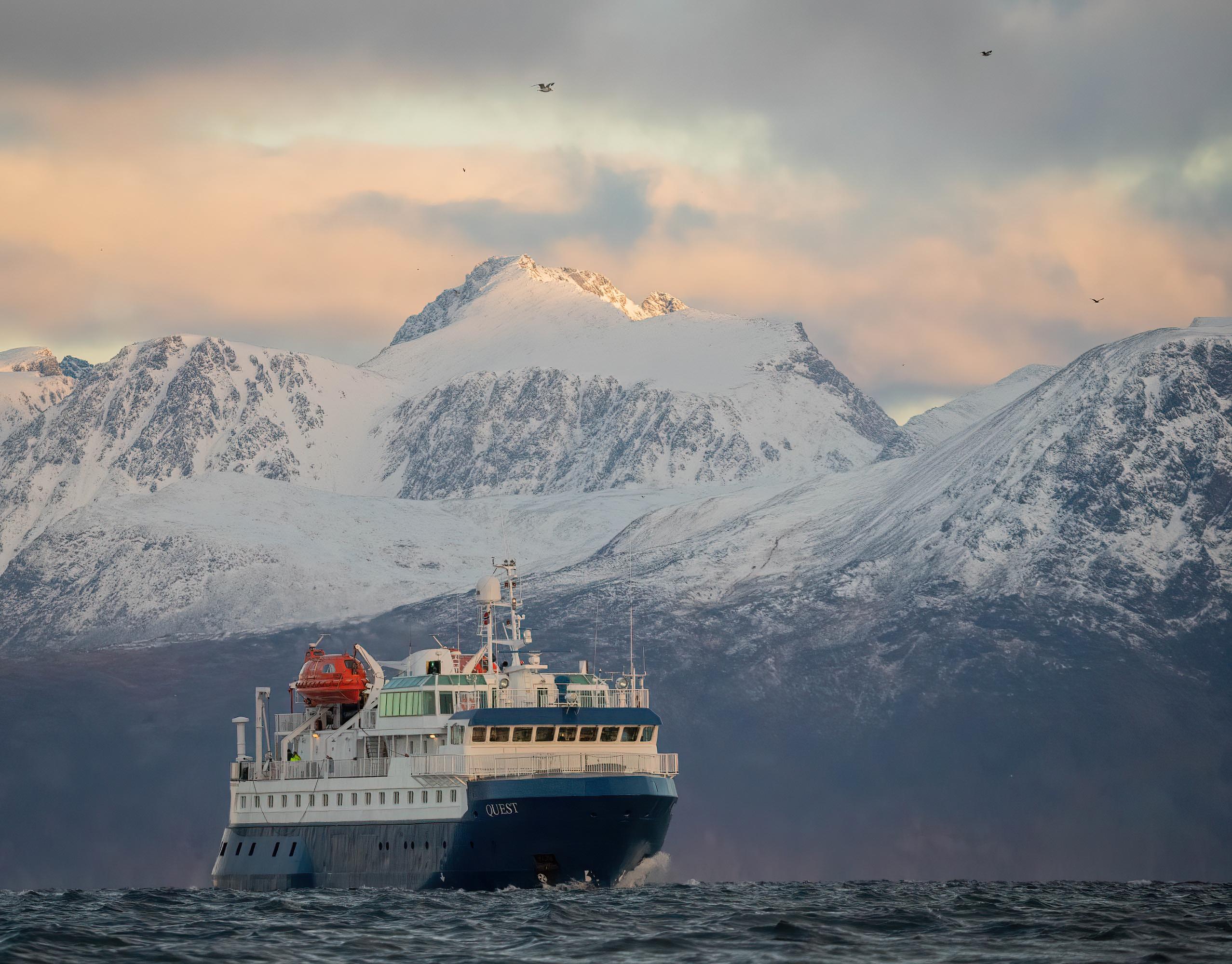
Set out from the harbor into the Lyngen fjord system, where skjervoy whale watching brings you close to orcas and humpbacks feeding in cold, nutrient-rich Arctic waters. Guided by experienced local skippers, these skjervoy whale watching tours pair open-sea navigation with quiet coastal channels framed by snow-capped peaks. Expect knowledgeable naturalist commentary, sightings of sea eagles overhead, and a genuine feel for life along Norway's northern coastline.
For decades the orcas of northern Norway gathered off Tysfjord, far to the south, until the herring rewrote the map. Around 2010 the great winter shoals began wintering instead in the fjords around Skjervøy, and the whales followed the fish north.
This herring migration shift turned a small fishing island into one of Europe's most reliable cold-water cetacean grounds, and skjervoy whale watching grew directly from that ecological accident.
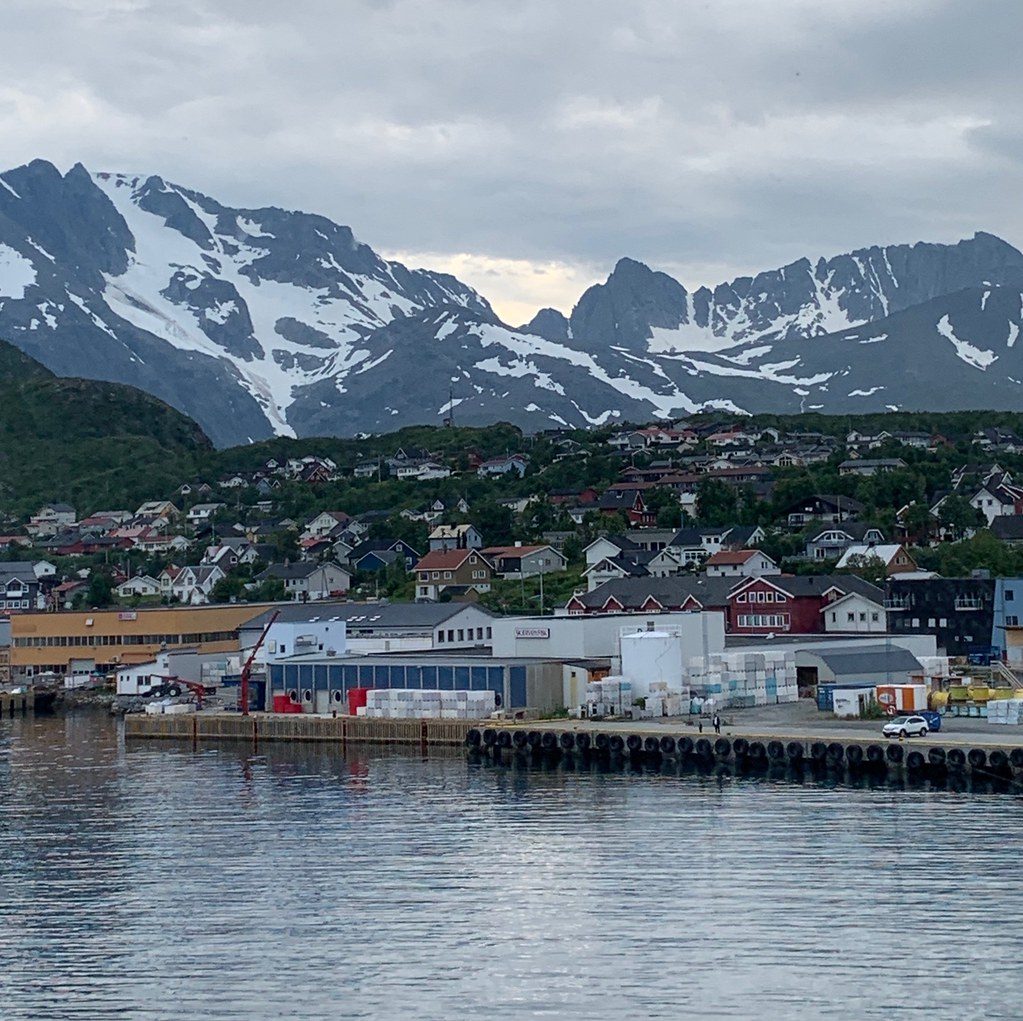
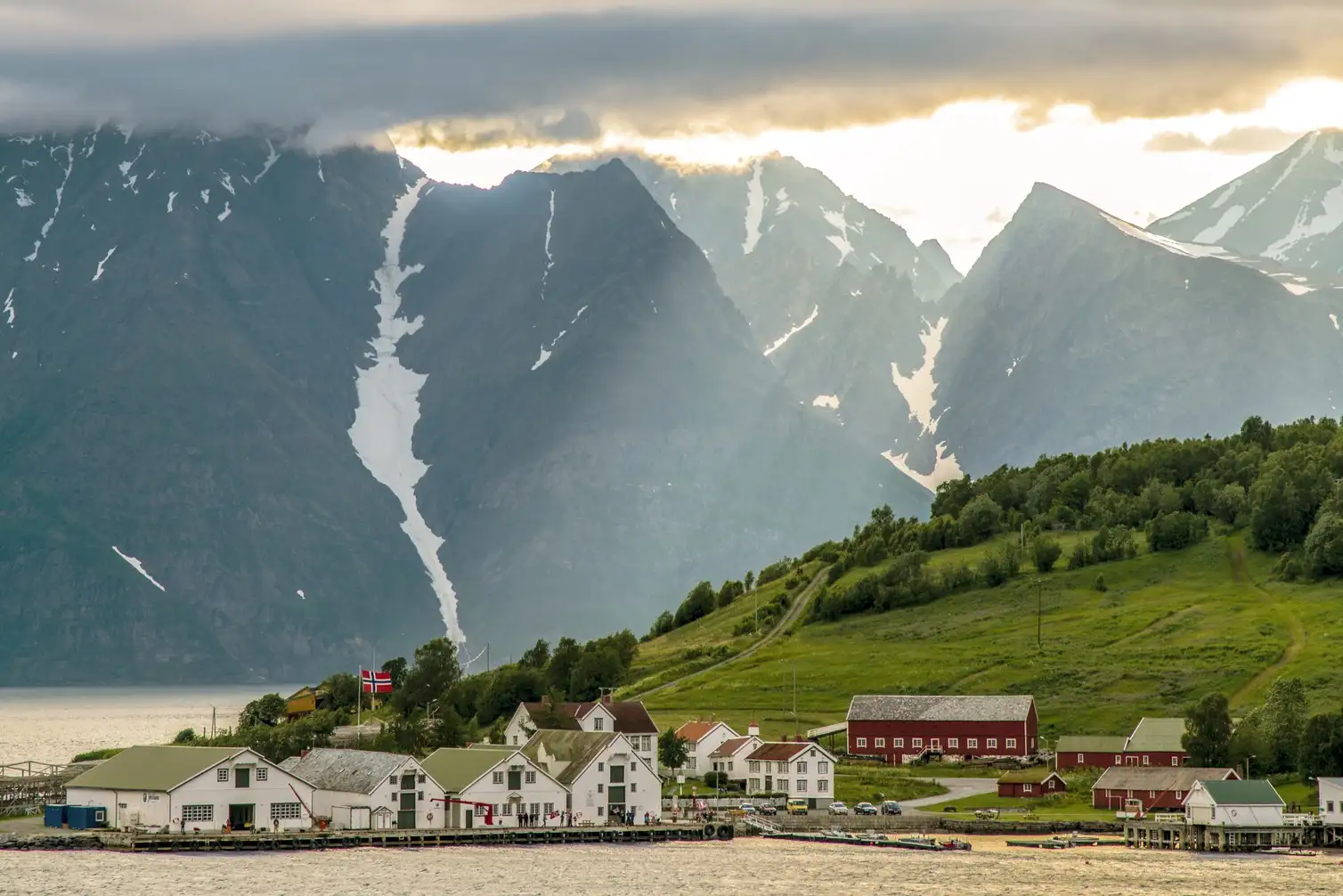
Skjervøy sits at 70 degrees north, a harbour town on an island in Troms, ringed by the Kvænangen fjord and the open reach of the Norwegian Sea. Its herring quotas once defined it; today its waters draw orcas and humpback whales that trail the shoals through the polar dark. From November to January the fjords fill with feeding pods, and the skjervoy whale season became the reason boats now leave Havnegata rather than nets.
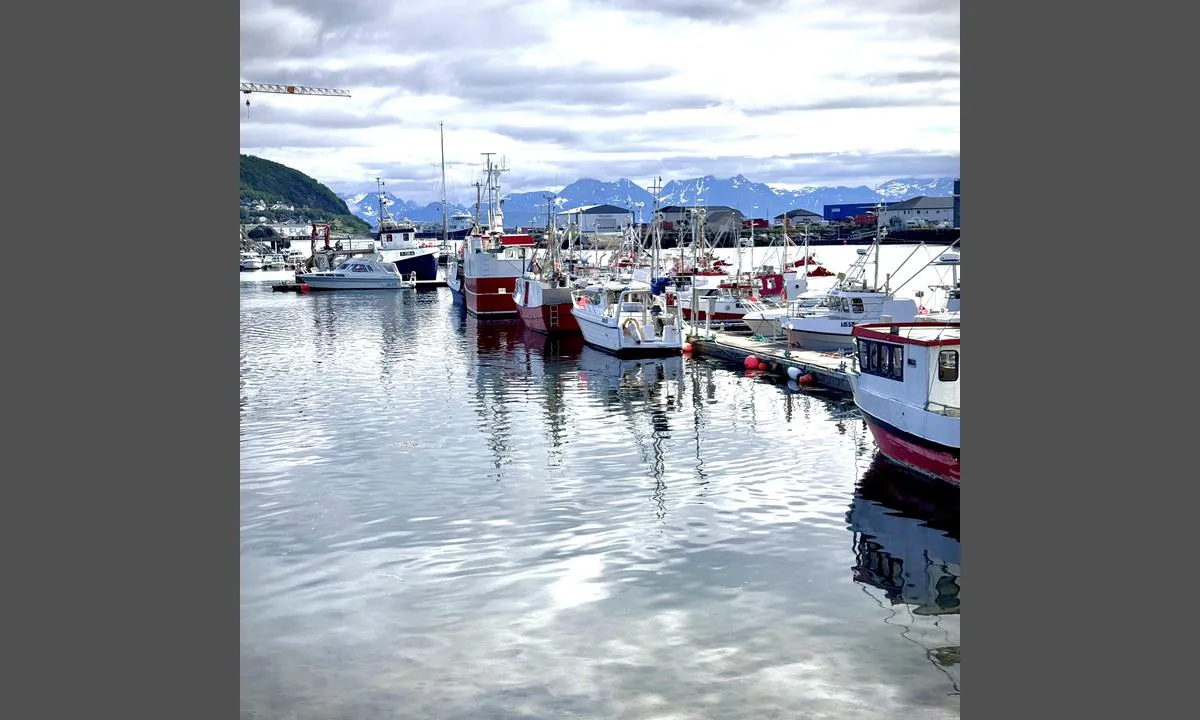
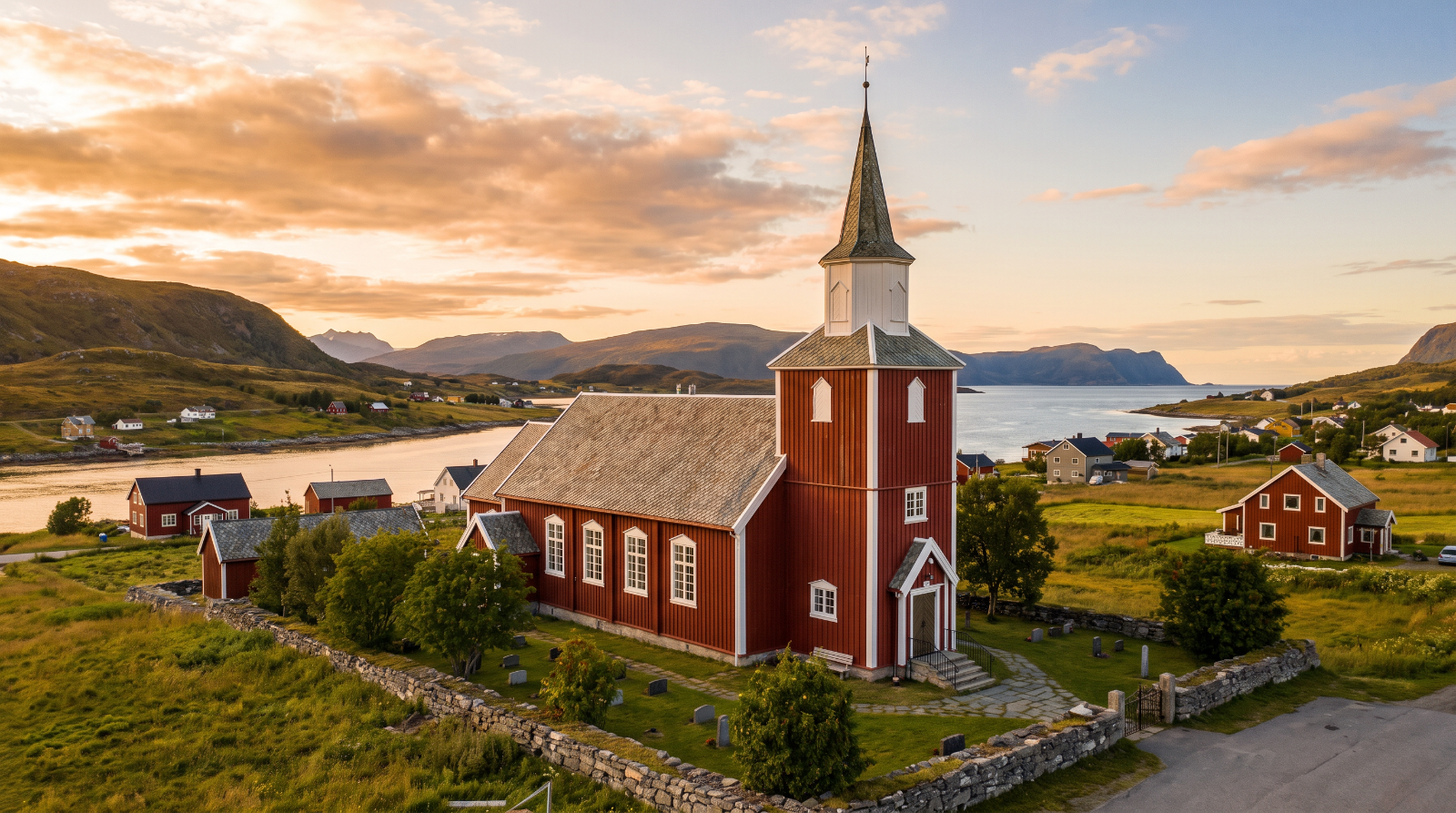
The town's relationship with the sea is old and practical. Cod racks, a 19th-century church, and a working quay speak to centuries of fishing before tourism. What changed was the audience. Where trawlers once tracked herring for profit, small operators now run the skjervoy whale watching rib boat tour and slower vessels out past the harbour mouth, reading the same signs the fishermen read: diving gannets, oily water, the distant blow.
The biology is specific. Orcas here hunt herring with a coordinated carousel technique, corralling fish into tight balls near the surface. Humpbacks arrive to lunge-feed on the same concentrations, and the two species share the fjords through the darkest months. A skjervoy whale watching tour is therefore a winter proposition, timed to the polar twilight when the low Arctic light barely clears the ridgelines.
That seasonality has shaped the place. A guesthouse economy, dive operators, and photographers now cluster where herring boats once dominated, and the herring's northward drift remains the single fact underwriting it all. Should the shoals move again, the whales will move with them. For now the island holds its position at the edge of the map, and skjervoy whale watching tours anchor a winter identity that the herring, not the town, ultimately authored.

The herring rewrote the map, and the whales followed the fish north into the fjords of Skjervøy.
For a Skjervøy whale watching tour, wearing multiple wool layers, thick socks, and insulated gloves is essential. Most operators provide thermal flotation suits to wear over your clothing, but you must bring your own warm winter boots.
Only small backpacks are allowed on board due to limited cabin and deck space. There are no security lockers at the harbor pier, so large luggage must be left at your accommodation.
Photography is permitted on all vessels, but protecting your camera from saltwater spray with a waterproof sleeve is advised. Drones are prohibited near wildlife to avoid disturbing the marine mammals.
For safety reasons, infants and very young children are not permitted on RIB boats. A minimum height of 120 centimeters is strictly enforced for children participating in Skjervøy whale watching.
Most RIB boats are not wheelchair accessible due to the physical boarding requirements and motion at sea. Some larger catamaran vessels can accommodate folding wheelchairs; check with operators before booking.
Guests are permitted to bring small snacks and a water bottle on board. Alcohol is strictly prohibited on all vessels, and hot drinks are often provided by the operator during the cruise.
Harbor area open 24 hours
Weekend morning departures
Opening hours
Mon–Sun: 00:00–23:59
Address
Havnegata 18, 9180 Skjervøy, Norway
Best arrival window
09:00–13:00 — Best Arctic daylight and alignment with morning tour departure times
Official site
https://www.visit-lyngenfjord.com/activities/whale-safari-skjervoy
Entrance fee
0 NOK (Free entry to harbor area; whale watching tours require separate booking)
Public transport · 2h 15m · Moderate
Take the regional express boat (Hurtigbåt) from Tromsø directly to Skjervøy, which operates daily.
Car · 4h · High
Drive along the E8 and E6 highways, taking the ferry from Breivikeidet to Svensby and Lyngseidet to Olderdalen to shorten the route.
Bus · 4h · Moderate
Book the Arctic Route bus that connects Tromsø to the harbor for Skjervøy whale watching departures.
Cancellations made at least 24 hours before the scheduled departure receive a full refund. If a tour is canceled by the operator due to severe weather, you will receive a full refund or an alternative date.
Recommended time
3-4 hours (excursion) or 12 hours (with transfers)
For travelers arranging self-drive journeys or taking organized transfers, timing is crucial to catch morning departures from the harbor area. Opting for a skjervoy whale watching tour means dedicating about three to four hours on the water and preparing at the dock. This includes the safety briefing, putting on your thermal suit, and sailing. However, visitors coming from Tromsø must account for a four-hour road transit each way, turning the excursion into a twelve-hour day trip. Group buses typically depart Tromsø at 05:30 to ensure arrival before 09:30, aligning with the brief window of Arctic daylight. Booking your skjervoy whale watching tickets well in advance is highly recommended to secure a spot on the limited vessels. If you are driving independently, plan to arrive at Havnegata by 09:00 to secure parking and complete check-in. When selecting among the available skjervoy whale watching tours, factoring in these transit timelines prevents missed departures. Most operators require participants to be ready at least thirty minutes prior to departure. Participating in skjervoy whale watching requires strict adherence to these schedules, as vessels cannot delay departures for late arrivals.
Crowd levels through the day
Weather · crowds · average price — dots go green to amber to red as each metric rises.
Herring schools move into the fjords during this late autumn window, attracting the initial pods of whales. Daylight hours are short but sufficient for morning excursions.
This month features polar nights with very limited twilight, creating challenging light conditions. However, whale activity is typically at its peak during this period.
The winter feeding season wraps up by late January as herring migrate back to the open ocean. This is your final opportunity of the winter to experience Skjervøy whale watching.
The whales are absent from the local fjords during these months as they follow migration routes. No tours operate during this off-season period.
Wear wool thermals under the provided flotation suits to stay warm. The Arctic air on an open boat feels significantly colder than on land.
Keep your camera gear in a waterproof bag to shield it from salt spray. Use a neck strap to prevent dropping equipment into the water.
Secure your spot weeks ahead, as spots on these specialized winter tours fill up quickly. Booking early is essential for Skjervøy whale watching.
If you are prone to motion sickness, take medication an hour before boarding. The water in the outer fjords can be rough.
Weather in the Arctic Circle is unpredictable and can lead to short-notice tour cancellations. Keep a buffer day in your itinerary.
The winter sun sets early in Northern Norway. Plan your excursions for the morning to make the most of the limited natural light.
Strandveien 96, 9180 Skjervøy
The main pier house where several operators check in guests and distribute thermal gear.
Get directionsHavnegata 18, 9180 Skjervøy
The harbor area where boat departures take place.
Get directions
Planning a family trip for skjervoy whale watching requires preparing for the extreme Arctic marine environment. Selecting the right vessel ensures younger children remain warm and secure throughout the journey.
Open RIB boats typically mandate a minimum age between 6 and 12 years, alongside height requirements of 120 cm. Families with toddlers should secure their skjervoy whale watching tickets for larger catamaran excursions that offer stable decks and indoor spaces.
Operators provide kids with specialized flotation suits and life jackets to handle the cold. Parents must ensure children wear their own high-quality wool thermal layers and thick socks underneath this gear to keep their extremities warm.
A standard skjervoy whale watching tour on an open boat is highly exposed to biting winter winds. Opting for a skjervoy whale safari with a heated indoor cabin is much safer and more comfortable for younger kids.
Strollers are prohibited on smaller vessels, but can sometimes be stored securely around the harbor area. Compare the different skjervoy whale watching tours to find an operator that offers convenient dockside storage for baby gear.
After your skjervoy whale watching adventure, head directly to the nearby harbor area to warm up with some local seafood. Dining options are concentrated just steps from where the skjervoy whale watching tours arrive, offering hearty meals for hungry travelers.
A welcoming spot in the town center for a post-tour coffee or a hearty lunch. Warm up with fresh pastries and barista-style coffee after your Skjervøy whale safari.
Centrally located near the terminal, this dining room serves daily dinner specials featuring traditional Norwegian fare. It is the perfect place to relax if you have booked evening travel along with your skjervoy whale watching tickets.
A modern dining concept combining a relaxed pub vibe with refined northern flavors. Ideal for swapping stories with locals after a long skjervoy whale watching tour on the cold Arctic waters.
Real experiences from real travelers
The skjervoy whale watching trip left the harbor right on time on a grey summer morning. Within an hour we had two humpbacks feeding beside the boat, close enough to hear the blow. The crew kept us warm with hot blackcurrant and knew exactly where to look.
Went out on a calm afternoon and the fjord was like glass. A pod of orcas travelled alongside us for a good twenty minutes, dorsal fins slicing the surface. Dress in more layers than you think, the wind bites once the boat picks up speed.
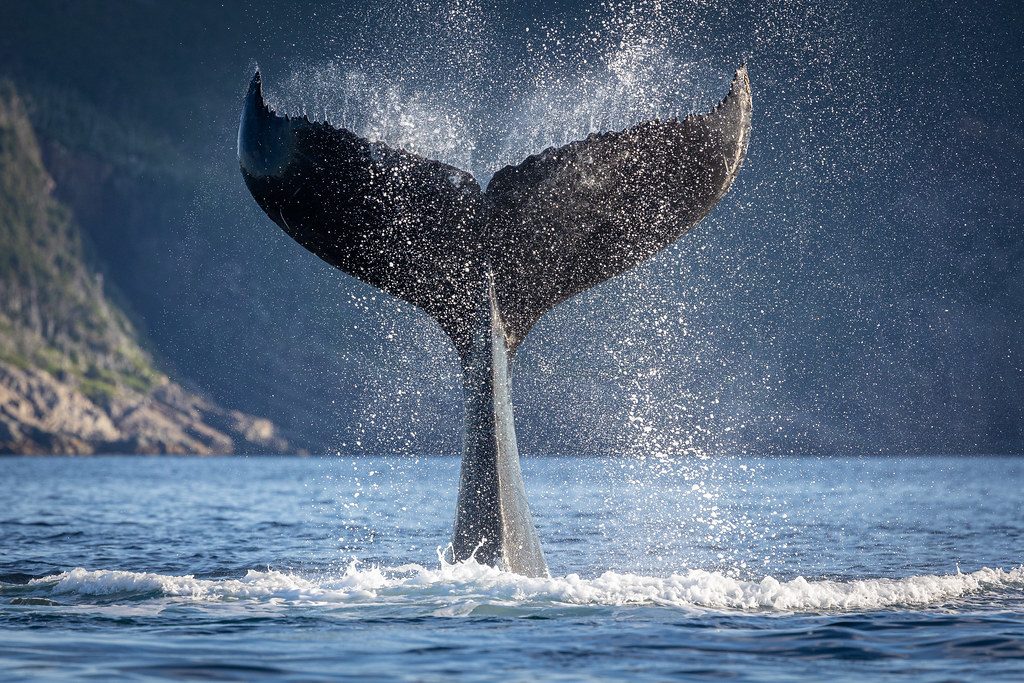
Beautiful scenery even before any whales appeared, with the Lyngen Alps catching the last light. We saw a distant fluke and a couple of sea eagles circling overhead. The guide narrated in clear English and answered every question.
Our skjervoy whale watching guide spotted a fin within twenty minutes of leaving the quay. The RIB moves fast so hold on, but that also means you cover more of the fjord. Bring a waterproof cover for your camera.
As a local I still book the hvalsafari when family visits. It felt well run and the skipper respected the animals, keeping a proper distance at all times. A quiet, cold morning on the water that stays with you.
Booking skjervoy whale watching tickets a week ahead was smart since the boat filled up. We had crisp blue skies and spotted three humpbacks between Skjervøy and the outer islands. Toilets on board were a nice surprise for a longer outing.
Long day but worth it for a first sight of orcas in the wild. The Arctic cold was intense for someone from Rio, so I was glad I rented the extra thermal suit. Water was choppy on the way back and a few people felt seasick.
Signed up for a Skjervøy whale safari tour on a whim and it became the highlight of our week. Snow flurries came and went, and a humpback surfaced maybe fifty metres away. Staff handled everything smoothly from check-in to the return.
Scenery around the fjord was lovely but we only glimpsed one whale far off. Our afternoon slot was quieter than the morning boats reportedly were. Still glad we went, just temper your expectations.
Everything you need to know for your journey
Tours depart from the harbor at Havnegata 18. This is the main departure point for all Skjervøy whale watching activities.
The prime season for Skjervøy whale watching runs from late October to late January, coinciding with the annual herring migration.
While there is no strict age limit on larger boats, safety regulations for RIB vessels dictate that children must be at least 120 centimeters tall to join a Skjervøy whale watching tour.
Warm underlayers and wool socks are required for Skjervøy whale watching. Operators provide thick, windproof thermal flotation suits and life jackets to keep you warm.
No, the entrance fee to the harbor area is 0 NOK, but booking Skjervøy whale watching tickets in advance is required to secure your place on a boat.
Yes, photography is permitted and highly encouraged. Bring a zoom lens to capture the whales from a distance, as Skjervøy whale watching guides maintain a respectful distance from the animals.
Booking in advance is highly recommended because the winter window is brief and tours fill up quickly.
Yes, free parking is available at the public lot near Havnegata 18, directly adjacent to the departure piers.
Most operators offer hot drinks like tea or cocoa, and some larger boats have light snacks for sale, though you should bring your own food for longer trips.
If an excursion is canceled due to poor weather or rough seas, you will be offered a full refund or the option to reschedule to another day.
A historic wooden church dating back to 1728, representing the oldest church in the region.
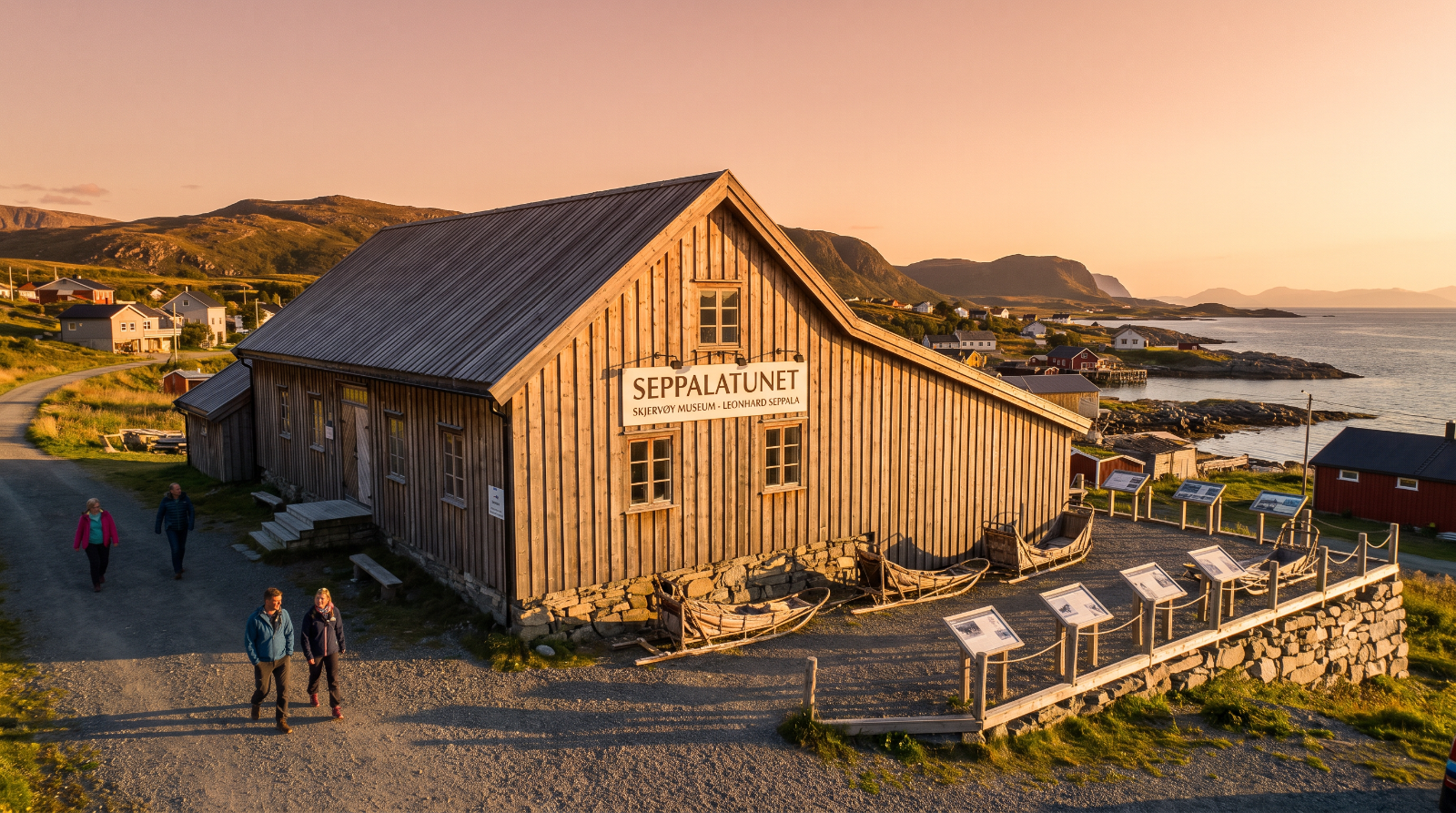
A cultural center dedicated to the history of dog musher Leonhard Seppala and regional heritage.
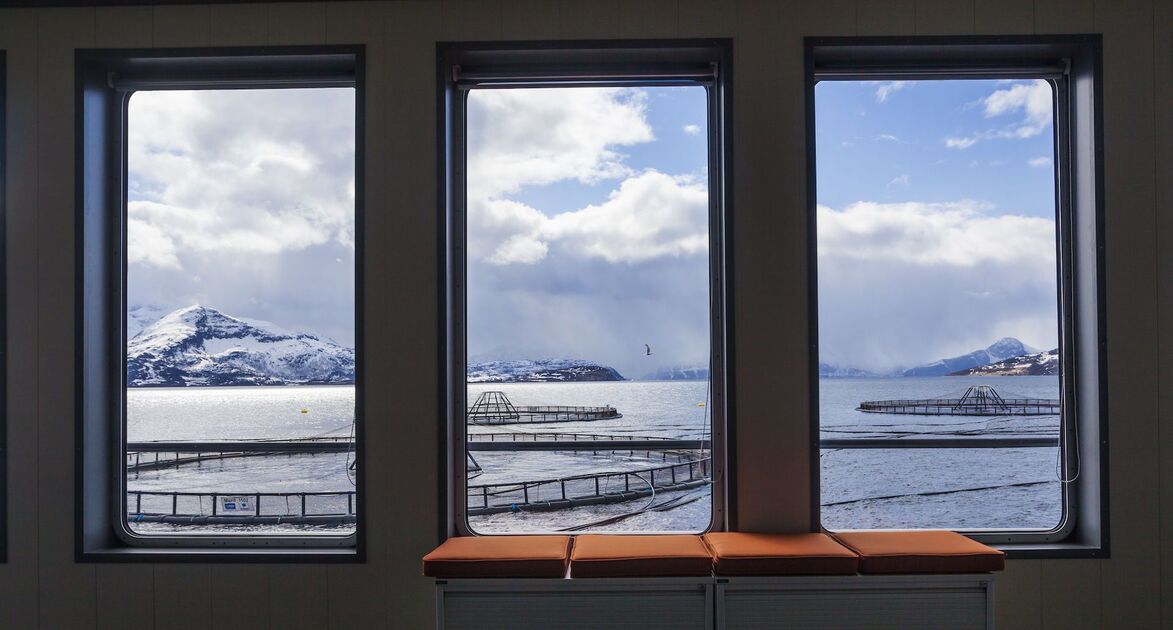
A visitor center providing insights into the local fish farming industry and aquaculture.
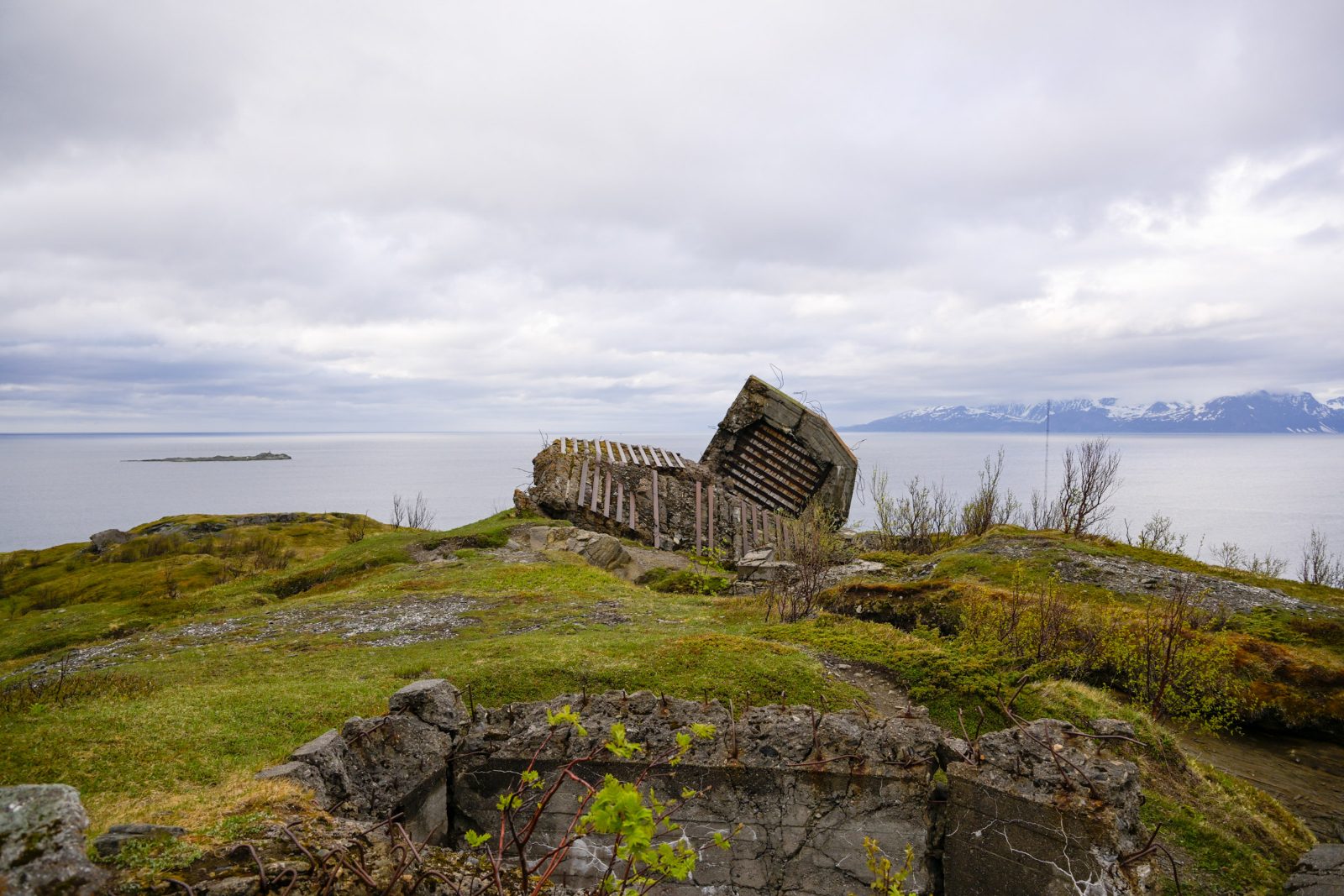
A scenic overlook offering views of the open ocean and historical remains of a World War II coastal fort.
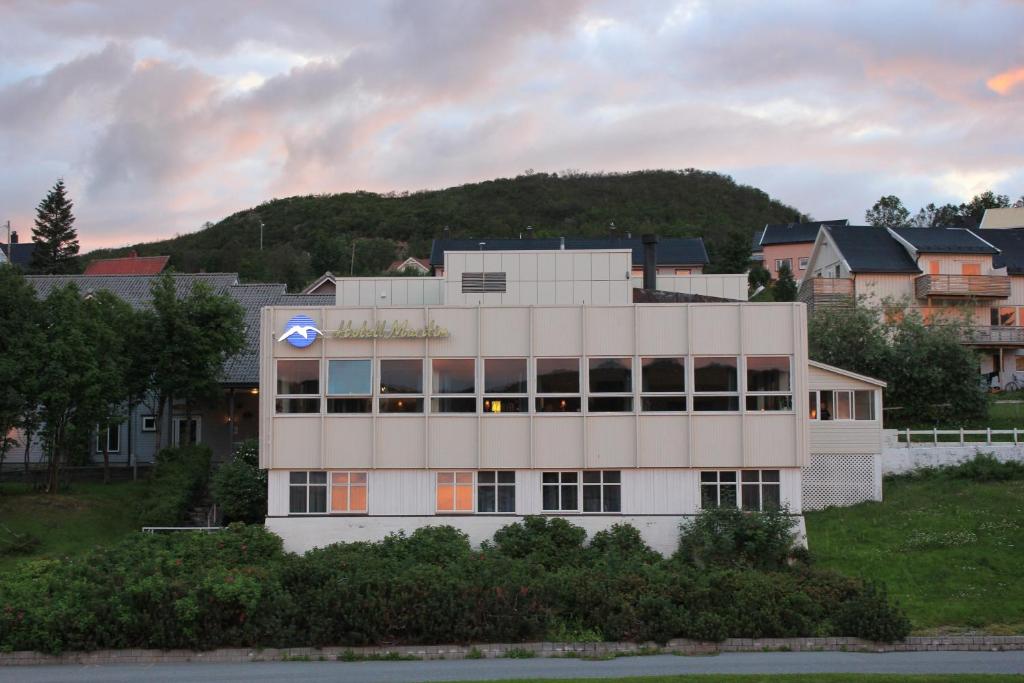
This hotel features comfortable rooms and an on-site restaurant located right near the pier.
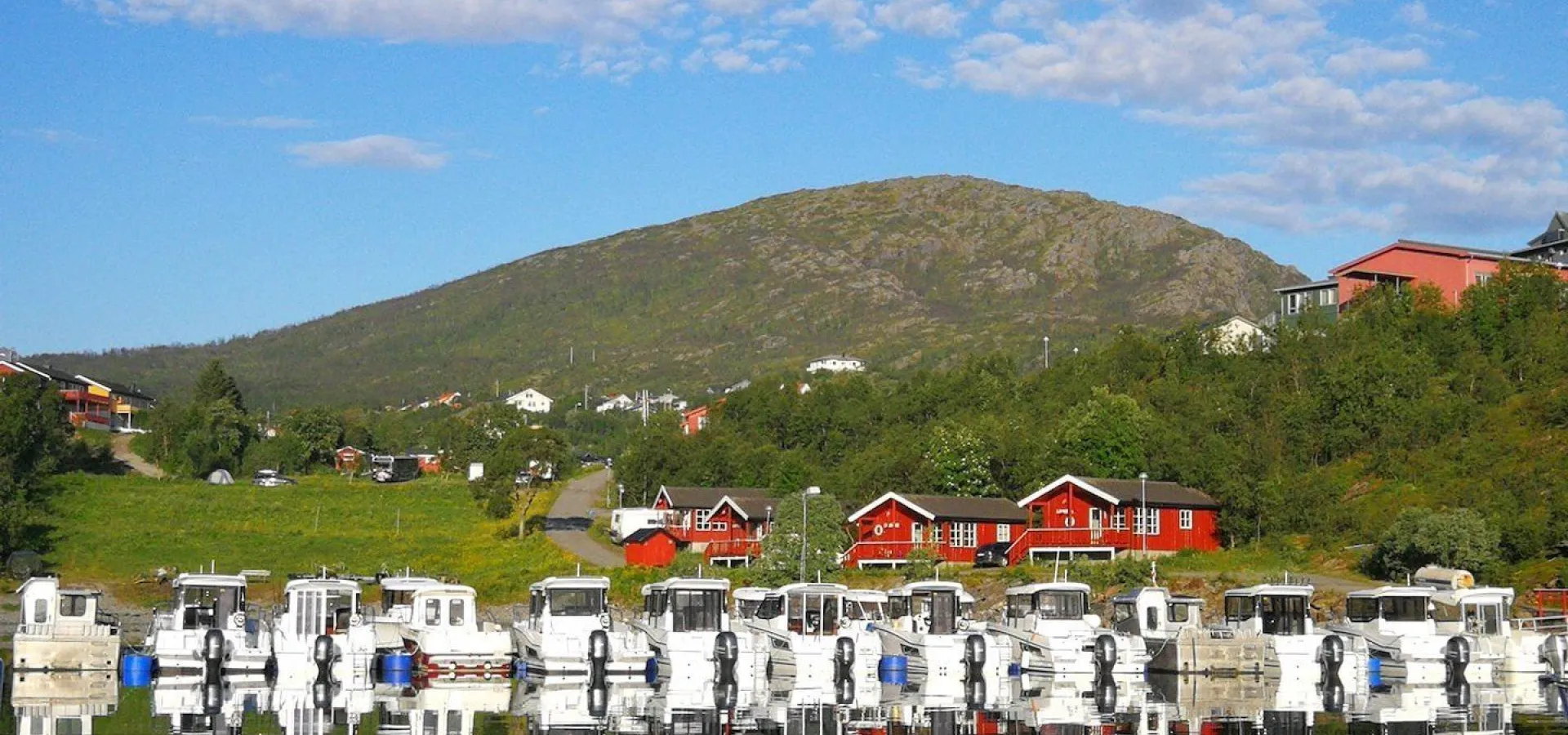
These waterfront cabins offer self-catering facilities and are popular among fishing groups and winter travelers.
This lodge offers premium rooms and views of the surrounding mountains, providing easy access for those booking Skjervøy whale watching.
Join thousands of happy travelers who have discovered this incredible experience
Book Your Experience Now