12 hr
Skjervøy Arctic RIB Whale Watching Adventure from Tromsø
- Expert local guide
- Small group
- Skip-the-line access
- Free cancellation
Skjervøy Whale Watching — Orca & Humpback Safaris from Tromsø
Silent hybrid cruisers trace the herring, orca fins break the Arctic dark.
Compare fares, pick the fit — all bookings are mobile-voucher and eligible for free cancellation where shown.
12 hr
9 hr
8 hr
Booking your official skjervoy whale tours experience requires choosing a seasonal trip that matches the migrating wildlife. Purchasing your skjervoy whale tours tickets online secures one of the twelve seats on the RIB.
|
Top pick Winter Whale Safari 3.5-hour RIB boat safari |
Whales & Dolphins Cruise 2.5-hour summer boat tour | Puffins & Seabirds Cruise 1.5-hour scenic wildlife tour | |
|---|---|---|---|
| Price | 1,890 NOK | 1,290 NOK | 850 NOK |
| Harbor Entrance | 0 NOK (Free entry) | 0 NOK (Free entry) | 0 NOK (Free entry) |
| Best Arrival Window | 09:00–09:30 | 09:00–09:30 | 09:00–09:30 |
| Season | October to February | April to September | April to September |
| Target Wildlife | Orcas and humpbacks | Dolphins and whales | Puffins and seabirds |
| Safety Gear | Included thermal suit | Included thermal suit | Included thermal suit |
| Best For | Peak winter sightings | Summer travelers | Families and birders |
| See tickets & prices |
Verdict: We recommend arriving between 09:00–09:30 to gear up before boarding. For winter visitors, selecting the winter safari skjervoy whale tours tour is the best way to see migrating orcas. Make sure to bring warm clothing under your provided thermal suit. Otherwise, choose a summer cruise which is the most popular option among all skjervoy whale tours tours.
Worth the premium for wildlife-focused visitors
On paper, skjervoy whale tours look pricey, but the value math holds up once you factor in what the winter herring migration delivers. Dense schools of herring pull orcas and humpbacks into these fjords in real numbers, so sighting rates through the peak season sit closer to near-guaranteed than hopeful. Your fare also covers the specialized thermal suits and flotation gear that make hours on an open Arctic RIB or fast catamaran bearable, kit that would cost a fortune to source on your own. Weigh that against a generic wildlife outing where you might see nothing and still pay to stay warm. For photographers, first-timers, and anyone set on watching killer whales up close, a Skjervøy orca safari earns its price. Casual sightseers who only want a short fjord cruise may find the outlay steep. Pick the operator whose boat and departure point suit your stomach and your budget.
Bottom line: For a real shot at wild orcas up close, a skjervoy whale tours tour is worth the premium.
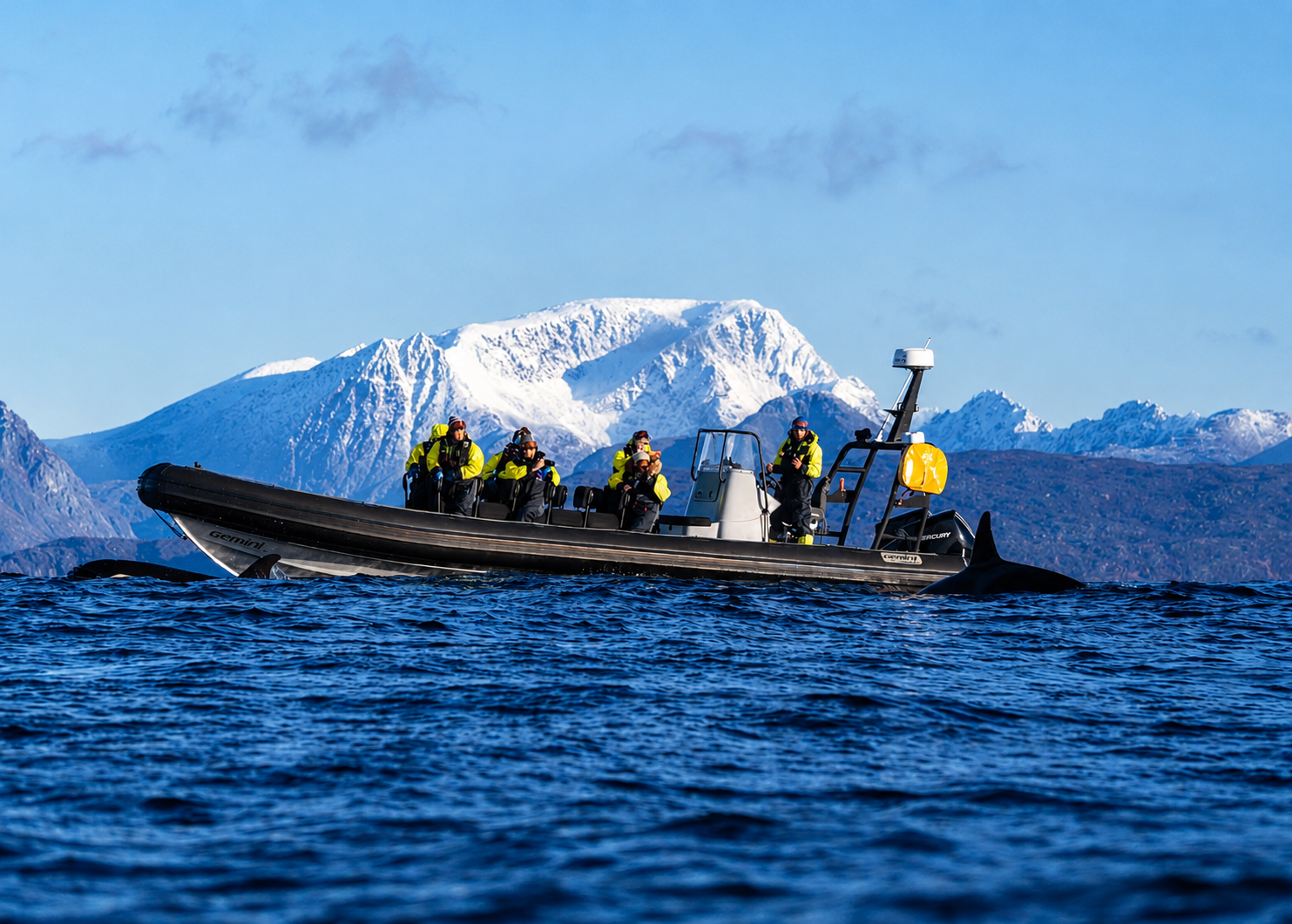
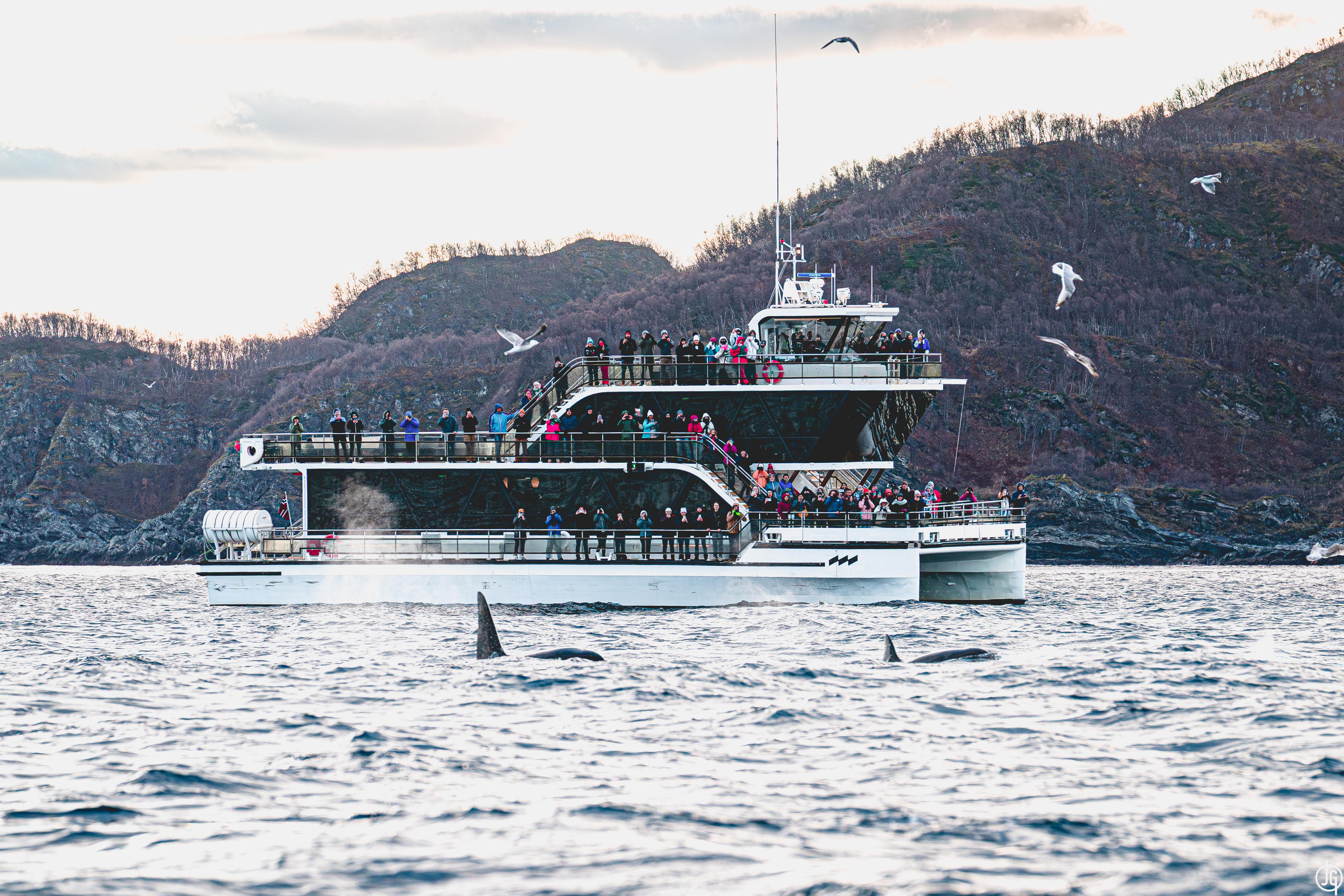
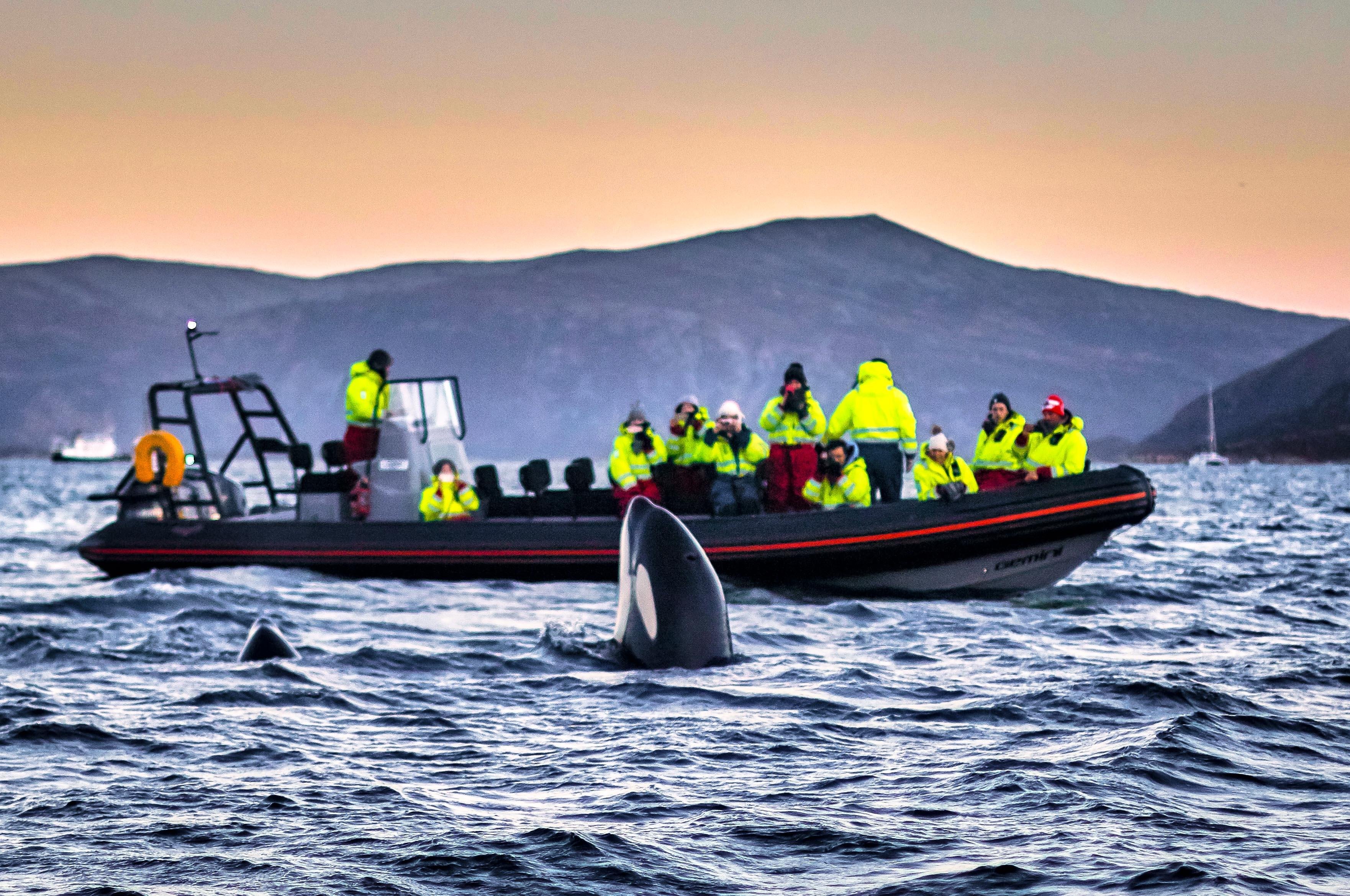
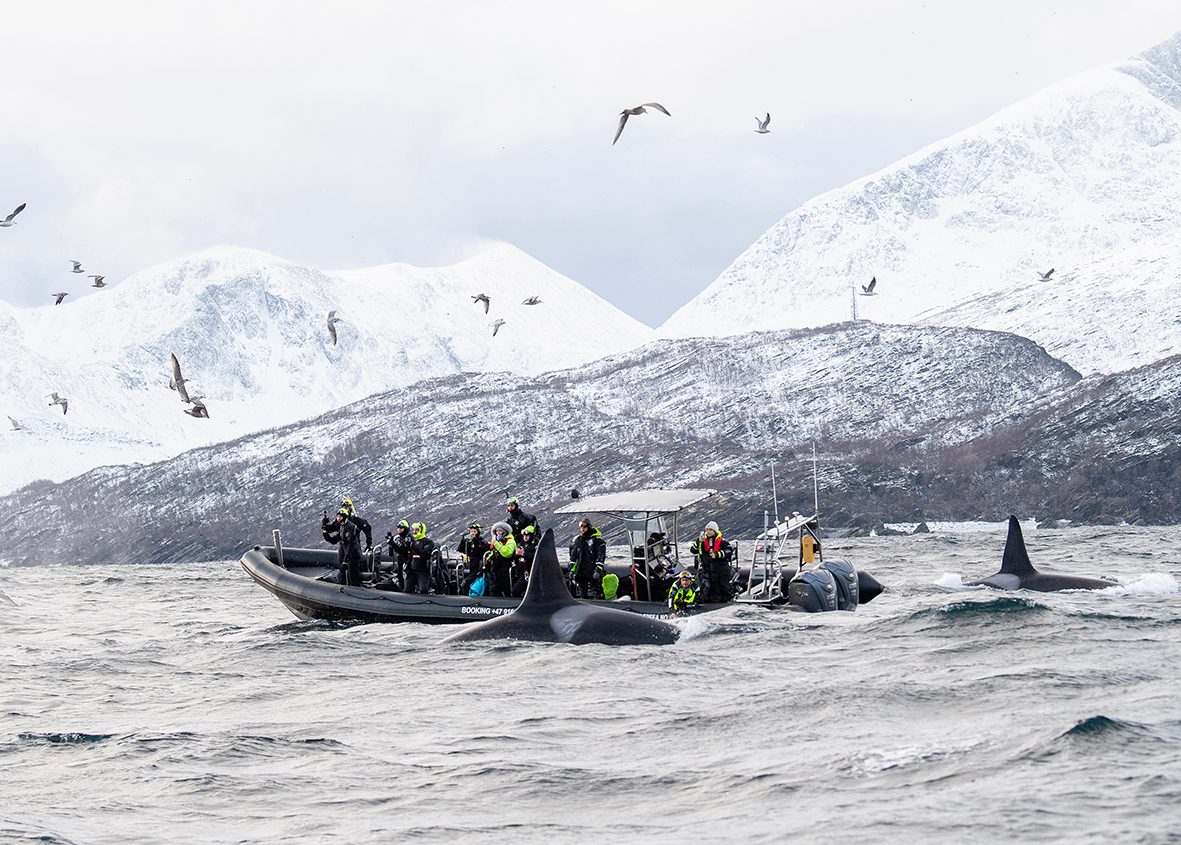
They complement each other; most visitors who do both call the RIB boat safari the more thrilling Skjervøy whale watching tour. Booking your skjervoy whale tours tickets for an open RIB brings you closer to the water level where orcas and humpback whales feed. This setup allows the captain to maneuver quickly when whales change direction. This active option exposes you directly to the elements, meaning you must wear a heavy thermal flotation suit, thick mittens, and goggles. Despite the cold wind, the speed and low-profile view offer a clear vantage point for photography. Meanwhile, those who prefer comfort often book catamaran-based skjervoy whale tours tours to stay warm. These large multi-level vessels feature heated indoor lounges, large panoramic windows, restrooms, and on-board cafes where you can buy warm drinks.
|
Top pick RIB Safari |
Large Catamaran | |
|---|---|---|
| Group Size | Max 12 passengers | Up to 150+ passengers |
| Fjord Access & Proximity | Water-level views, highly agile | Elevated deck, lower agility |
| Warmth & Comfort | Exposed deck, thermal suit provided | Heated cabin, restrooms, cafe |
| Travel Duration from Tromsø | 4 hours each way (bus) | 3–3.5 hours each way (boat) |
| Seasickness Risk | Low (bouncier but less rolling) | Moderate (prone to slow sways) |
| Suitability for Children | Ages 6+ and 120 cm min | All ages (indoors and warm) |
| See tickets & prices |
Verdict: Ultimately, choosing a skjervoy whale tours tour on a fast, open RIB is the best match for active adventurers who do not mind the freezing wind in exchange for close-up photos, whereas travelers who prioritize warmth, onboard restrooms, and stability should opt for a heated catamaran.
Hand-picked experiences loved by thousands of travelers
8 hours
Free Cancellation
Join a local family crew for an uncrowded Arctic cruise to spot orcas and humpbacks in their natural habitat.
12 hours
Free Cancellation
Embark on an epic 12-hour polar safari to spot majestic humpbacks and orcas feeding in Norway's northern fjords.
12 hours
Free Cancellation
Search for majestic orcas and humpback whales on a thrilling high-speed RIB boat tour through Arctic fjords.
12 hours
Free Cancellation
Seek out majestic orcas and humpback whales from the comfort of a heated, covered boat in the Arctic.
4 - 12 hours
Free Cancellation
Embark on an exhilarating open RIB boat safari through Northern Norway's fjords to search for majestic whales.
4 hours
Free Cancellation
Seek out magnificent orcas and humpback whales in comfort on a 4-hour fjord cruise from Skjervøy.
3 hours
Free Cancellation
Speed across Arctic waters on a RIB boat from Skjervøy to search for orcas, humpbacks, and fin whales in their natural environment.
1 day
Free Cancellation
Embark on an overnight Arctic voyage combining marine life spotting, Northern Lights hunting, and a scenic fjord cruise.
It accommodates up to a dozen specialized vessels daily during the peak migration season.
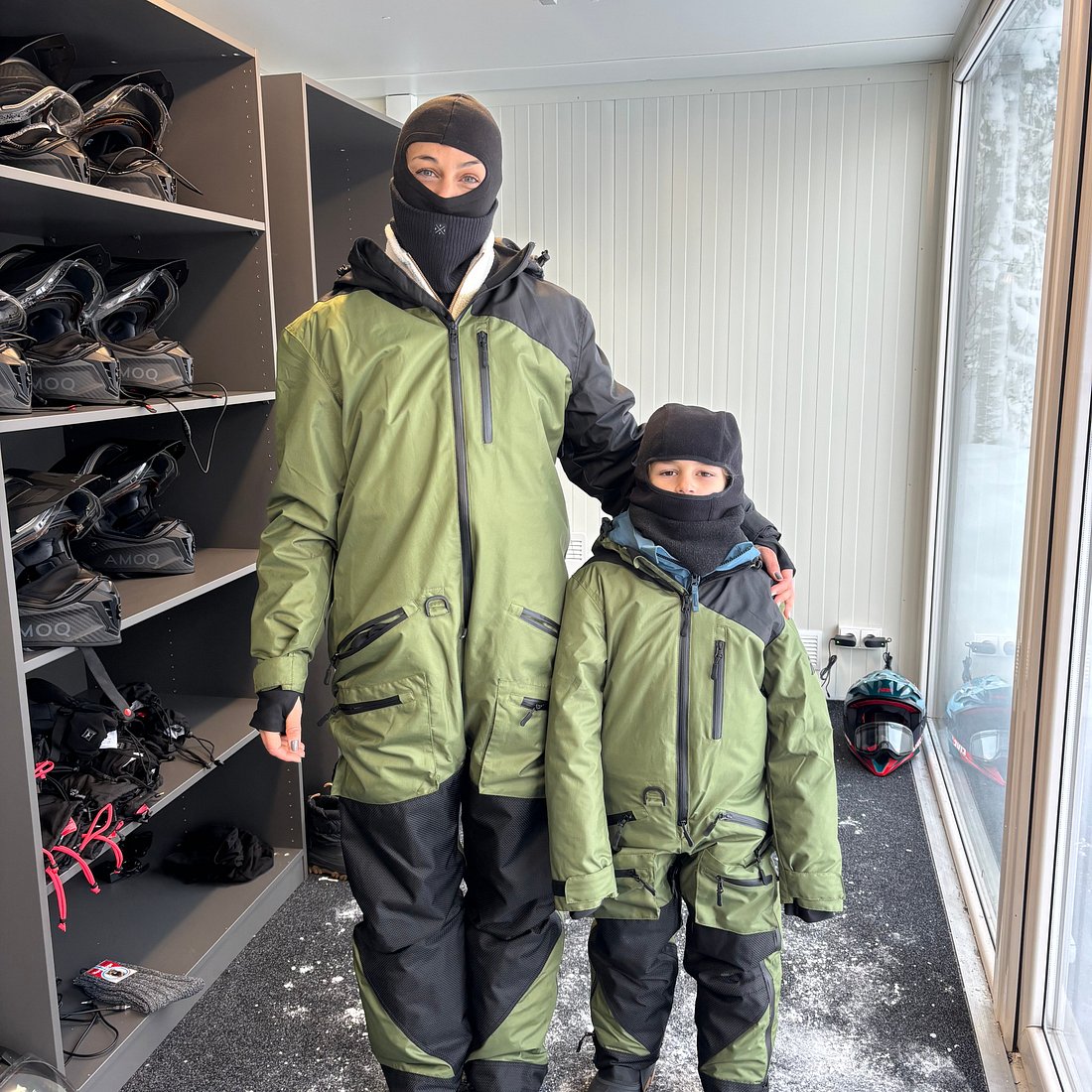
This specialized preparation facility is where visitors are fitted with heavy-duty Arctic flotation suits designed to withstand temperatures down to -50°C. The room stores over 100 suits, safety boots, and pairs of windproof goggles to ensure guest comfort.
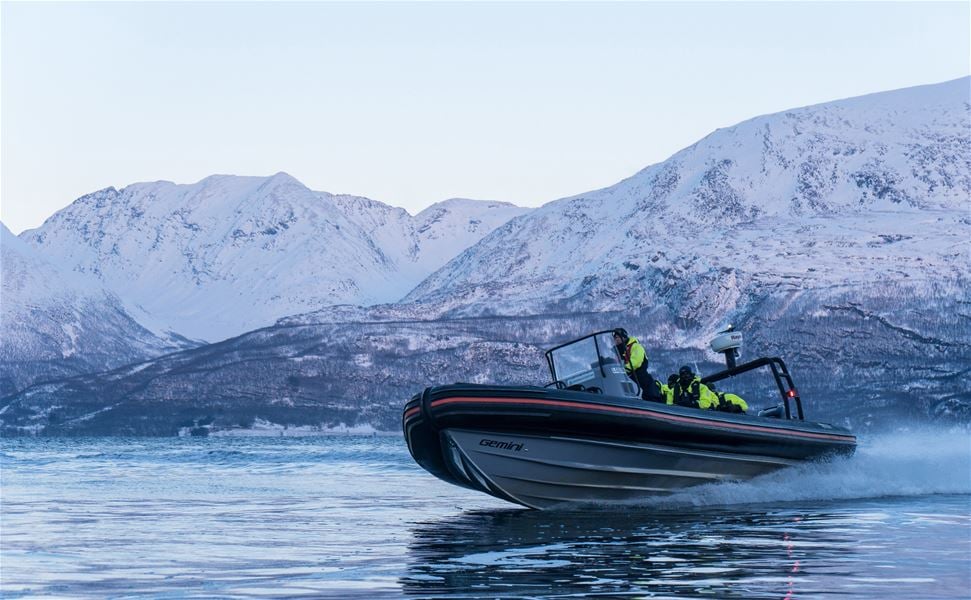
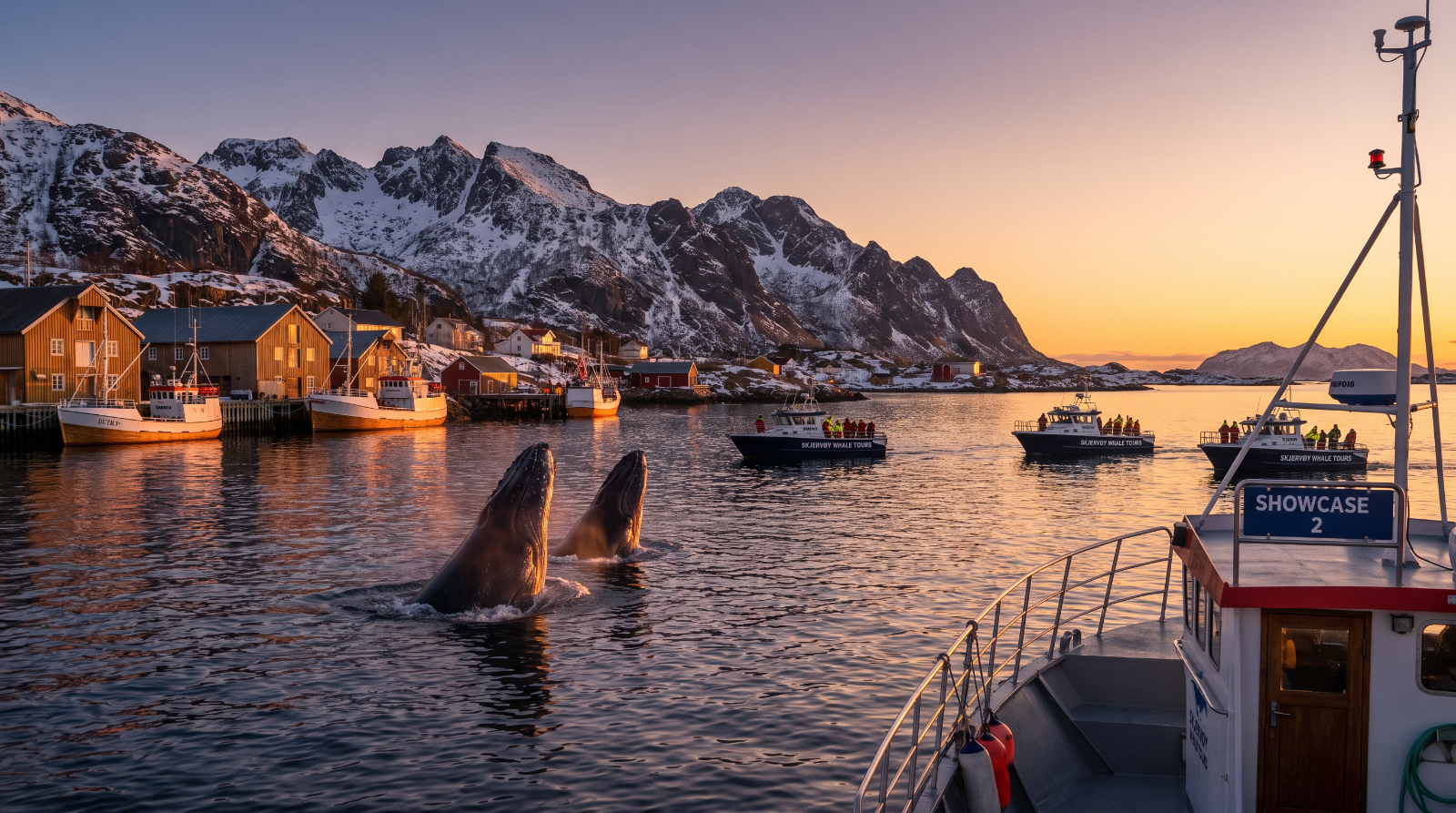
These high-powered, 34-foot rigid inflatable boats are designed to navigate the choppy Arctic waters with up to 12 passengers. Equipped with twin 300-horsepower engines, they allow quick travel to remote whale feeding areas.
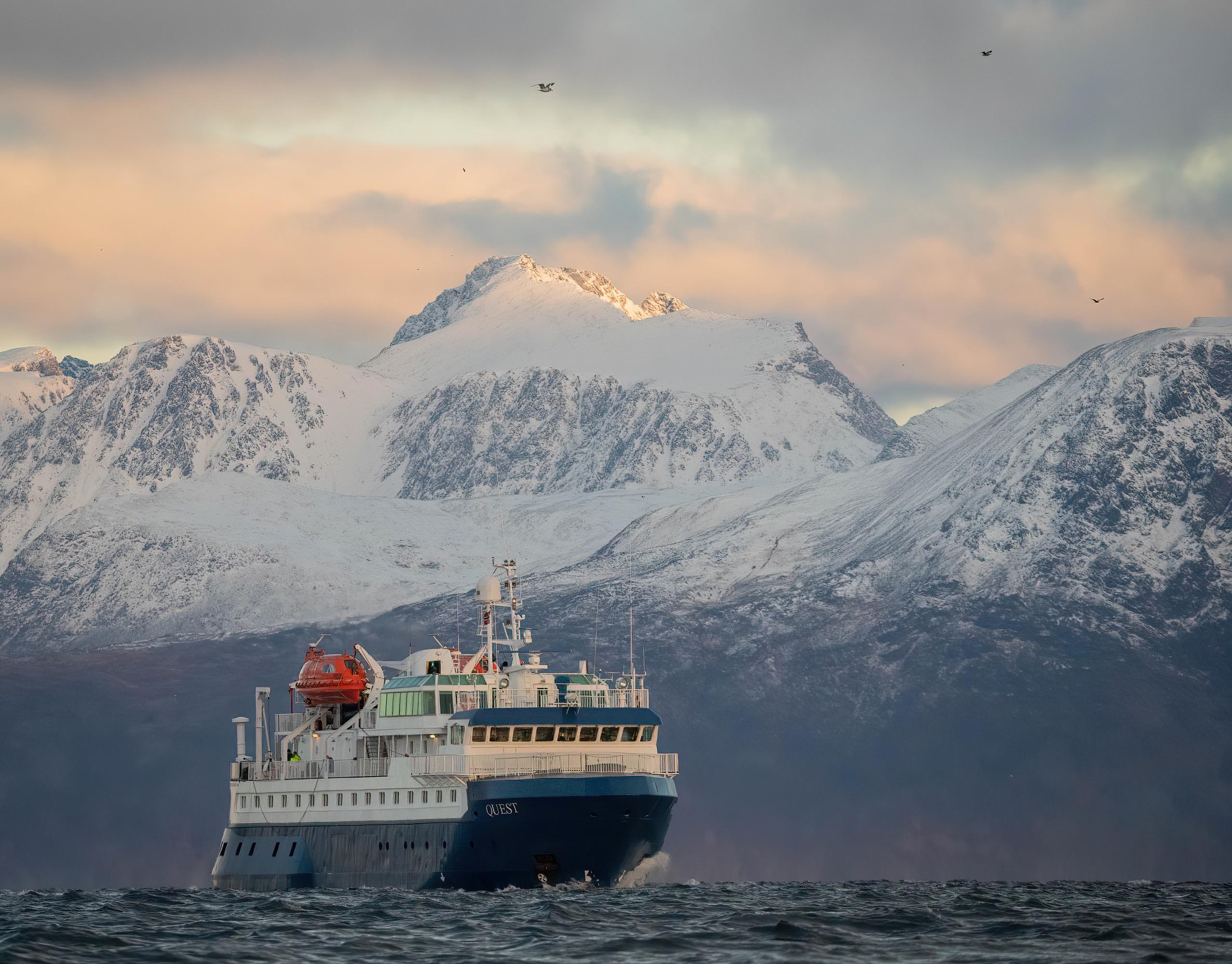
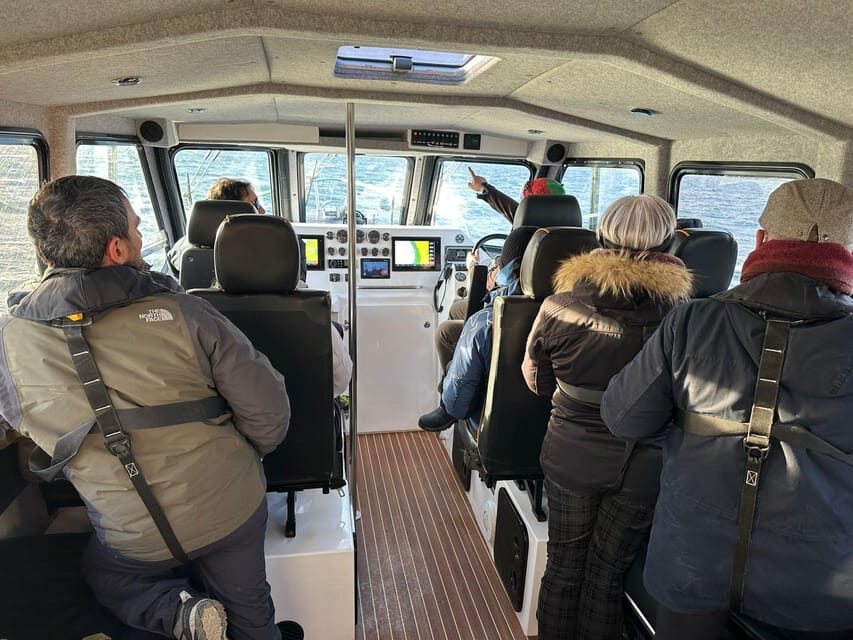
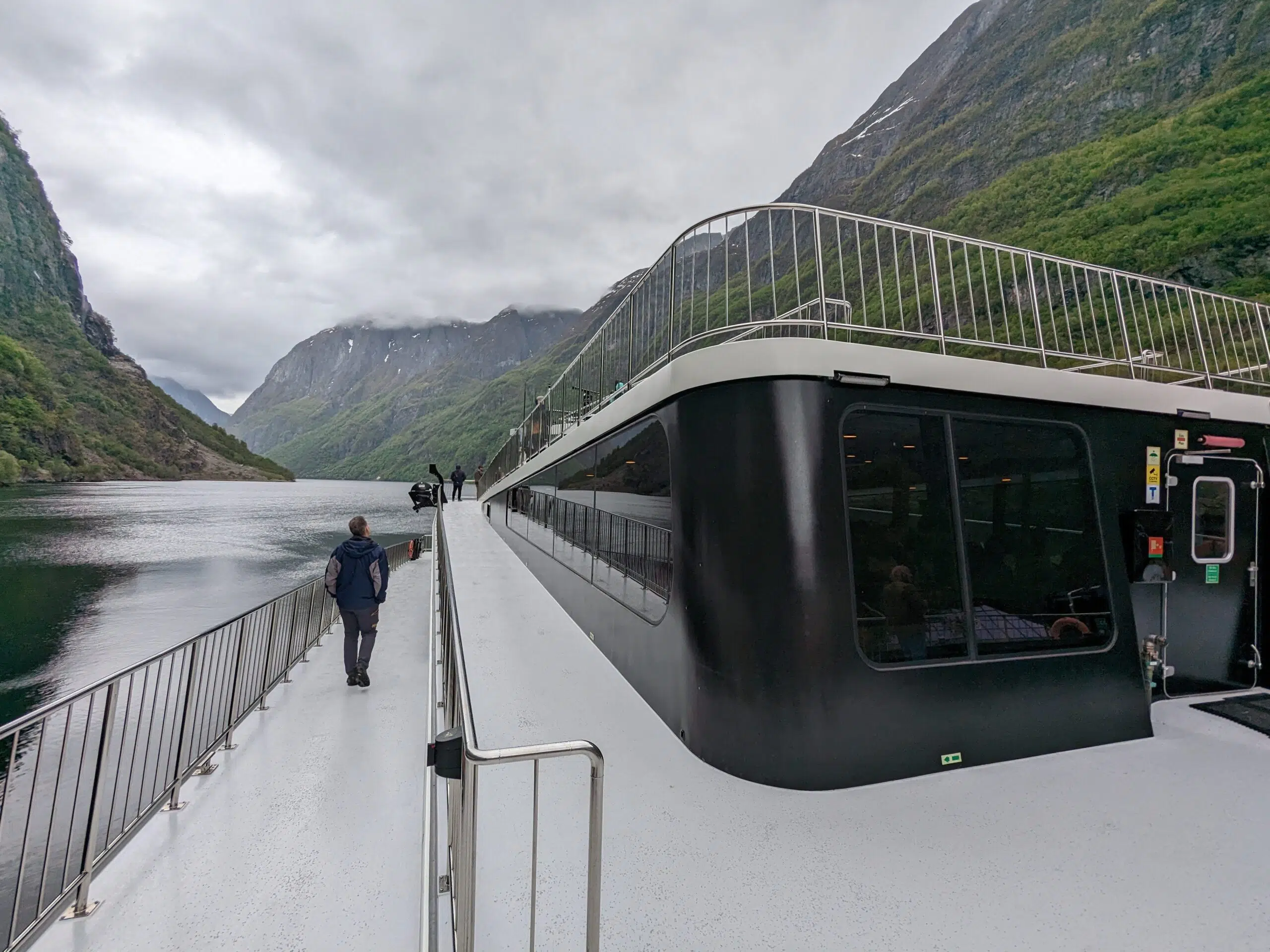
For visitors seeking a warmer experience, this vessel features a panoramic glass lounge and a heated indoor cabin. It offers a stable platform for up to 30 guests to photograph marine life without facing the wind chill.
The open top deck of the safari vessels provides a 360-degree viewing angle for spotting breaches. From this vantage point, guides help guests look for telltale blows of humpback whales, which can reach heights of 3 meters.
All the details about your upcoming adventure in one place
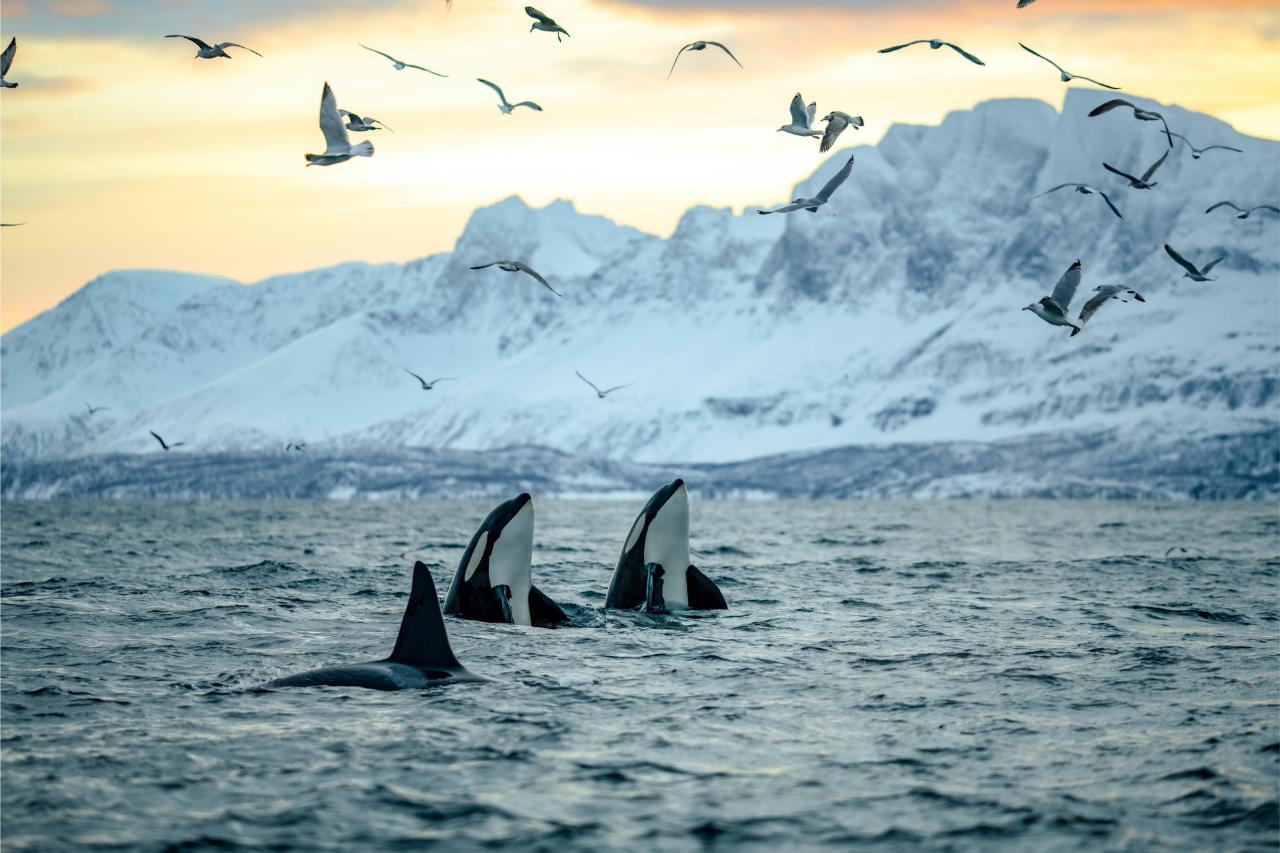
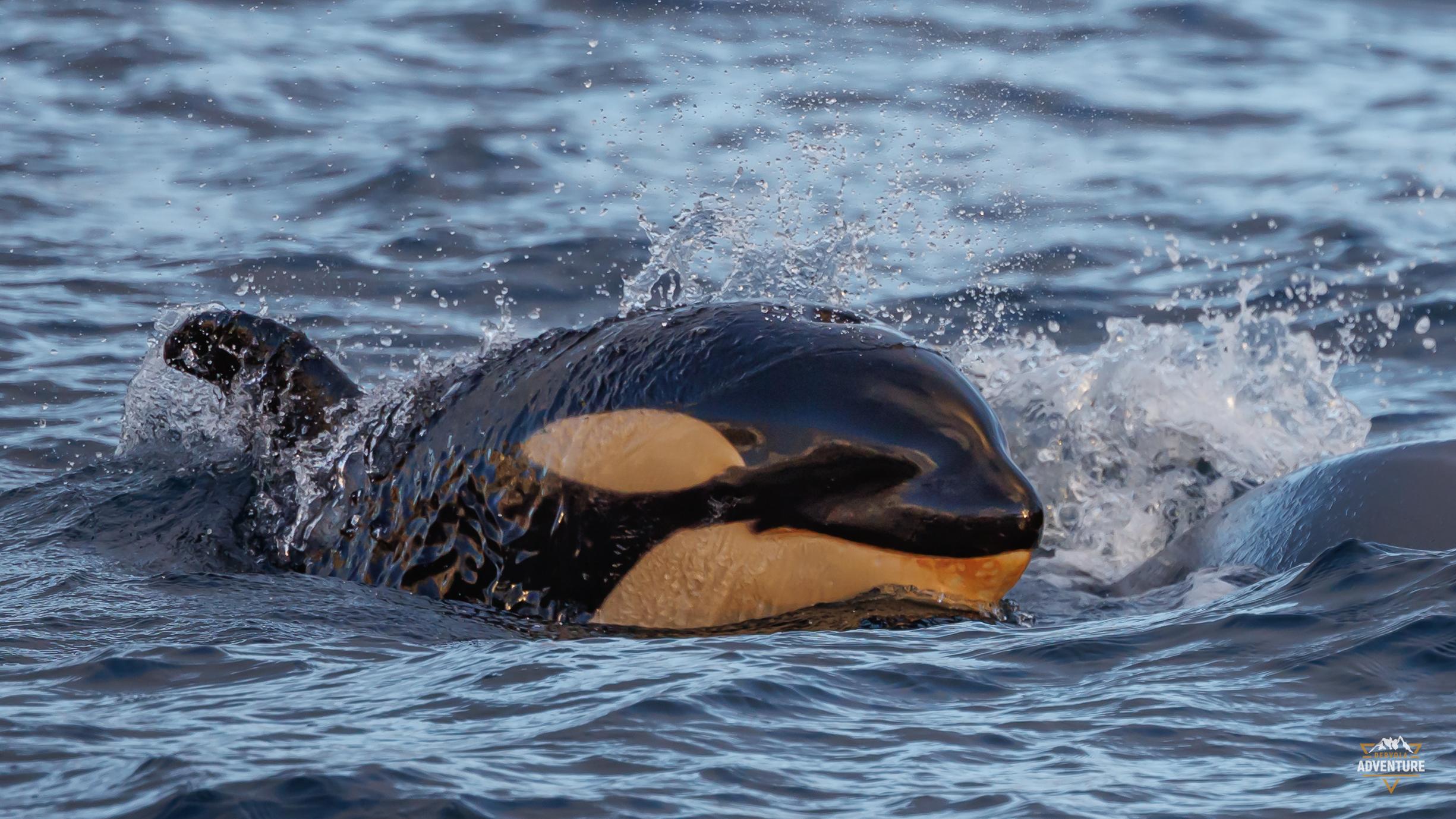
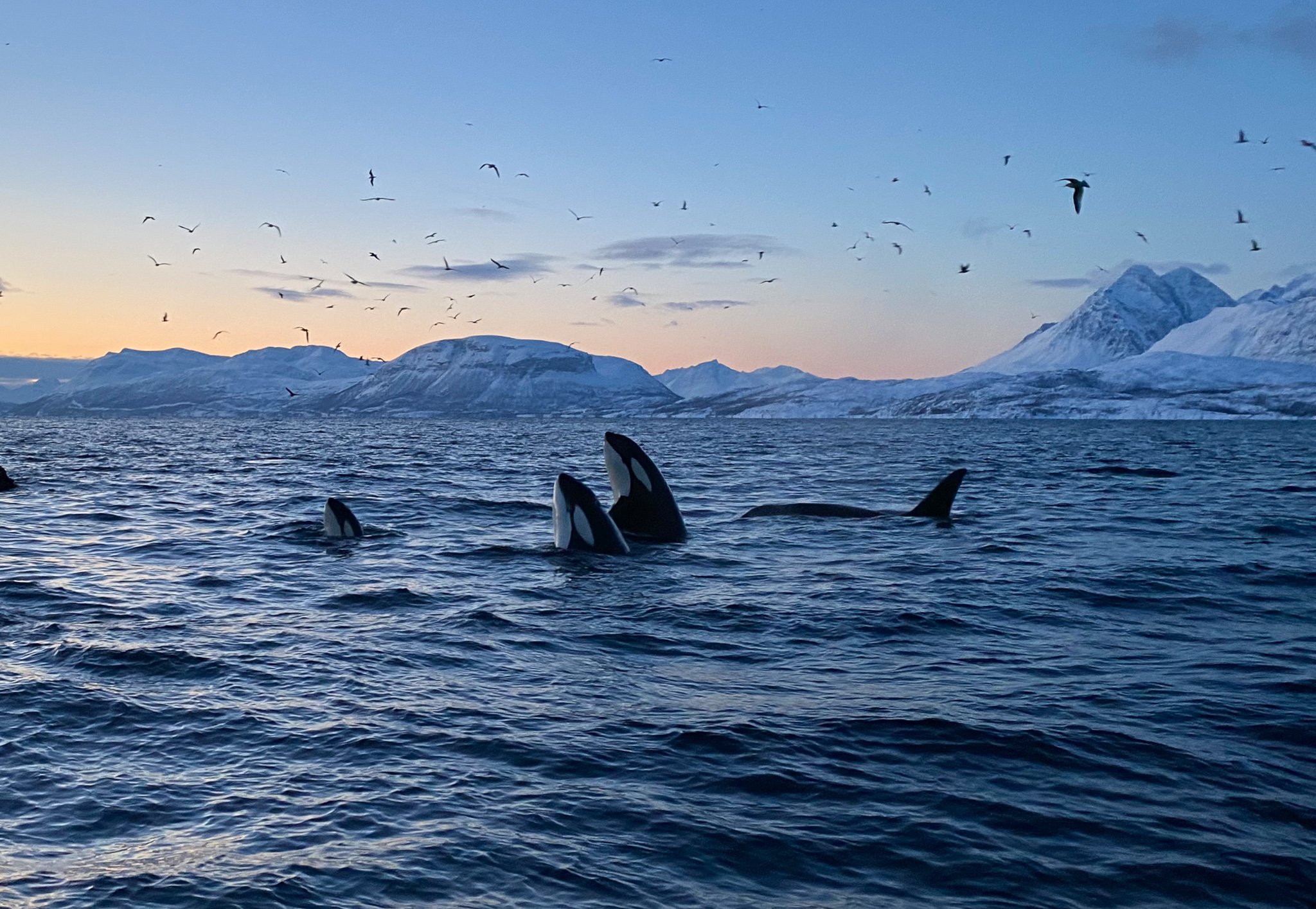
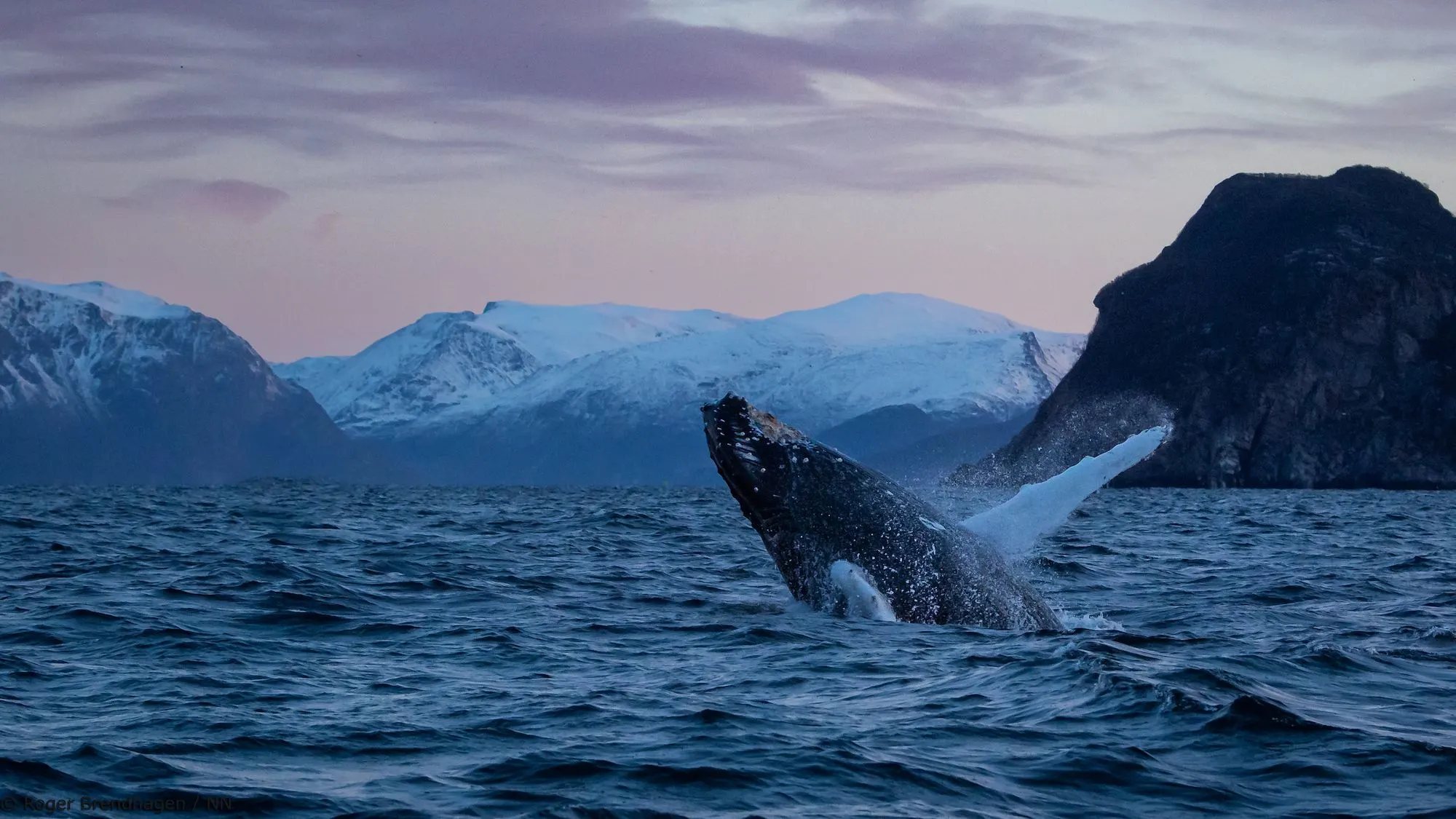
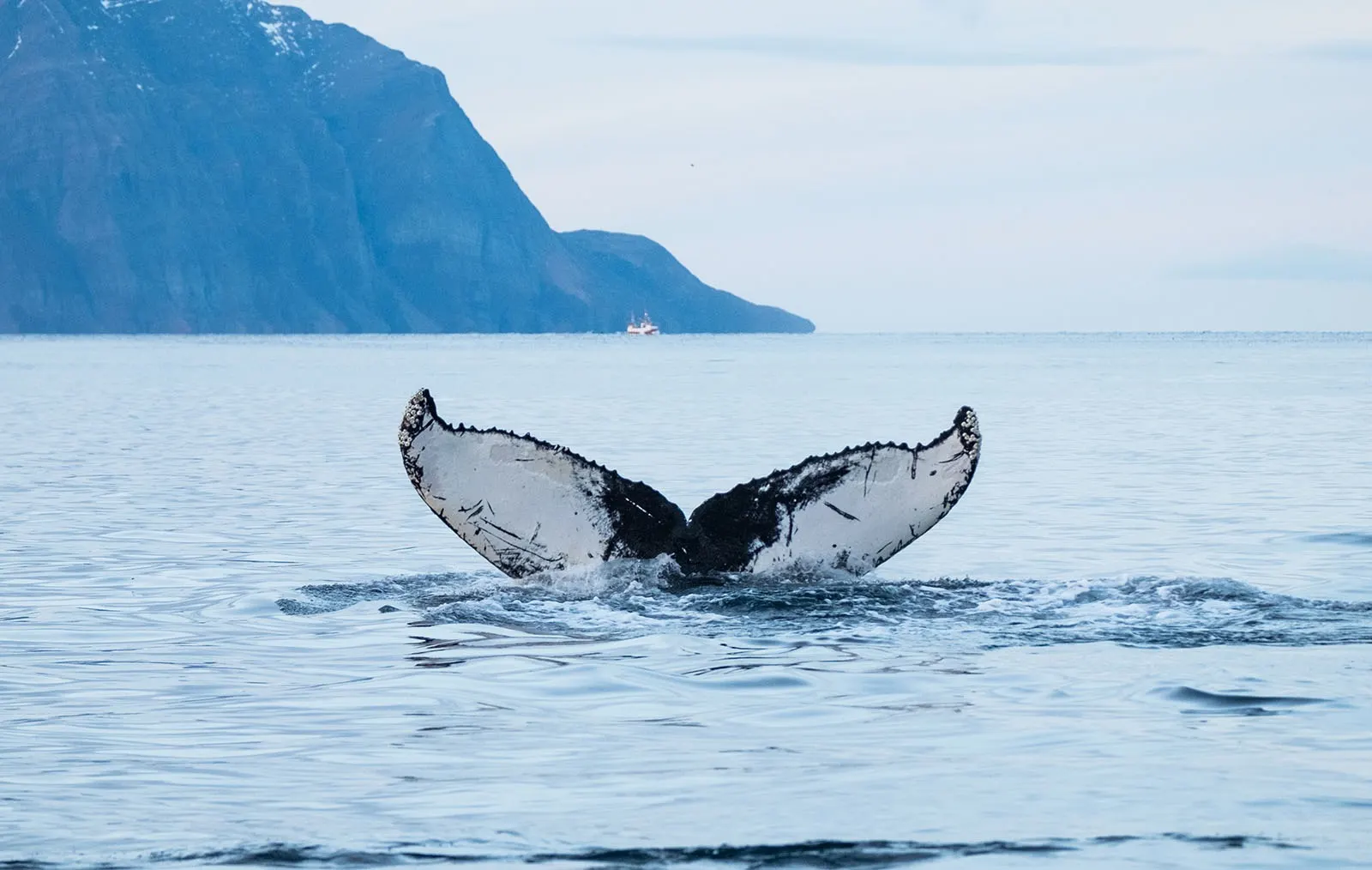
Each winter, vast shoals of Norwegian spring-spawning herring funnel into the fjords around Skjervøy, and the orca and humpback whales follow them in numbers rarely matched in Europe. The herring gather in the millions, and where they mass the surface can churn with feeding activity for hours.
That annual convergence, roughly ninety minutes by sea north of Tromsø, is the entire reason Skjervoy Whale Tours exist.
Skjervøy has been a fishing and trading post for three centuries, its wooden church consecrated in 1728 and its quays once used to provision polar expeditions. That heritage is a footnote now; the modern pull is ecological. A skjervoy whale tours tour here follows a long tradition of reading cold water for life, and a Skjervøy whale watching trip turns that instinct into spectacle. The result is one of the most reliable large-cetacean gatherings on the planet, drawing marine biologists and photographers alongside curious visitors.
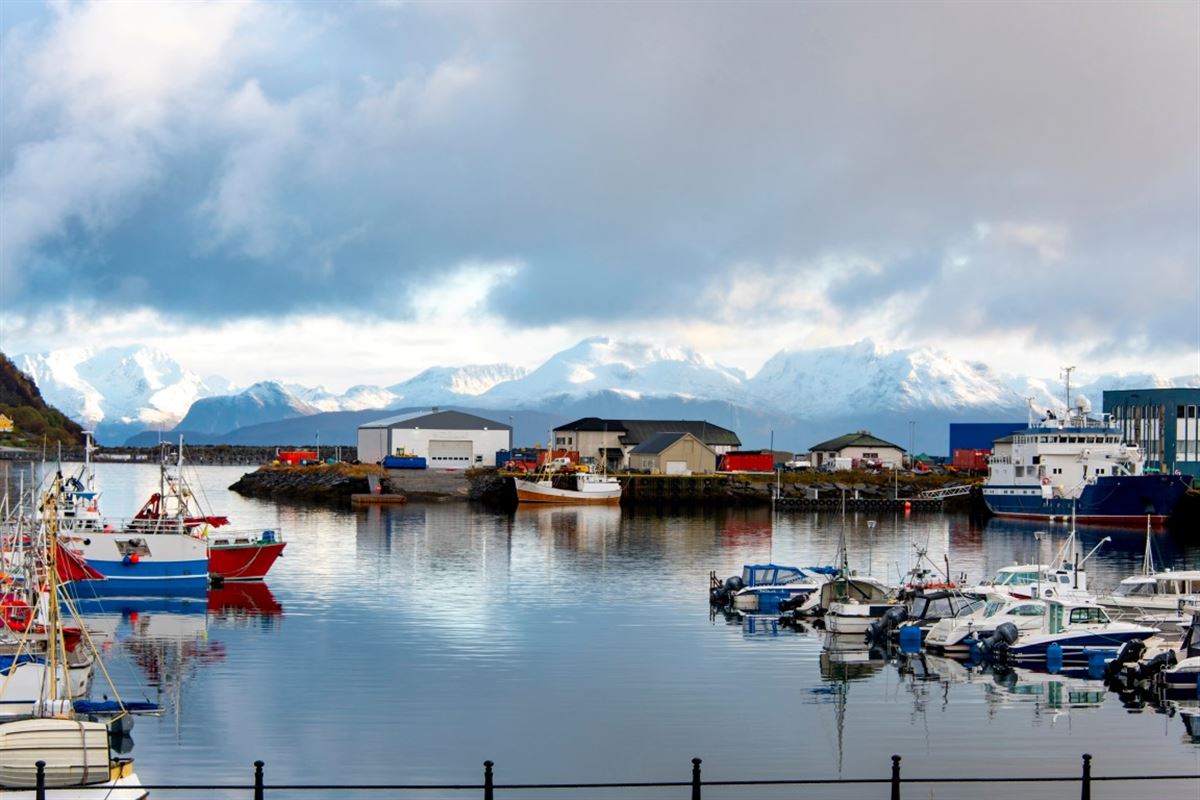
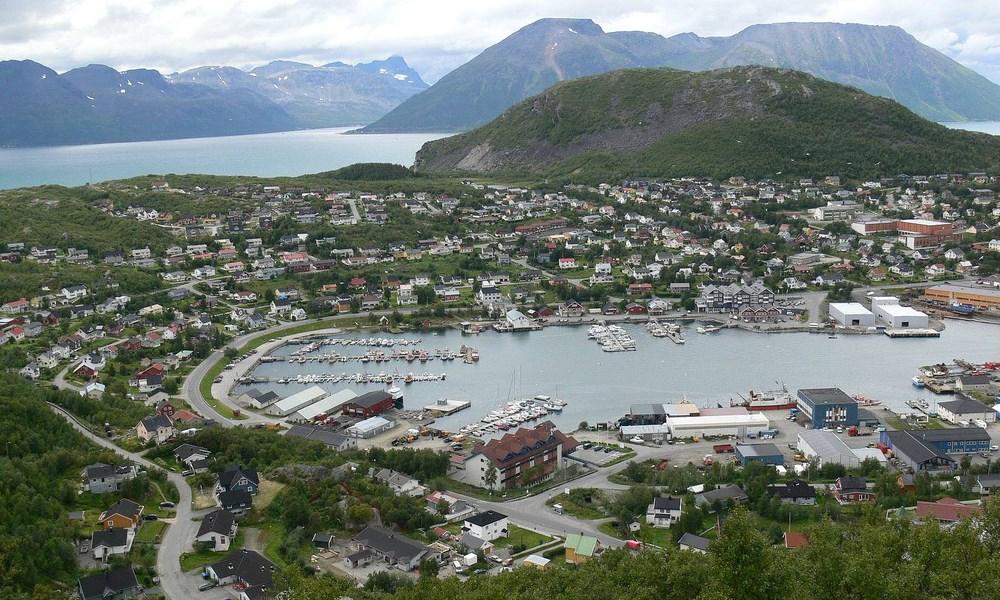
The setting shapes the character of every outing. Skjervøy anchors an archipelago at the mouth of the Lyngen fjord system, its horizon serrated by glaciated peaks that rise straight from the sea. Distances here are measured in open crossings rather than roads, and weather can rewrite a morning without warning. Vessels depart from a working harbour rather than a polished terminal, lending the whole affair a plain, functional edge. The best skjervoy whale tours tours read the surface for blows and dark dorsal fins, then hold a respectful distance as the pod moves through the fjord.
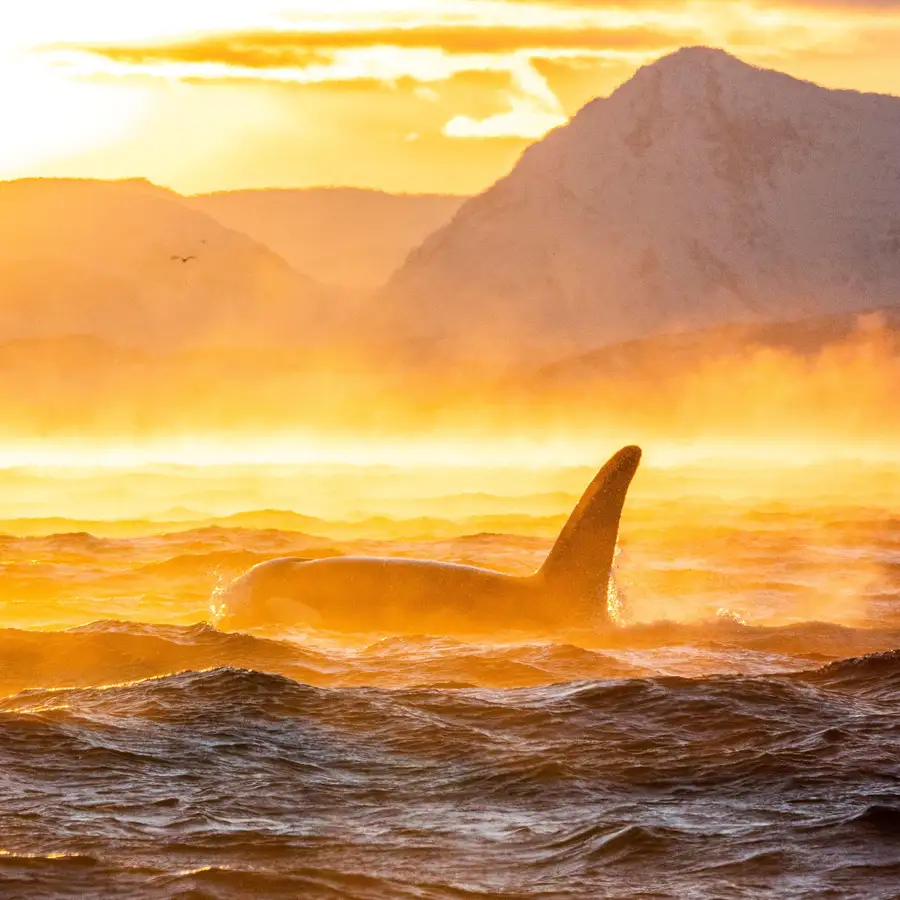
Light governs the season. In deep winter the sun barely clears the ridgeline, staining the fjords in long blue twilight, while by late summer the same channels lie under near-constant Arctic daylight. Photographers prize the low, raking light that skims the swells and catches a rising blow against dark cliffs. The whales remain wild and unscheduled, tracking the fish rather than any timetable, which is why encounters run strong yet stay unpromised. For travellers, the appeal of Skjervoy Whale Tours rests in that rawness — a genuine Arctic whale safari watched from a small hull, framed by snow-lined peaks instead of railings and queues.

The whales remain wild and unscheduled, tracking the fish rather than any timetable.
Tours canceled up to 24 hours in advance receive a full refund, while late cancellations or no-shows are non-refundable. Note that there is a 0 NOK entrance fee to the harbor area itself, meaning you only pay for the specific Skjervøy Whale Tours tickets booked.
Weather · crowds · average price — dots go green to amber to red as each metric rises.
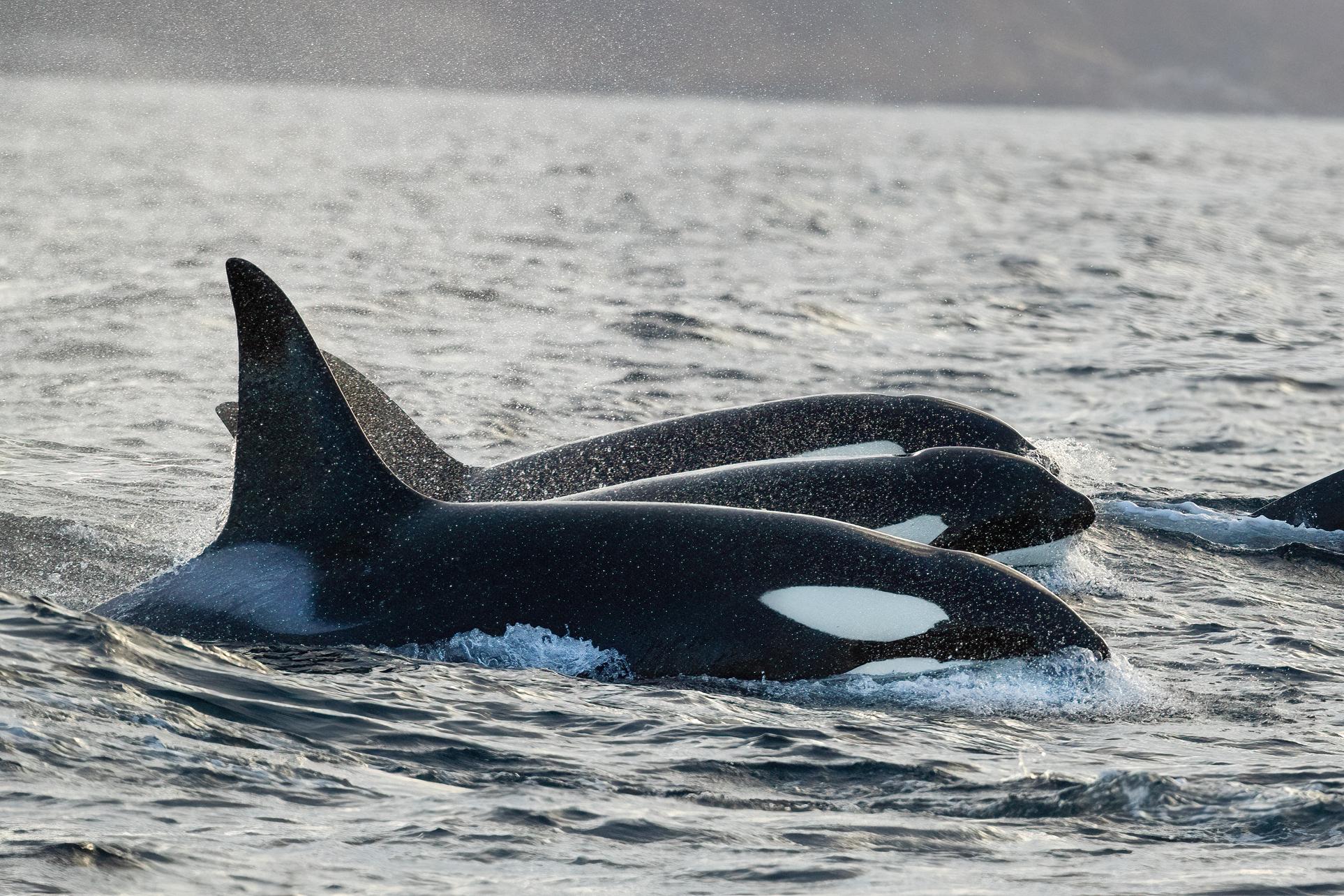
This is the prime season for whale watching in Skjervøy, as massive herring schools migrate into the fjords, attracting hundreds of feeding orcas and humpback whales in sub-zero winter temperatures.
Although the main whale migration ends by early February, you can still catch late-departing whales alongside beautiful snow-covered landscapes, arctic seabirds, and clearer spring days.
During these months, you can experience the midnight sun on fjord safaris, view puffin colonies, and enjoy hiking under constant daylight, though large whales are absent.
The region begins to transition into winter, bringing early northern lights sightings and the arrival of the first whale pods tracking the incoming herring toward the end of October.
Even with the provided flotation suits, the wind chill on an open boat can feel sub-zero. Wear high-quality thermal base layers and heavy wool socks to stay warm during any Skjervøy Whale Tours outing.
Saltwater spray can easily damage camera equipment. Bring a waterproof dry bag and keep a clean microfiber cloth handy in a pocket to wipe down lenses.
Boat capacities are strictly capped at 12 passengers per vessel to ensure safety and comfort. Secure your slots online early, especially if traveling during the peak November-to-January period.
The open waters outside the fjords can get choppy. If you are prone to motion sickness, take preventative medication at least one hour before the boat departs.
Keep your mobile phone zipped inside your inner suit pocket when not in use. Cold temperatures drain phone batteries rapidly, and using a phone lanyard prevents accidental drops.
Tour captains strictly follow local animal welfare guidelines. Do not expect boats to crowd the whales, as keeping a respectful distance ensures natural behavior and safety for everyone.
The town of Skjervøy, chartered as a municipality in 1863, knew whales only as passing shadows in the far channels. That changed in the winter of 2017, when the migratory herring that had wintered in the Tromsø fjords shifted their route sharply north. The fish followed the current toward the Kvænangen fjord system near Skjervøy. Behind them came the predators. Orcas and humpback whales gathered in dense feeding pods each November through January, drawn by the silver mass. Local skippers, watching from harbor, recognized the opportunity. By the 2017–2018 season, the first skjervoy whale tours launched from this quay, converting cod vessels into observation boats almost overnight. The transformation carried risk. Early operators navigated dark polar-night waters with limited infrastructure, and the herring proved unpredictable, thinning some winters before returning. Yet the Kvænangen migration held. A guided Skjervøy whale safari now anchors the winter calendar here. Today the season runs from late autumn into the deep Arctic winter, timed to the herring and the aurora above. Visitors booking skjervoy whale tours tickets gather at the same quays that once handled salted catch. The concrete fact endures: this remains a live fishing harbor, free to enter, where the boats still smell of salt and diesel. The skjervoy whale tours tours departing today trace a route the herring drew in 2017, a migration that rewrote a remote port into an Arctic whale-watching hub.
Skjervøy is chartered as a municipality, its economy built on Arctic cod and herring fishing.
Wintering herring concentrate in the Tromsø fjords, drawing whales away from Skjervøy waters.
The herring migration shifts north into the Kvænangen fjord system near Skjervøy.
Local skippers convert fishing vessels and launch the first organized whale tours from the harbor.
The harbor remains a free, working fishing port and the region's principal whale-watching departure point.
Before the boats depart, photographers can capture the rigid inflatable boats lined up against the snowy backdrop of Kågen island. This area is easily accessible directly from the main harbor road.
This deep waterway is the primary arena for a Skjervøy whale watching tour during the winter season. Shoot from the vessel's deck to capture humpback and killer whales surfacing against the jagged Kvænangstindan mountains. Ensure your camera gear is protected from the ocean spray when securing these skjervoy whale tours tickets.
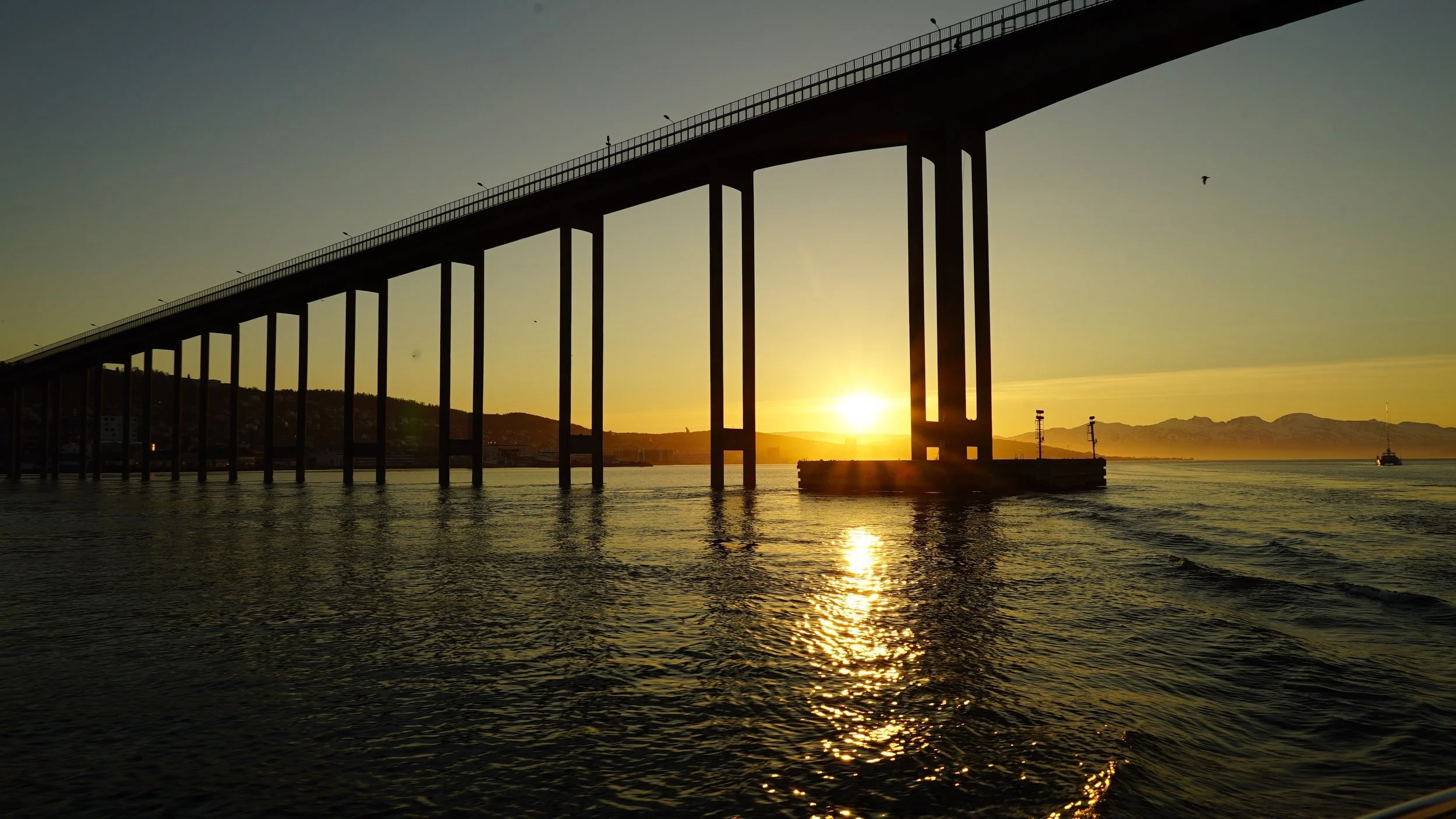
Spanning the Skattørsundet strait, this concrete structure offers an elevated perspective of the local waterways. Standing on the pedestrian pathway allows you to photograph each skjervoy whale tours tour as it departs the harbor. The angle captures the boats passing directly underneath with the open sea in the distance.
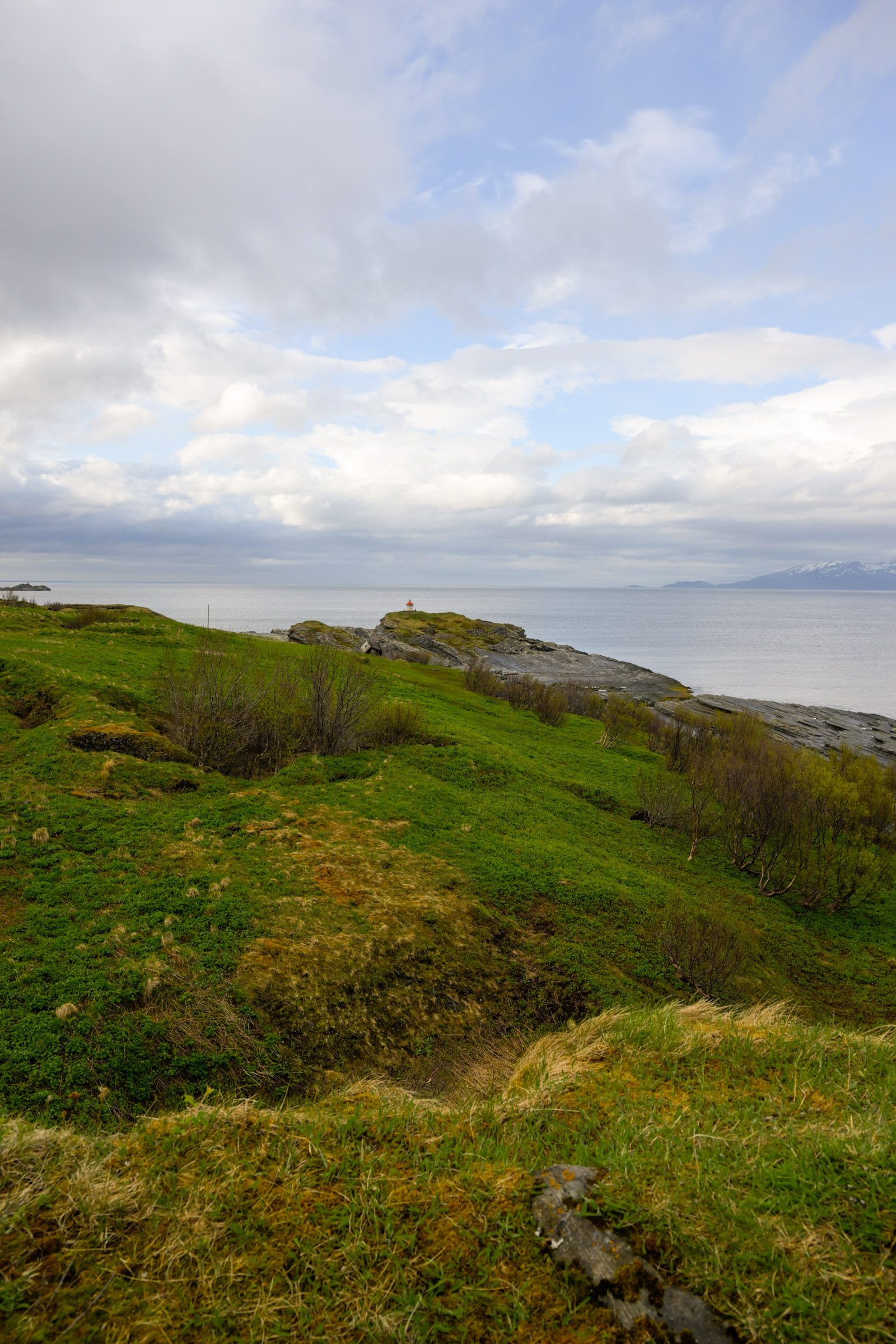
Located at the northern tip of the island, this headland overlooks the vast outer fjords where visitors on skjervoy whale tours look for wildlife. A gentle hike leads to the historic area where you can capture wide-angle shots of the dramatic coast. It is a fantastic spot to photograph passing vessels against the distant peaks of Laukøya.
Experiencing the fjord wilderness with family requires careful planning, as the open sea and biting temperatures present unique challenges for younger adventurers on skjervoy whale tours. Ensuring your kids are prepared for a fast-paced boat ride makes all the difference in their safety.
Local RIB operators at the harbor enforce a strict minimum age of 6 years and a height limit of 120 cm to ride a RIB boat safely. If you are booking a longer excursion rather than a direct local skjervoy whale tours tour, be aware that age limits often rise to 14 years due to the lengthy transit. Most companies will require parents to sign a safety waiver before departure.
The freezing wind on an open vessel feels significantly colder than on land, making thermal layers essential. While providers supply a windproof thermal flotation suit, goggles, and mittens, children must wear their own thick wool base layers and sturdy insulated winter boots to protect against the bitter Arctic air. Make sure to double-check your booking vouchers after purchasing your skjervoy whale tours tickets to confirm sizing availability.
Utilizing the recommended 09:00–09:30 arrival window is critical for families to get suited up without rushing before heading out into the choppy Arctic waters.
When planning your trip, researching the various skjervoy whale tours tours will help you choose between open speedboats or larger heated vessels. A closed cabin boat is highly recommended if you are traveling with younger children who might struggle with the intense wind chill on a Skjervøy ocean safari.
Finding a hot meal is easy after completing your skjervoy whale tours adventure in the local harbor. A classic Skjervøy whale watching safari works up a healthy appetite, and the small town has a few welcoming dining venues.
This central café offers home-baked cakes, fresh baguettes, and barista-style coffee. It is an ideal spot to stop for a quick lunch if you have finished your excursion and already validated your skjervoy whale tours tickets. The venue is most crowded around midday when locals gather for warm meals.
Located close to the main harbor, this restaurant serves hearty Arctic dishes, local cod, and burgers. It is a sit-down dining experience that welcomes visitors looking for a full dinner after a long skjervoy whale tours tour. Tables fill up quickly on Wednesday evenings during the regular Tex-Mex buffet.
Serving seasonal seafood and wild game during the winter season, this modern pub is a great place to sample regional flavors. Guests can warm up with local brews and modern small plates after completing one of the skjervoy whale tours tours. It gets busy during weekend evenings with both locals and travelers.
Everything you need to know for your journey
For your Skjervøy Whale Tours tour, dress in multiple warm layers including thermal wool underwear, fleece, and wool socks. The operator will provide insulated flotation suits, boots, mittens, and goggles at the dock.
You can cancel your Skjervøy Whale Tours booking up to 24 hours before the scheduled departure for a full refund. Cancellations made within 24 hours of the trip are non-refundable.
The peak season for Skjervøy Whale Tours runs from November to January, when herring schools enter the fjords. During these winter months, sightings of orcas and humpback whales are most frequent.
Bring a camera with a good zoom lens and a protective neck strap to capture animals from a distance. A waterproof bag and dry microfiber cloth are essential to protect your gear from seawater spray during these Skjervøy Whale Tours excursions.
Most open RIBs operated by Skjervøy Whale Tours do not have toilet facilities, so visitors are advised to use the restrooms at the harbor before boarding. Larger cabin cruisers used for fjord tours do feature onboard heated restrooms.
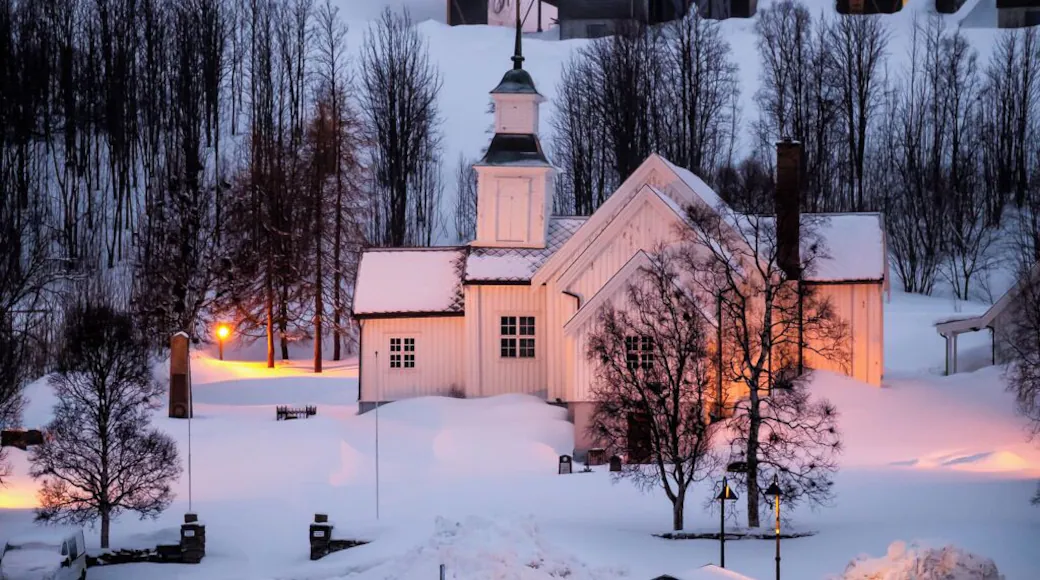
Built in 1728 under Sami missionary Thomas von Westen, this white wooden building is the oldest preserved church in the Nord-Hålogaland diocese. Visitors can view historical artifacts from the parish's early Sami and Kven congregations.
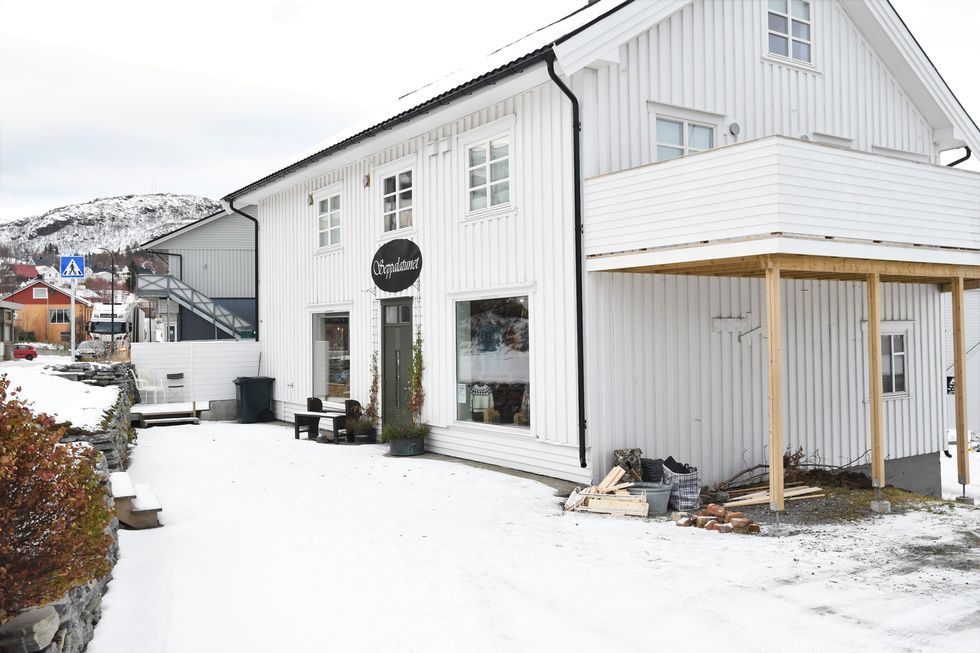
This historic venue celebrates the life of Leonhard Seppala, a local dog musher who achieved worldwide fame during the 1925 serum run to Nome, Alaska. The exhibit also highlights local polar history and regional crafts.
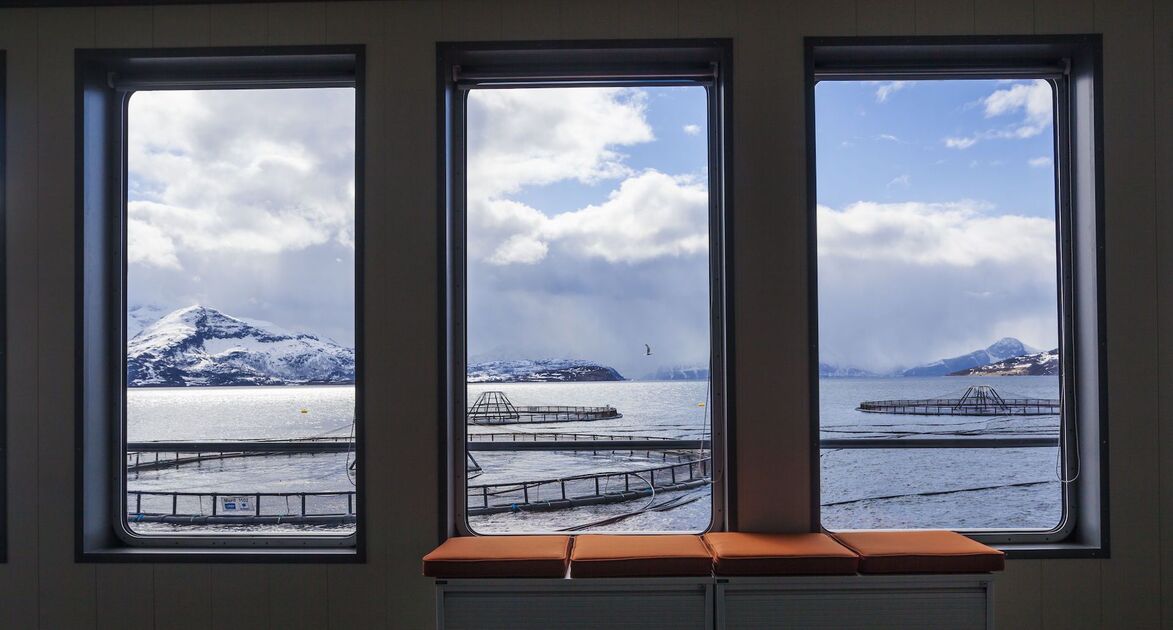
A modern visitor center dedicated to the aquaculture industry of Northern Norway. It offers educational displays about salmon farming practices, fish biology, and the maritime economy.
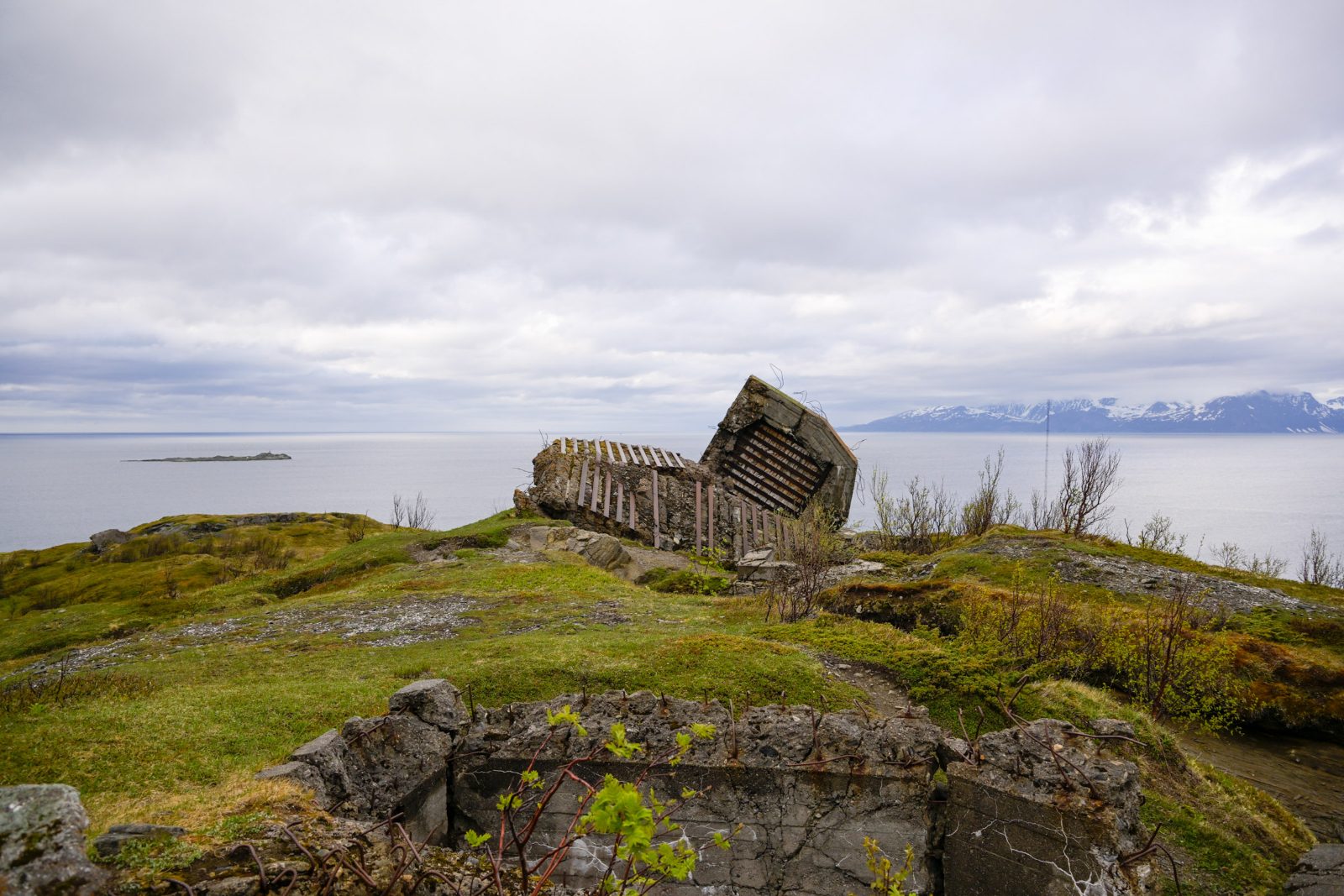
A scenic coastal trail leads to the ruins of a World War II German coastal fort. It offers panoramic views of the open sea and the surrounding islands of North Troms.
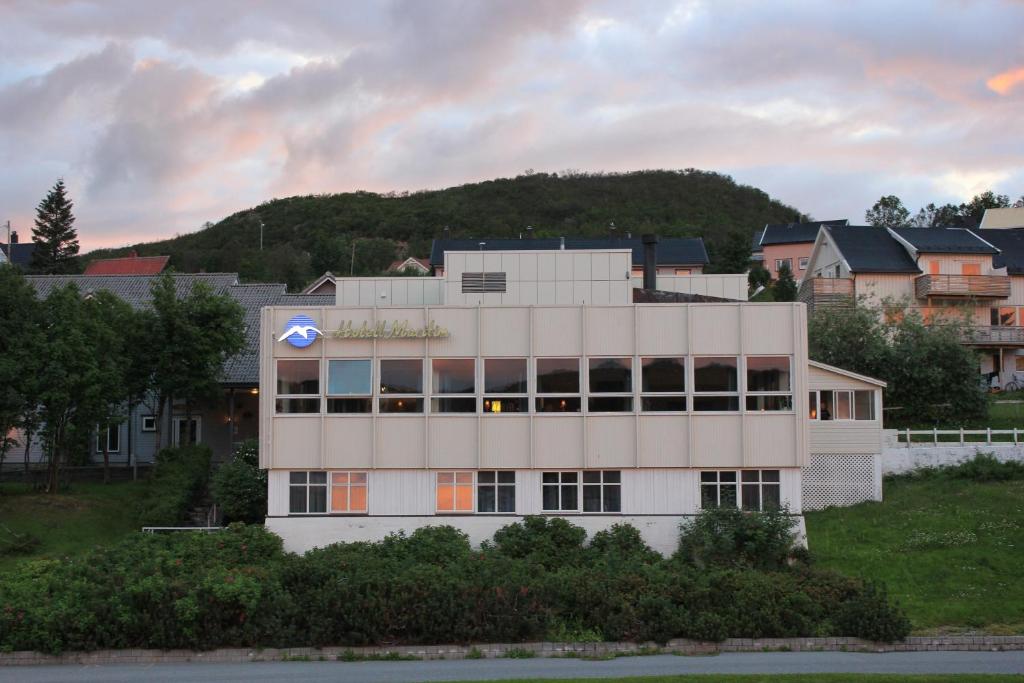
Located right on the harbor, this hotel offers comfortable rooms, an on-site restaurant serving local seafood, and easy access to the boat departure docks.
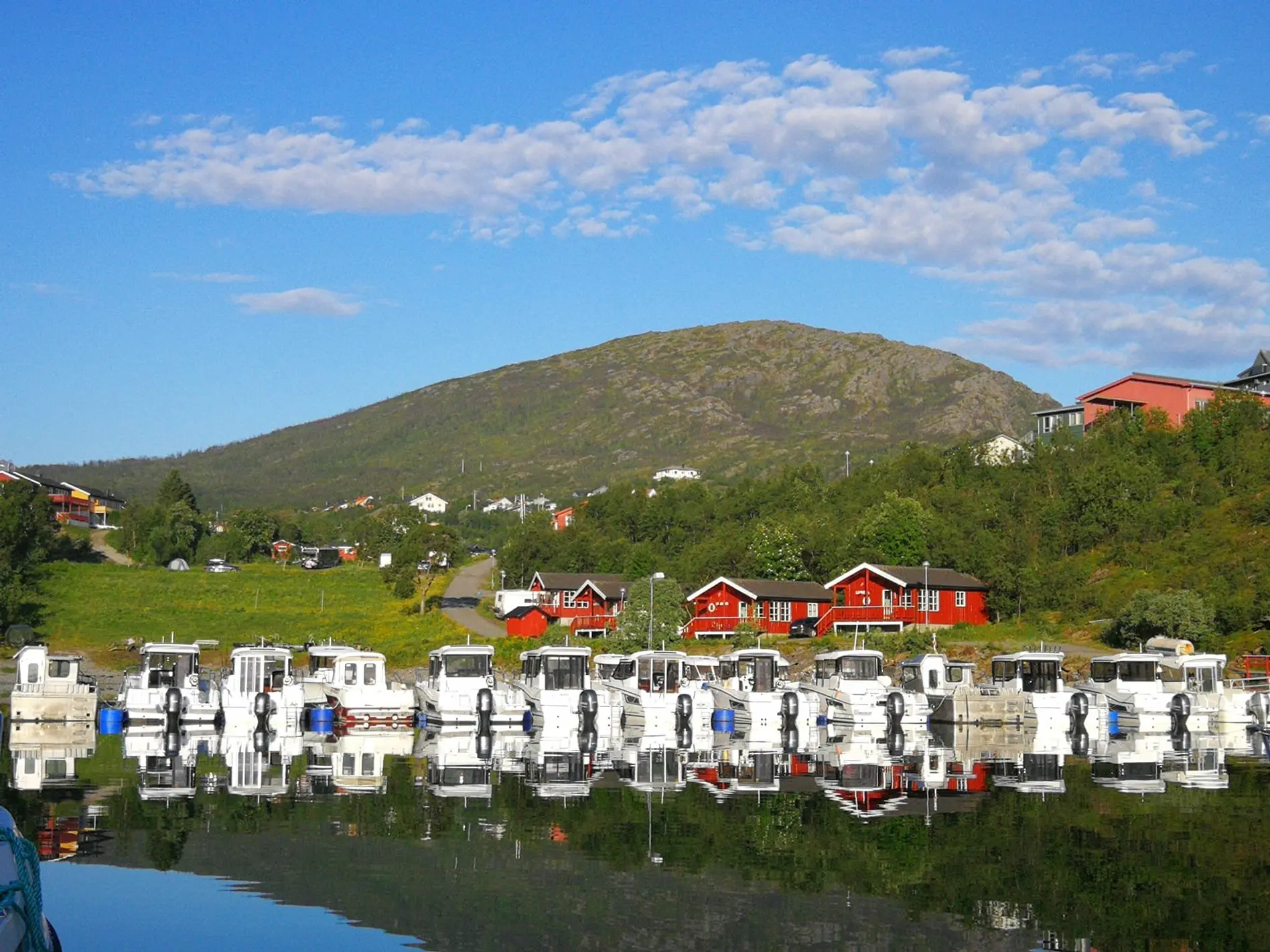
Providing waterfront cabins and apartments tailored for anglers and nature tourists, this location is ideal for those planning multi-day whale watching excursions.
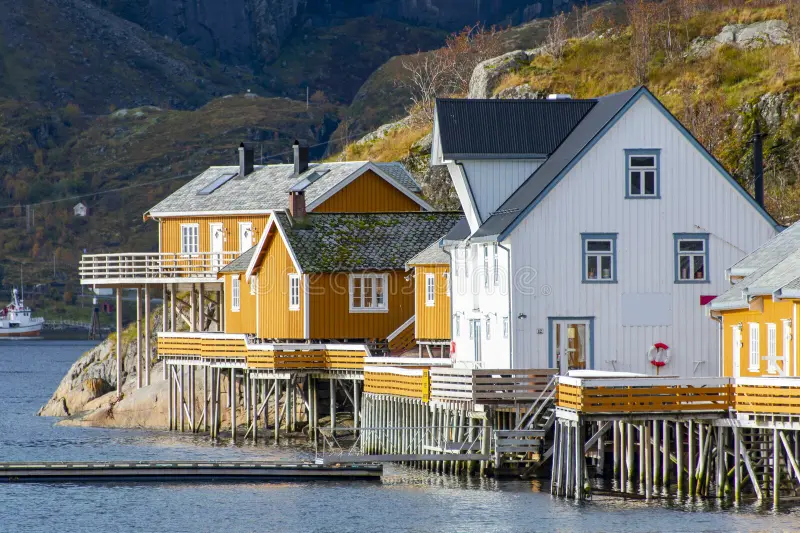
The central harbor district features a variety of self-catering apartments and guesthouses, offering convenient overnight options close to tour meeting points.
Join thousands of happy travelers who have discovered this incredible experience
Book Your Experience Now