9 hr
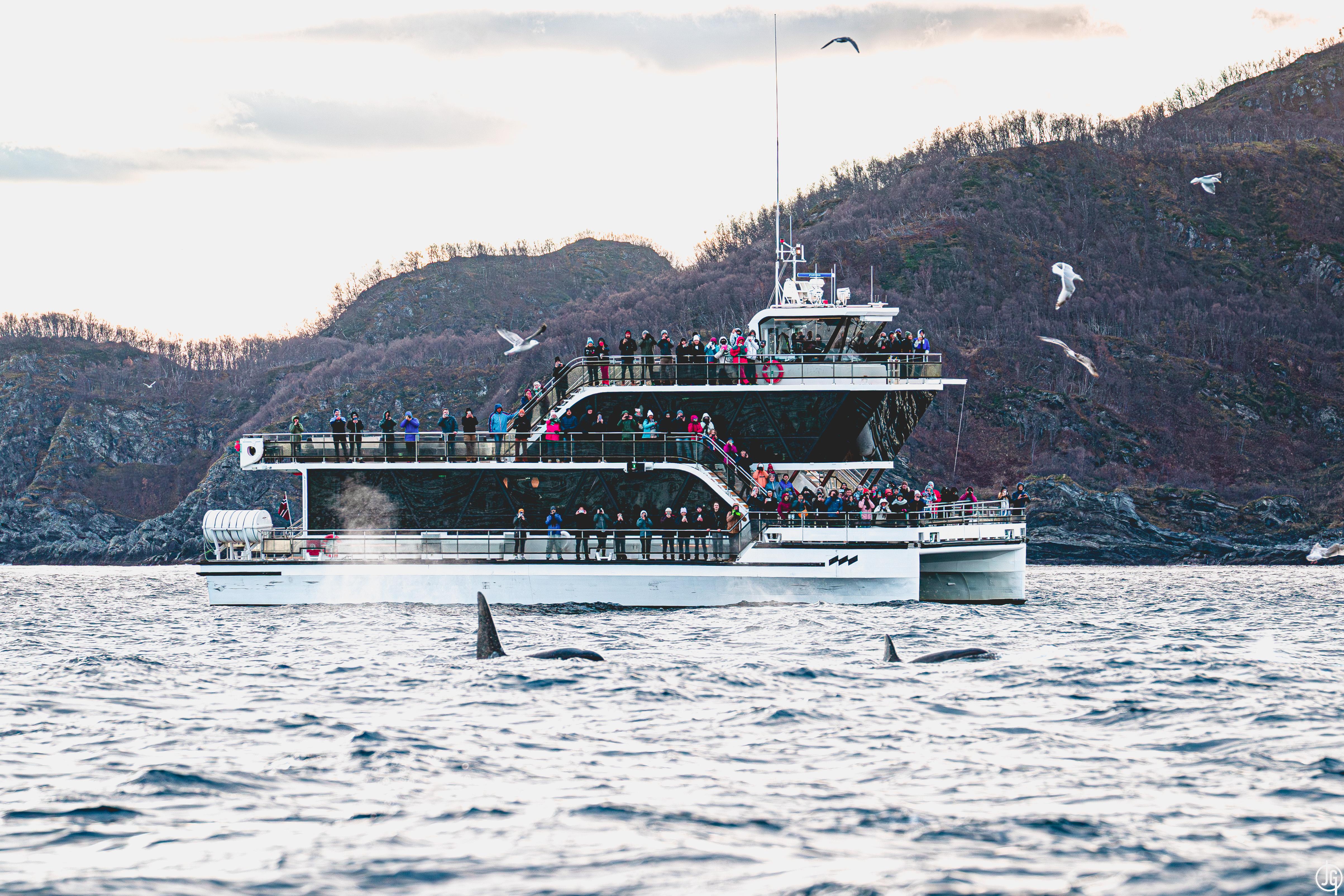
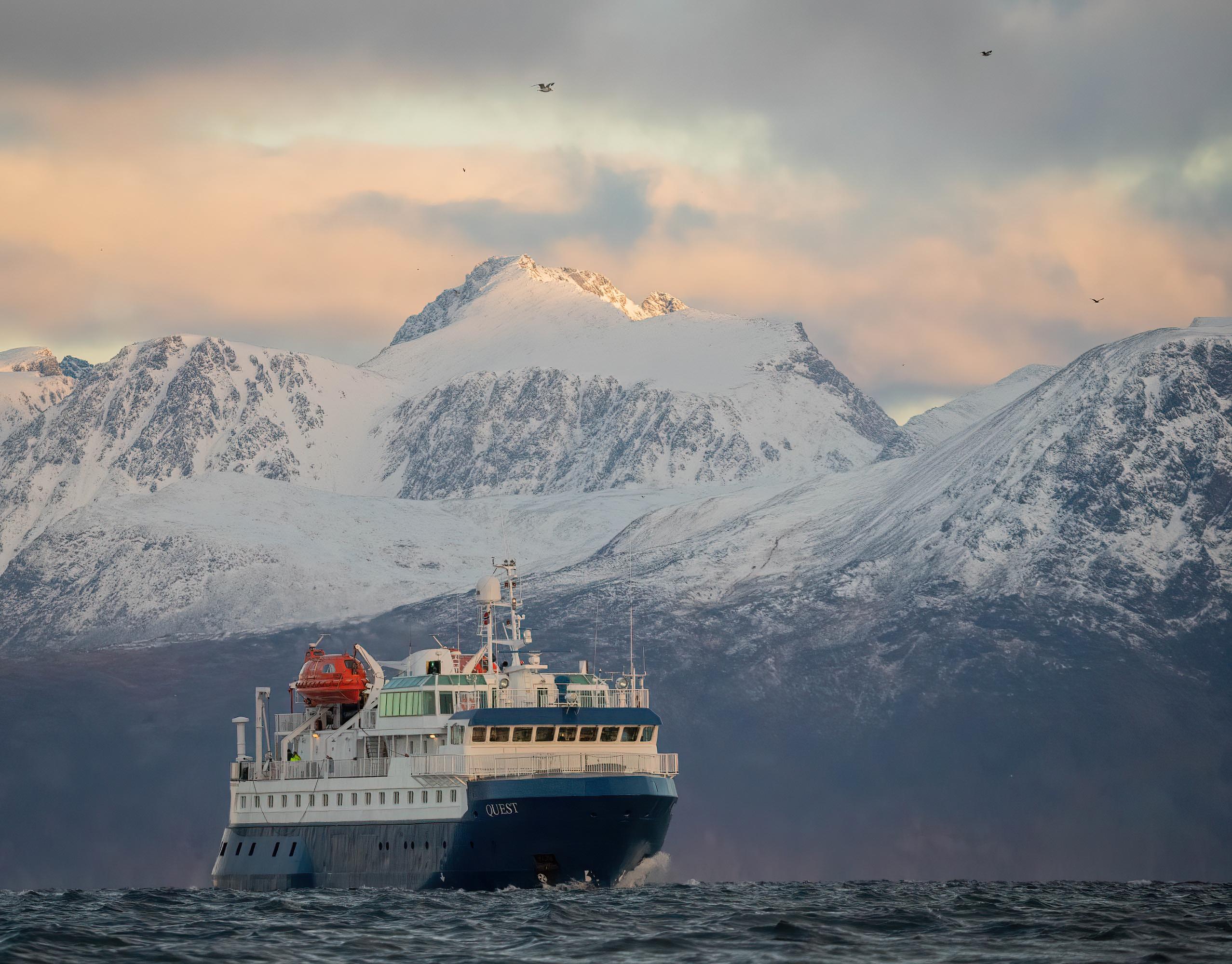
Tromsø Silent Hybrid-Electric Whale Watching Cruise
- Expert local guide
- Small group
- Skip-the-line access
- Free cancellation
Tromso Skjervoy Whale Watching — Arctic Cruises & RIB Safaris
Where cold fjords breathe, silver orcas break the winter dark
Compare fares, pick the fit — all bookings are mobile-voucher and eligible for free cancellation where shown.
9 hr
8 hr
8 hr
Planning a trip for tromso skjervoy whale watching requires choosing the right vessel type. Most travelers choose between high-speed open boats and spacious, heated catamaran excursions. Each individual tromso skjervoy whale watching tour focuses on finding active wildlife pods. Thermal suits are typically provided to protect against the cold. Booking these seasonal tromso skjervoy whale watching tours in advance is highly recommended.
|
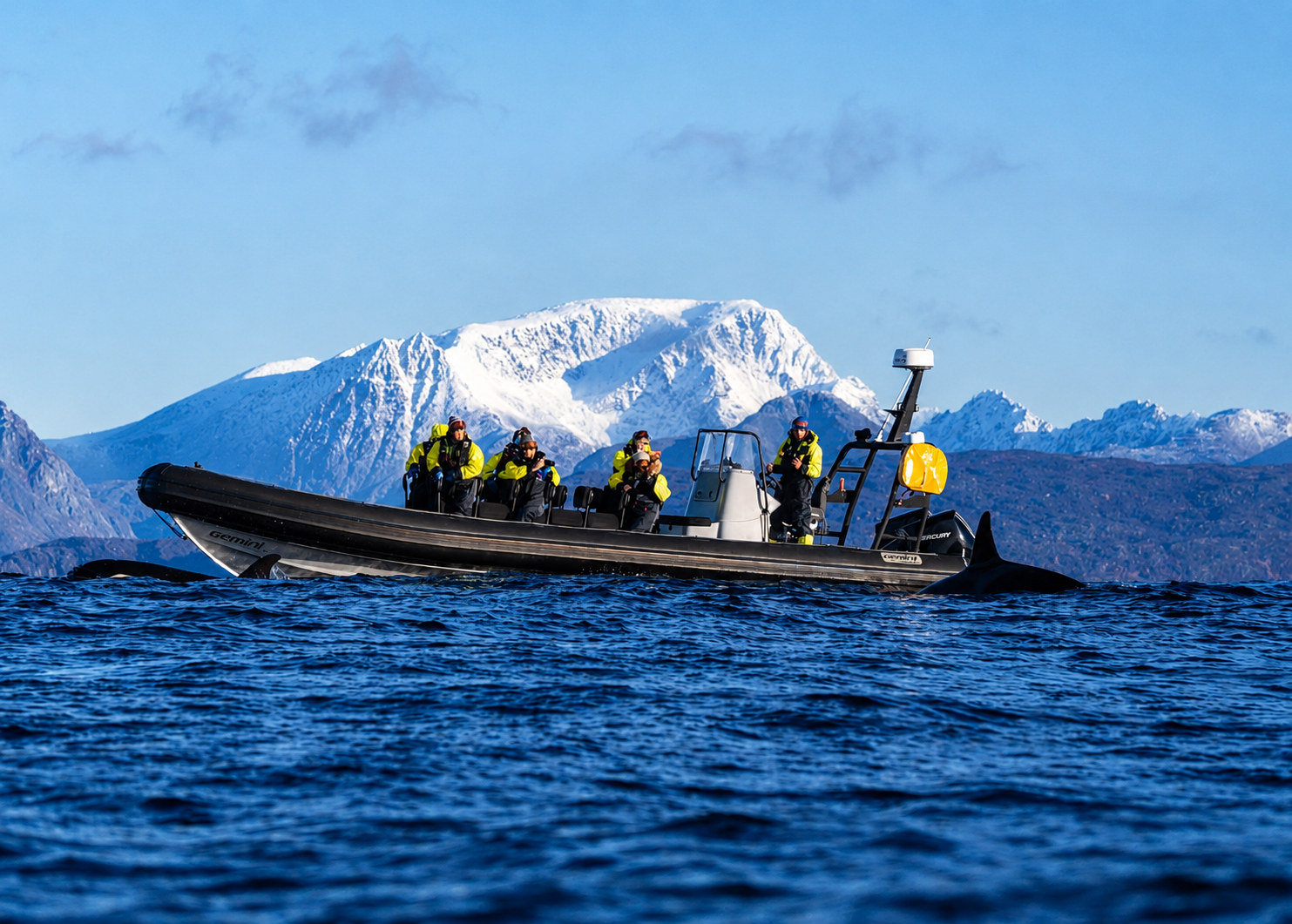
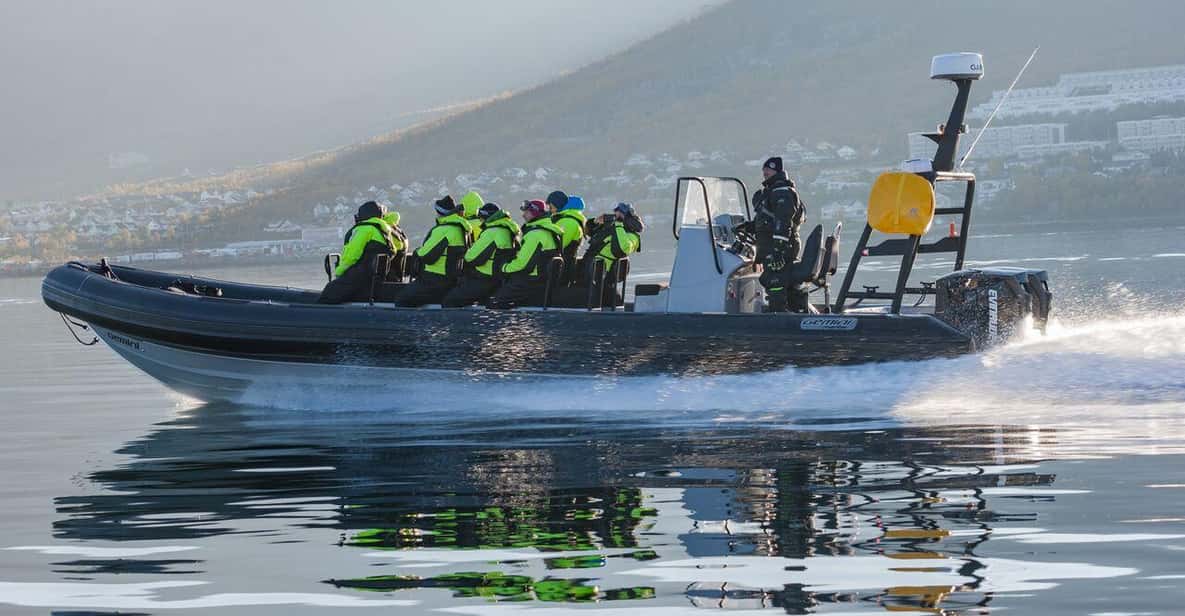
Top pick RIB Boat Safari Speedboat tour with bus transfer |
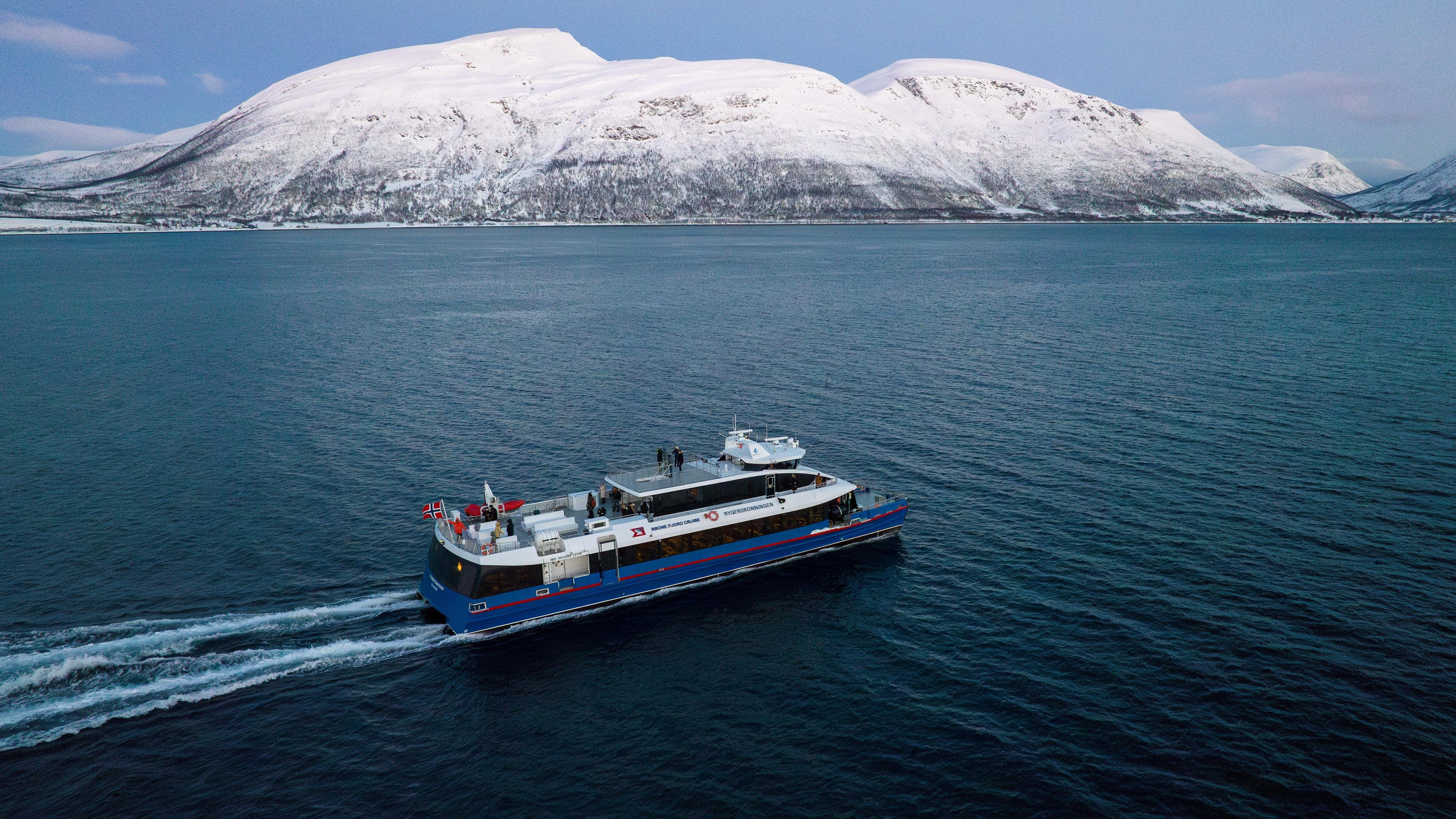
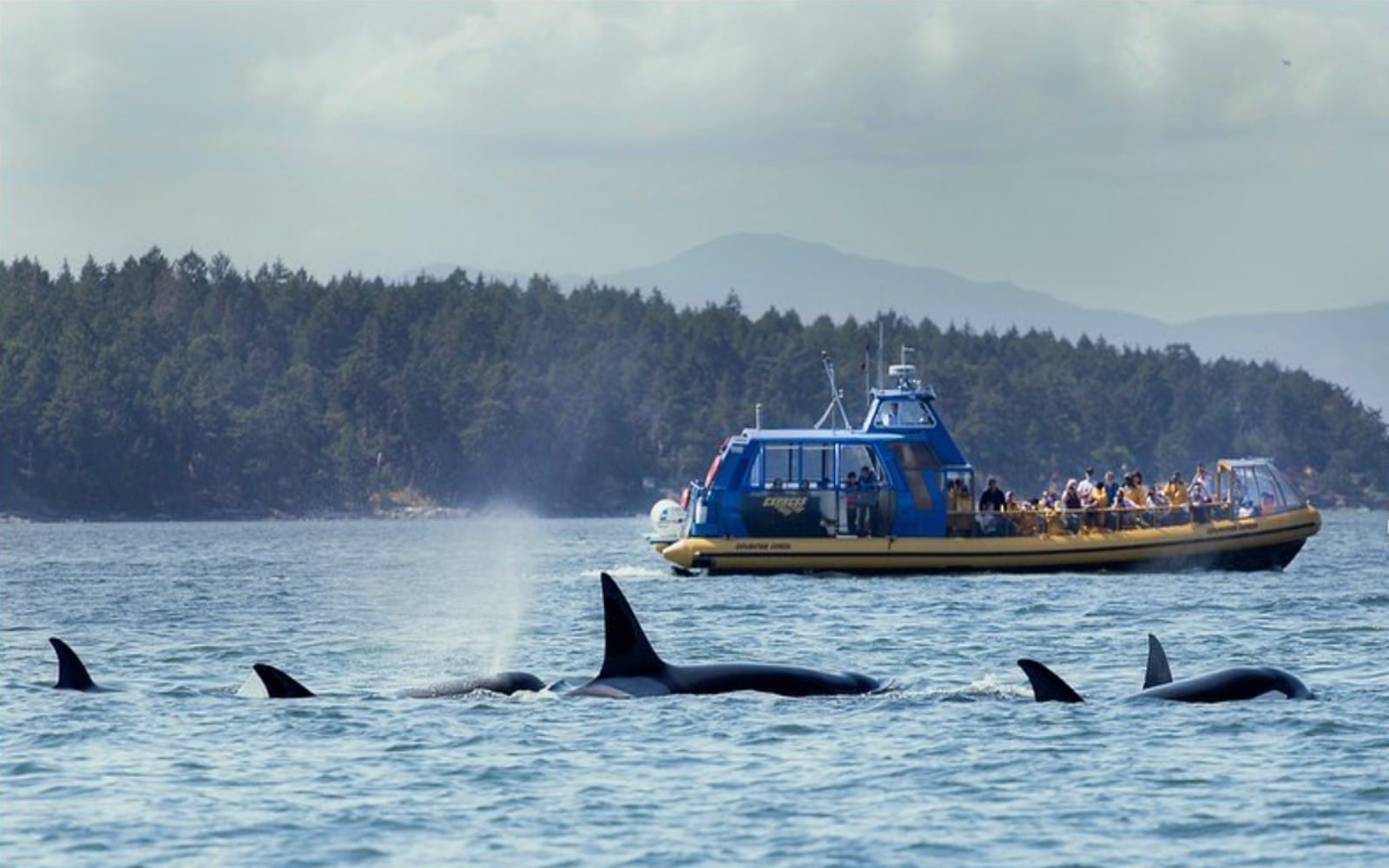
Hybrid Catamaran Cruise Silent electric ship from Tromsø | |
|---|---|---|
| Vessel Type | Open RIB speedboat | Hybrid-electric catamaran |
| Approximate Price | From 3400 NOK | From 2200 NOK |
| Total Duration | 12 hours with scenic bus transfer | 7 to 9 hours direct cruise |
| Viewing Experience | Close-up sea level perspective | Elevated multi-level decks |
| Heated Cabin | — | |
| Thermal Flotation Suit | ✓ (Included) | — (Not needed inside) |
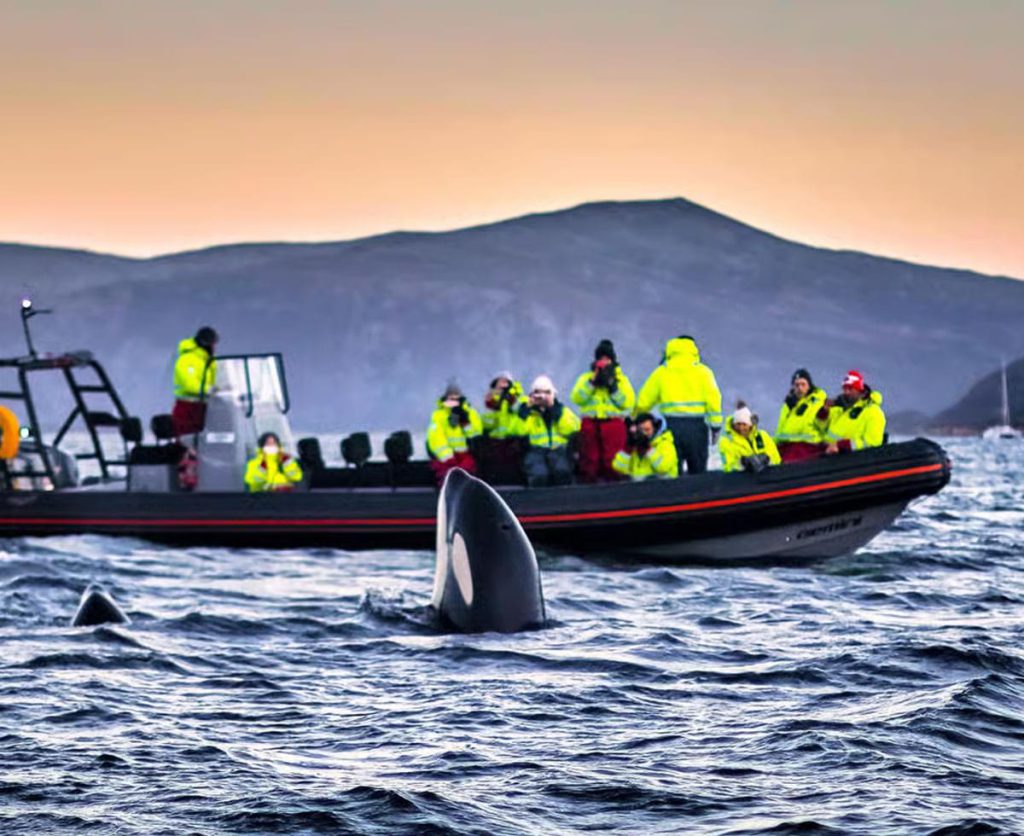
| Group Size | Small group (up to 12 guests) | Large group (up to 140 guests) |
| Best for | Adventure seekers and photographers | Families and comfort-focused travelers |
| See tickets & prices |
Verdict: We recommend purchasing your tromso skjervoy whale watching tickets early if you want to secure a spot during the peak winter season.
Worth it for winter orca chasers
Entry to the harbor at Havnegata 18 costs 0 NOK, so the real spend sits in the boat ticket, and tromso skjervoy whale watching prices vary by operator across the grid above. What you pay buys a long transit north from Tromsø, but the payoff is dense winter feeding grounds where wild orcas and humpback whales gather in the thin Arctic daylight. Sightings are not guaranteed, yet Skjervøy's fjords hold some of the highest odds in Norway between roughly November and January. The silent hybrid-electric cruise, high-speed catamaran, small-group all-inclusive, and the two Arctic RIB adventures each trade comfort against speed and closeness. If you value the marine wildlife encounter over a lazy morning, tromso skjervoy whale watching tickets earn their cost. Casual sightseers chasing scenery alone will feel the effort outweighs the reward.
Bottom line: For a serious tromso skjervoy whale watching tour in peak winter, the odds justify the price and the travel.
Deciding on the best tromso skjervoy whale watching tour depends on your tolerance for the cold and desire for proximity during your Arctic whale watching trip. Choosing a RIB option gets you closest to the feeding orcas, whereas standard tromso skjervoy whale watching tours utilize larger, heated vessels to keep you warm.
|
Top pick RIB Safari |
Heated Catamaran Cruises | |
|---|---|---|
| Transit Style | Open Rigid Inflatable Boat (RIB) | Enclosed hybrid-electric catamaran |
| Exposure to Arctic Cold | High; requires thermal suit | Low; heated indoor cabin |
| Group Size | Small; maximum 12 passengers | Large; up to 150+ passengers |
| Proximity to Wildlife | Excellent; close water-level perspective | Good; elevated deck view |
| Seasickness Risk | Low; highly stable ride | Moderate; prone to swaying |
| Tour Duration | 3 hours (12 hours with transit) | 7 to 9 hours round-trip |
| See tickets & prices |
Verdict: Purchase your tromso skjervoy whale watching tickets for the RIB safari if you want a fast-paced adventure, but choose the catamaran for a relaxing, family-friendly cruise through the Norwegian fjords.
Hand-picked experiences loved by thousands of travelers
12 hours
Free Cancellation
Embark on an exciting RIB boat excursion to spot orcas and humpbacks in their natural Arctic habitat.
12 hours
Free Cancellation
Embark on an unforgettable winter RIB boat excursion from Tromsø to witness wild orcas and humpback whales feeding.
12 hours
Free Cancellation
Seek out wild orcas and humpback whales on a thrilling polar RIB adventure from Tromsø to Skjervøy.
12 hours
Free Cancellation
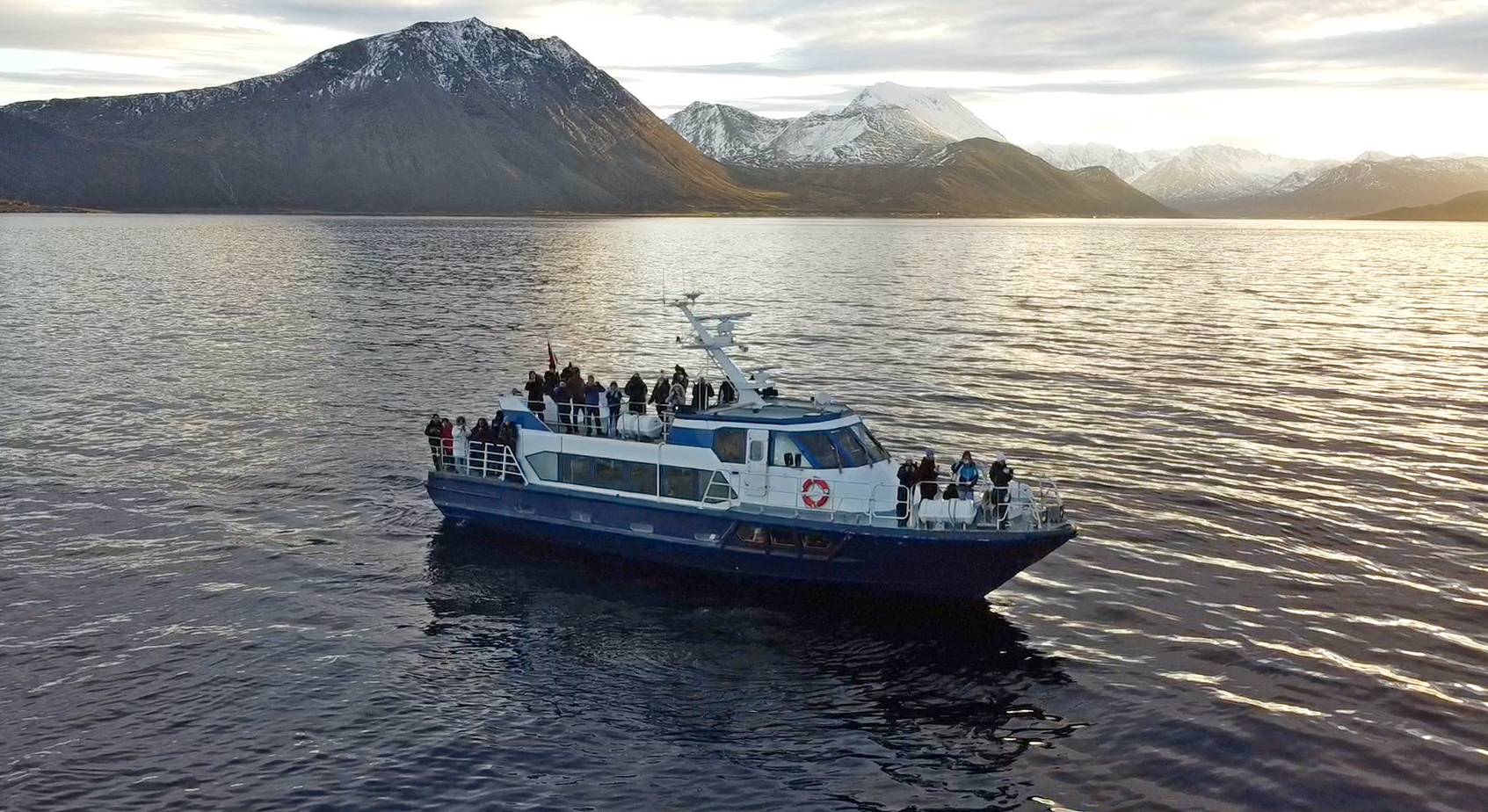
Seek out majestic orcas and humpback whales from the warmth of a comfortable, covered vessel in Skjervøy.
4 - 12 hours
Free Cancellation
Embark on a thrilling high-speed RIB boat tour through northern Norway's fjords to search for majestic whales.
4 hours
Free Cancellation
Search for orcas, humpbacks, and fin whales in comfort on a heated cabin boat cruise from Skjervøy.
3.5 hours
Free Cancellation
Spot majestic orcas and humpbacks from the cozy comfort of a modern, heated cabin cruiser in Skjervøy.
24 hours
Free Cancellation
Search for the Northern Lights and watch whales on a 24-hour overnight cruise from Tromsø.
Arrive at the Skjervøy harbor to meet your skipper, sign in, and collect safety gear.
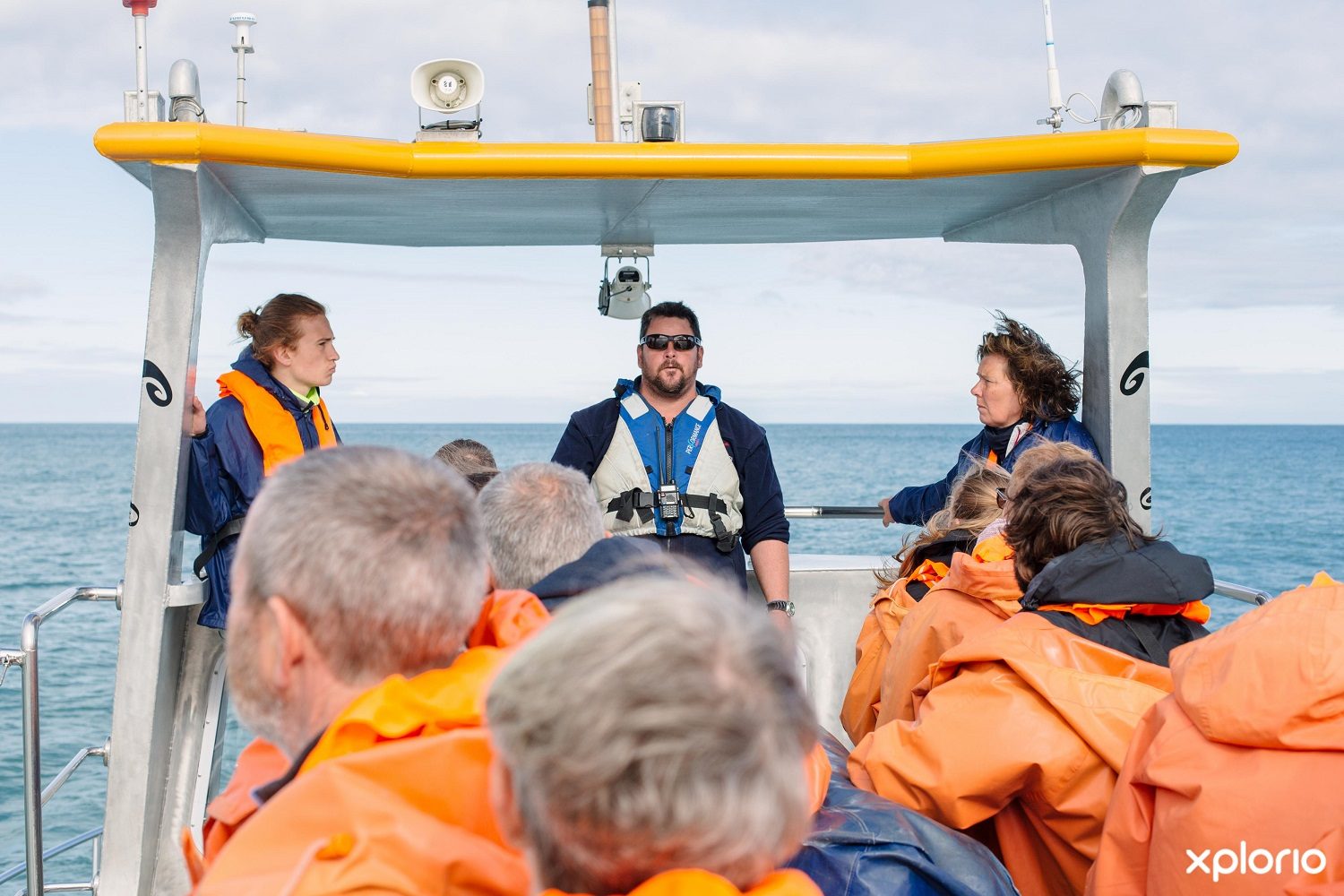
Put on the provided windproof thermal flotation suits and listen to the crew's safety briefing.
Embark on your Tromso Skjervoy whale watching tour to search for migrating humpbacks.
Head back to the dock at Skjervøy, return your safety gear, and enjoy a warm beverage.
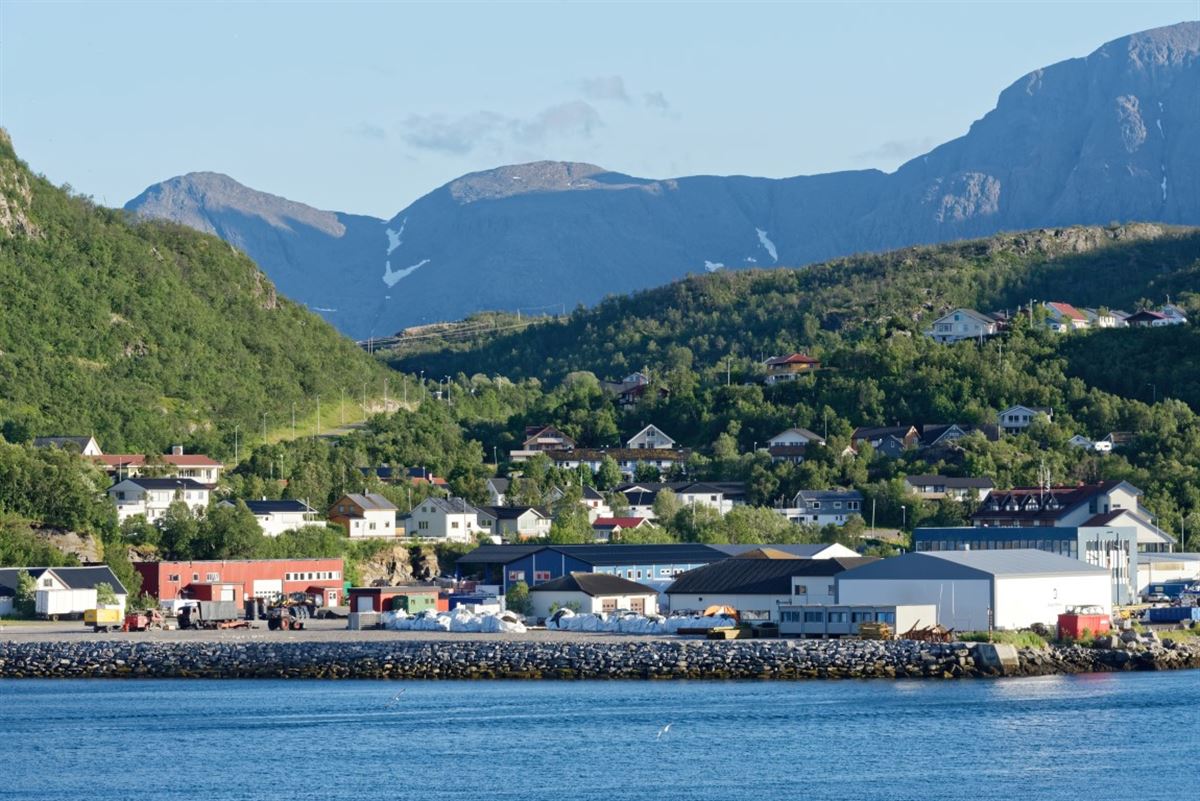
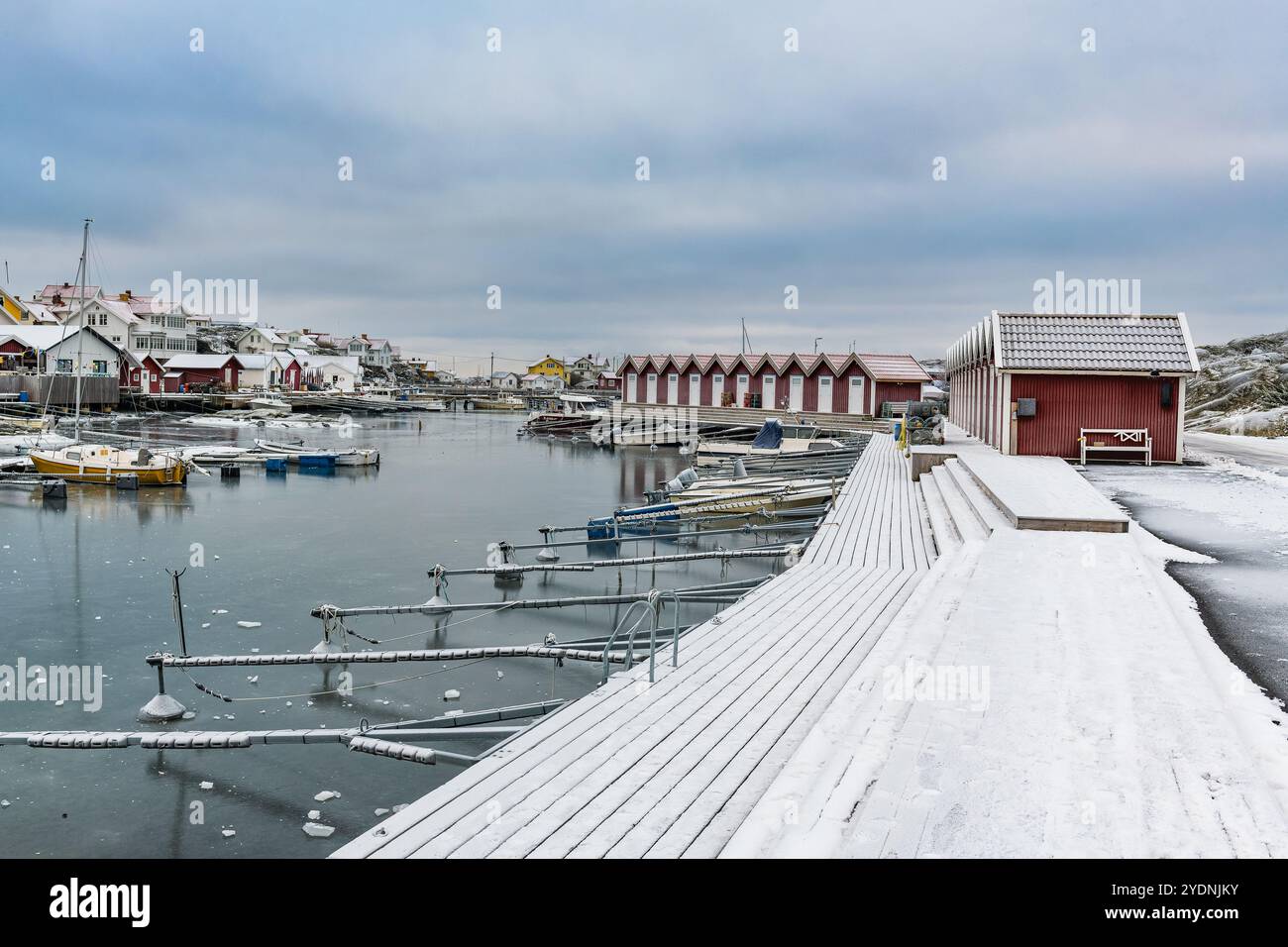
The historic harbor terminal at Havnegata 18 serves as the primary departure dock for local vessels. It features a modern floating pier system that accommodates both open RIB boats and larger tour vessels.
This deep marine feeding ground is where nutrient-rich currents concentrate massive shoals of overwintering herring. The abundance of food regularly attracts over 50 humpbacks and orcas to feed side-by-side during December.
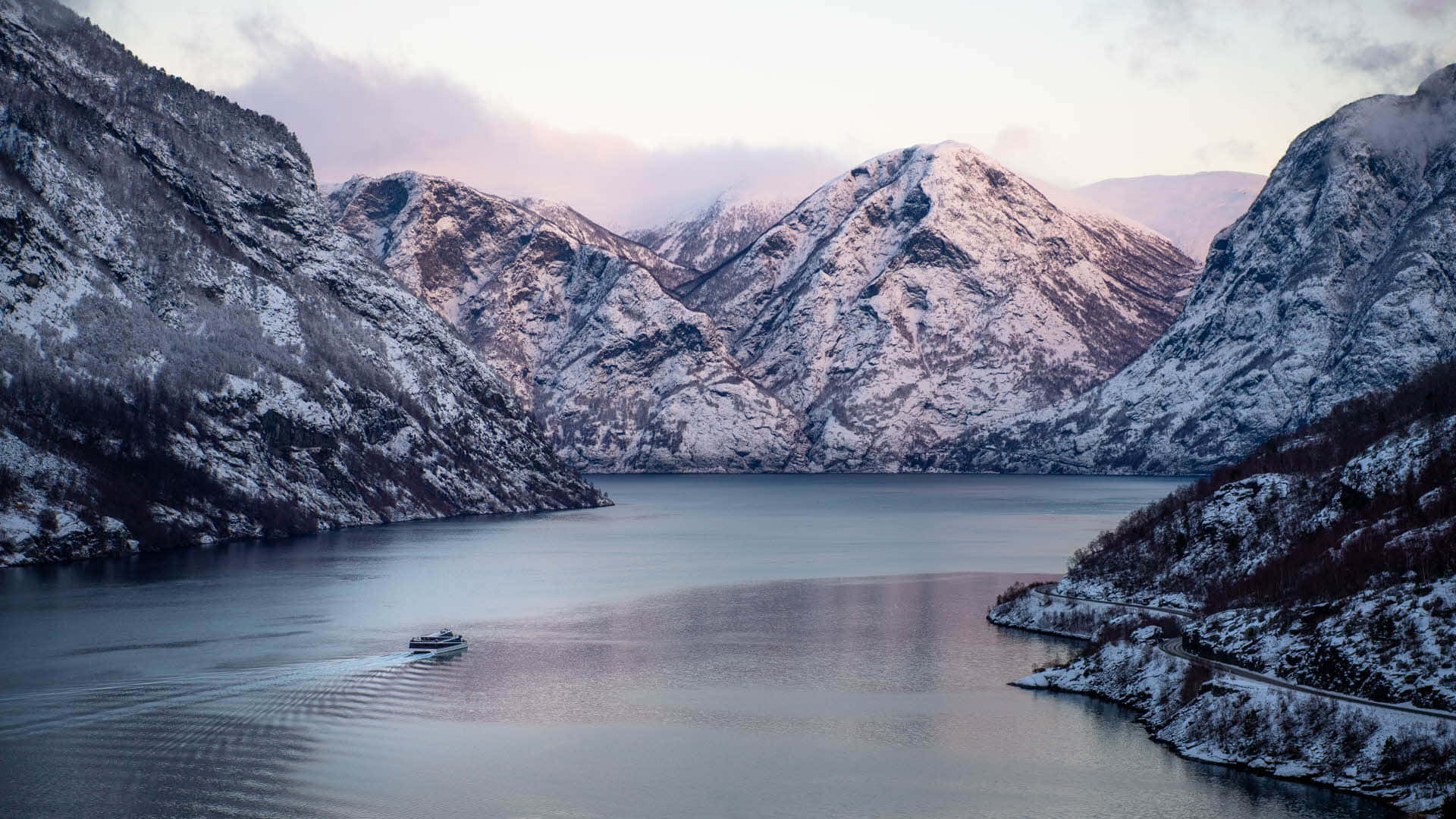
A narrow, scenic channel flanked by steep, snow-draped peaks that boats navigate to reach the outer islands. It offers sheltered waters and views of the dramatic mountain ranges.
The northernmost tip of the island where the sheltered coastal waters meet the open Norwegian Sea. It is a key vantage point for captains scanning the horizon for the telltale blows of fin whales.
The dedicated floating dock where high-speed rigid inflatable boats are prepped for departure. These specialized watercraft are designed to withstand Arctic conditions and provide close-to-water wildlife views.
You reach the quay at Havnegata 18 a little after 09:00, while the harbour lights still burn against a sky that has barely begun to pale. You pull the loaned thermal suit over your layers, tighten the hood, and step down onto the deck as the crew casts off.
The engine stays silent — on the hybrid boat you hear only water against the hull as the town slides behind you.
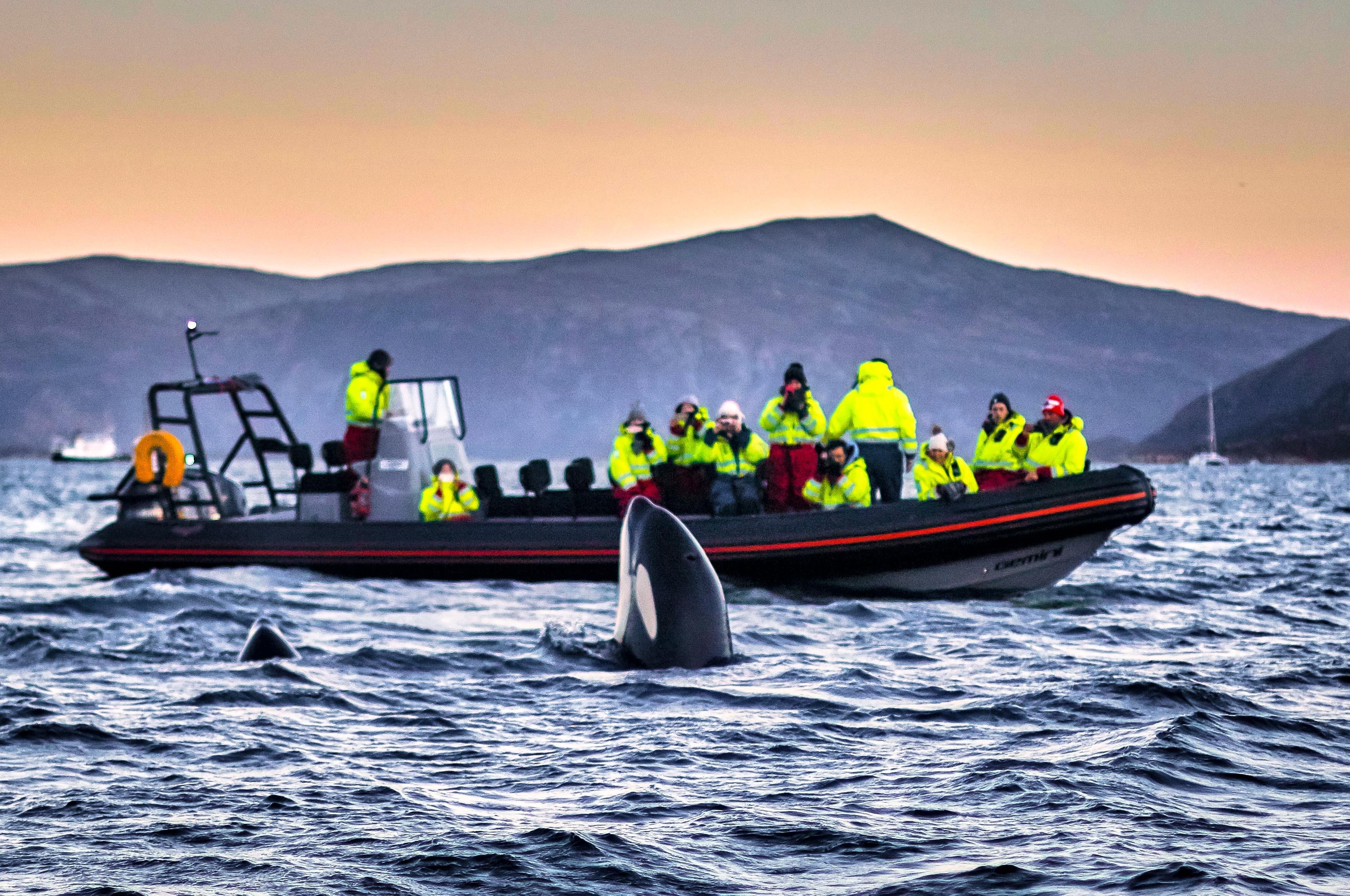
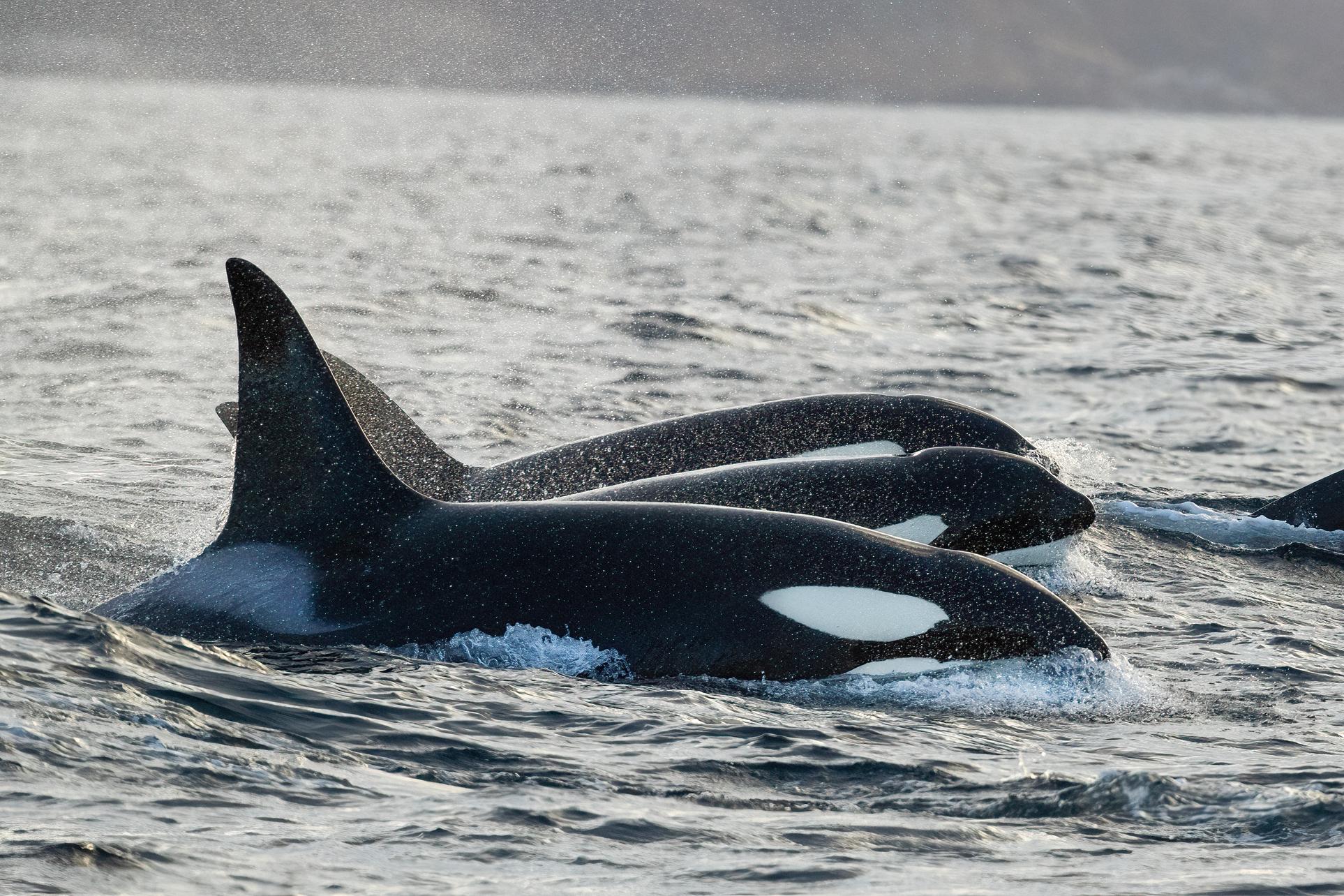
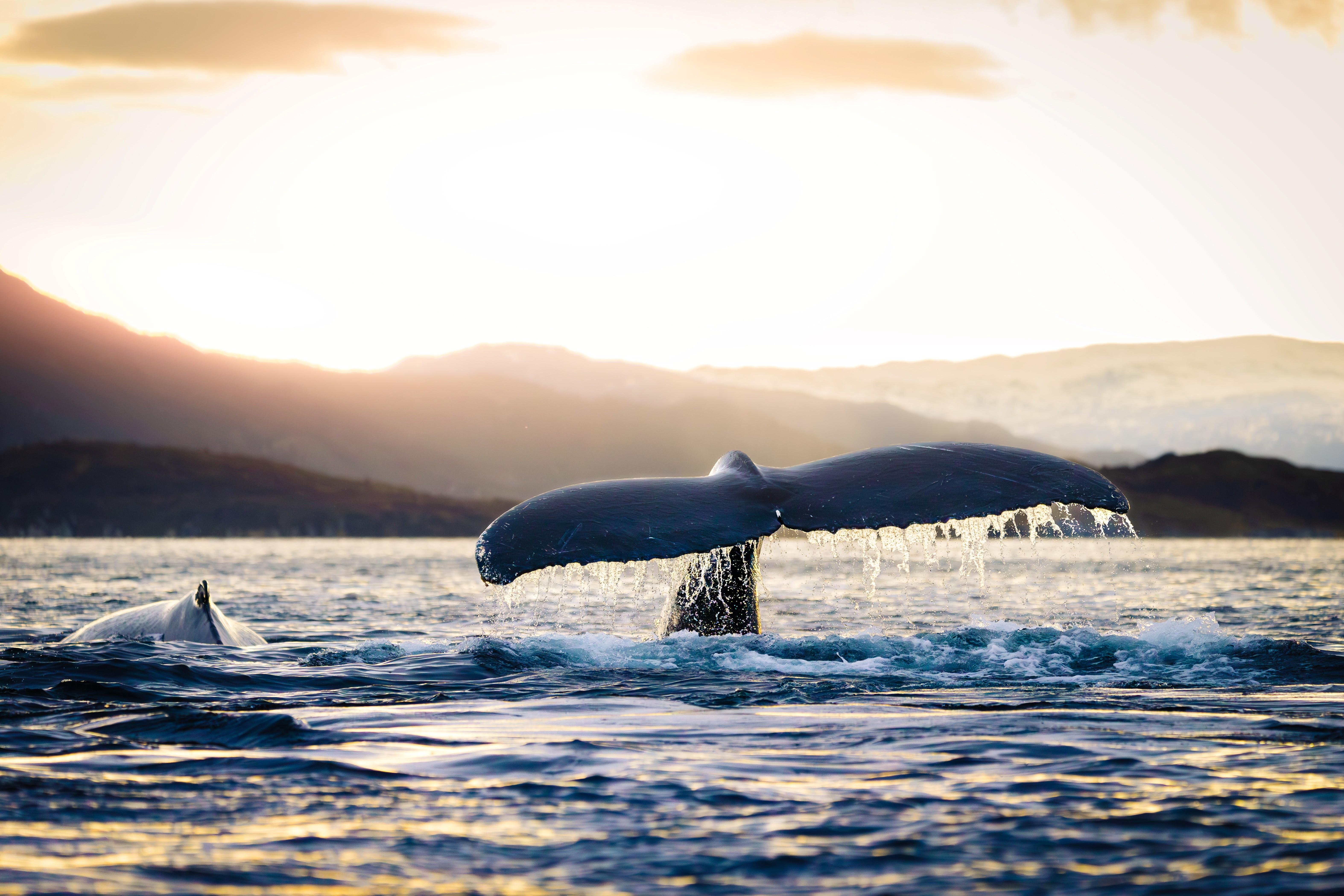
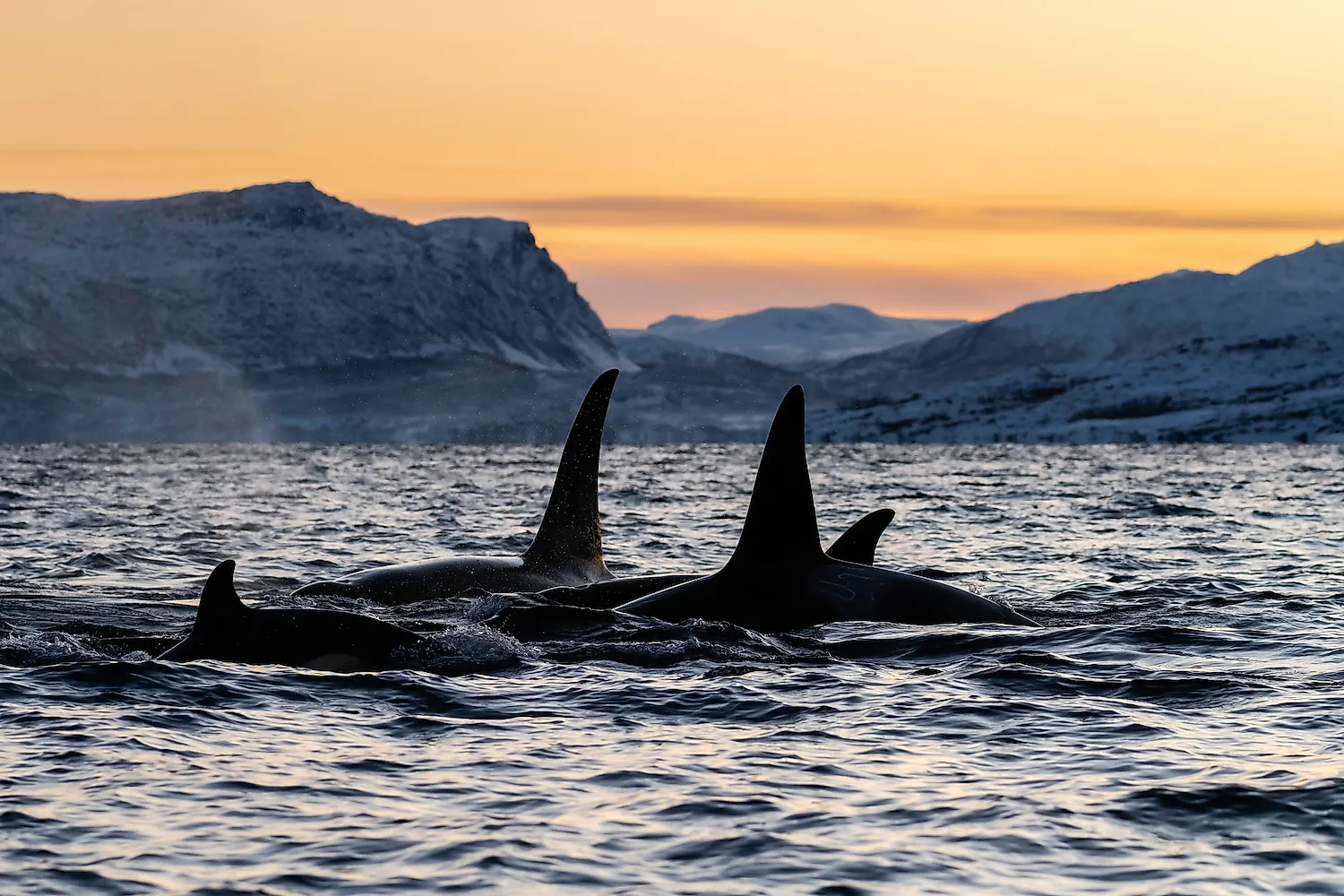
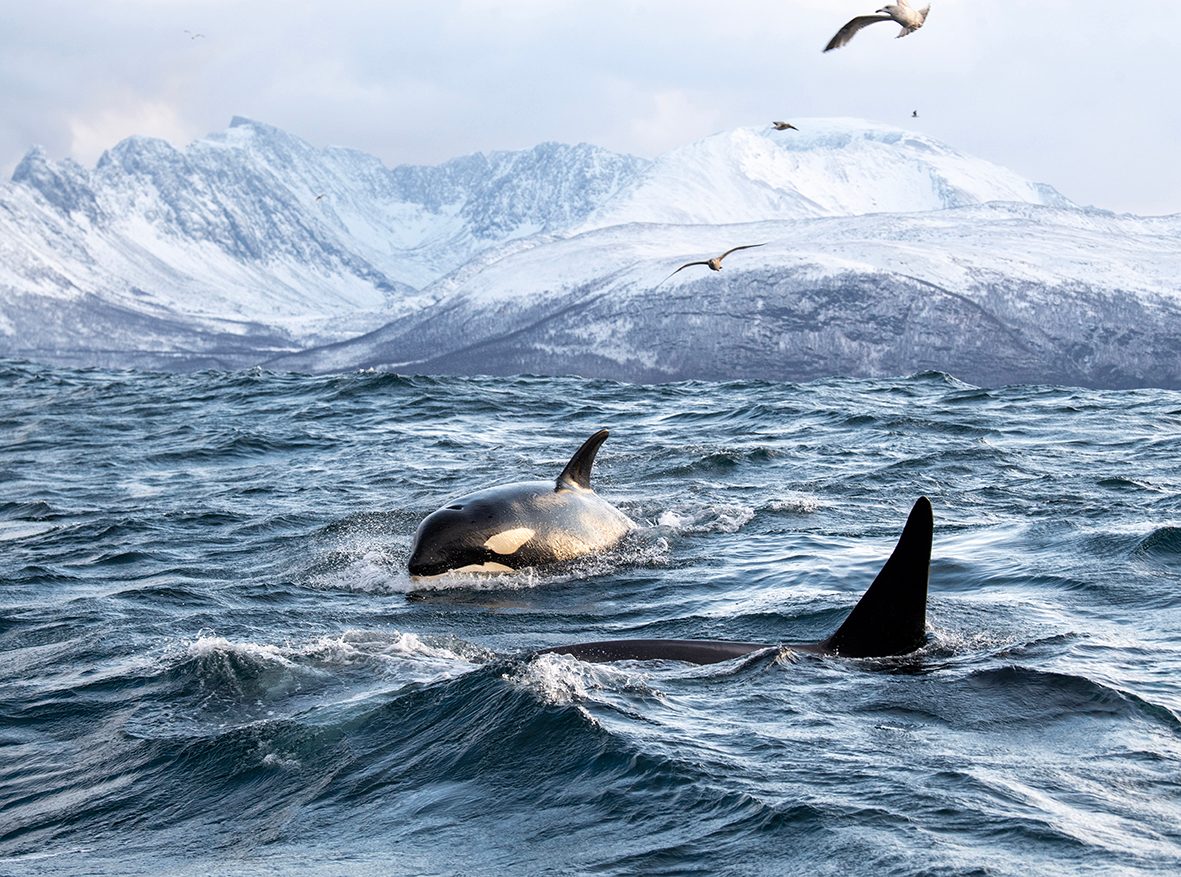
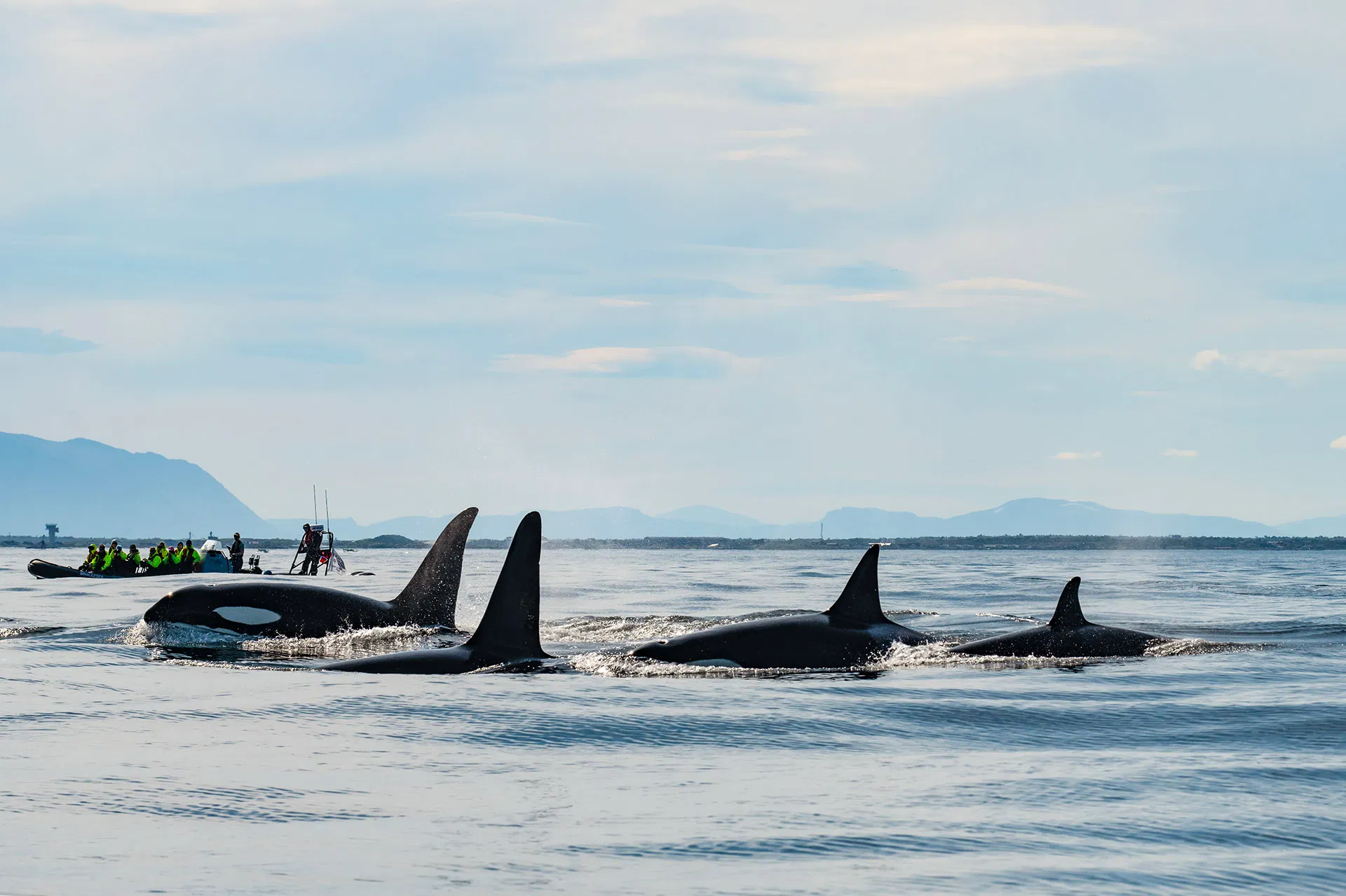
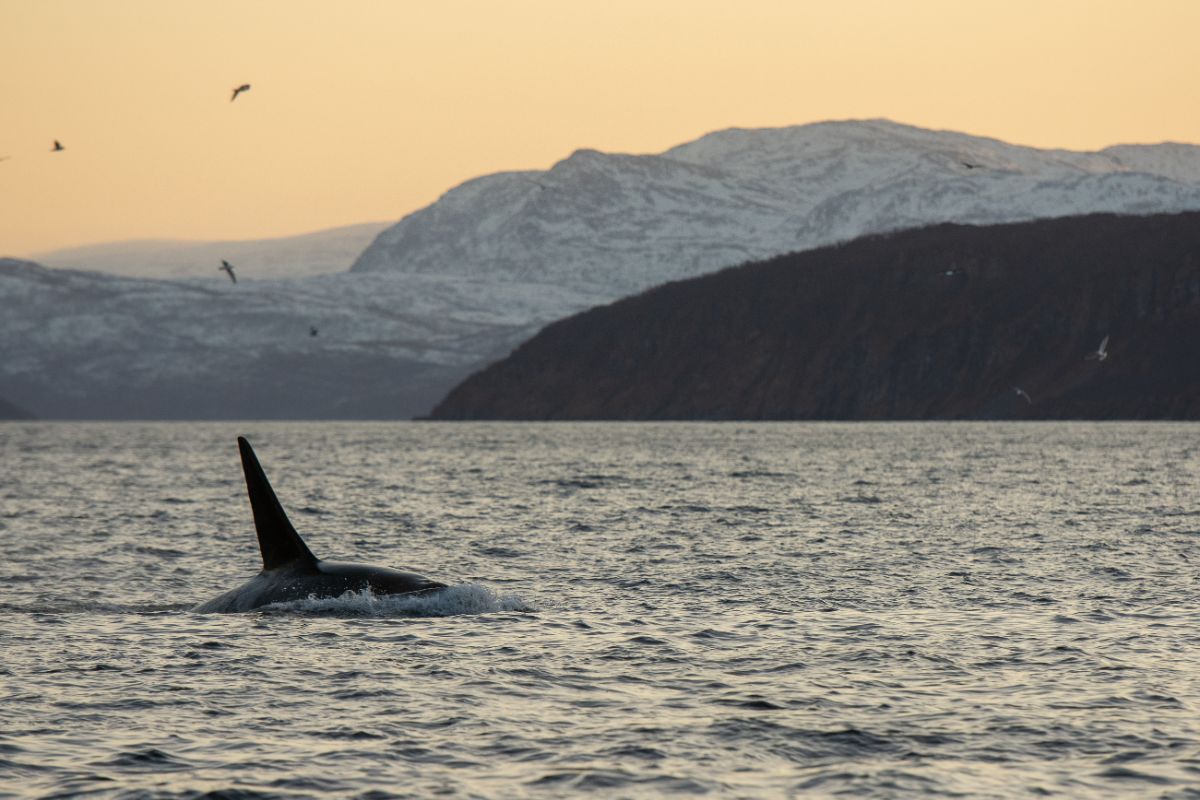
Twenty minutes out, someone points. A dark fin cuts the surface, then another, and the skipper eases back to let a pod of orcas pass. You lean to the rail, camera ready, and wait for the exhale — that sudden grey plume and the smell of the sea on a whale's breath. A humpback rolls nearby, its fluke lifting clear before the dive.
You wrap cold hands around a cup of something hot from the galley and scan the grey water for the next blow. This is the rhythm of a tromso skjervoy whale watching tour: long, quiet stretches broken by a few charged minutes you will replay for years. By the time the boat turns back toward Skjervøy, the brief winter light is already fading, and the fjord has given you its show.
All the details about your upcoming adventure in one place
Each winter, billions of Norwegian spring-spawning herring pour into the sheltered fjords around Skjervøy, and the whales follow them like clockwork.
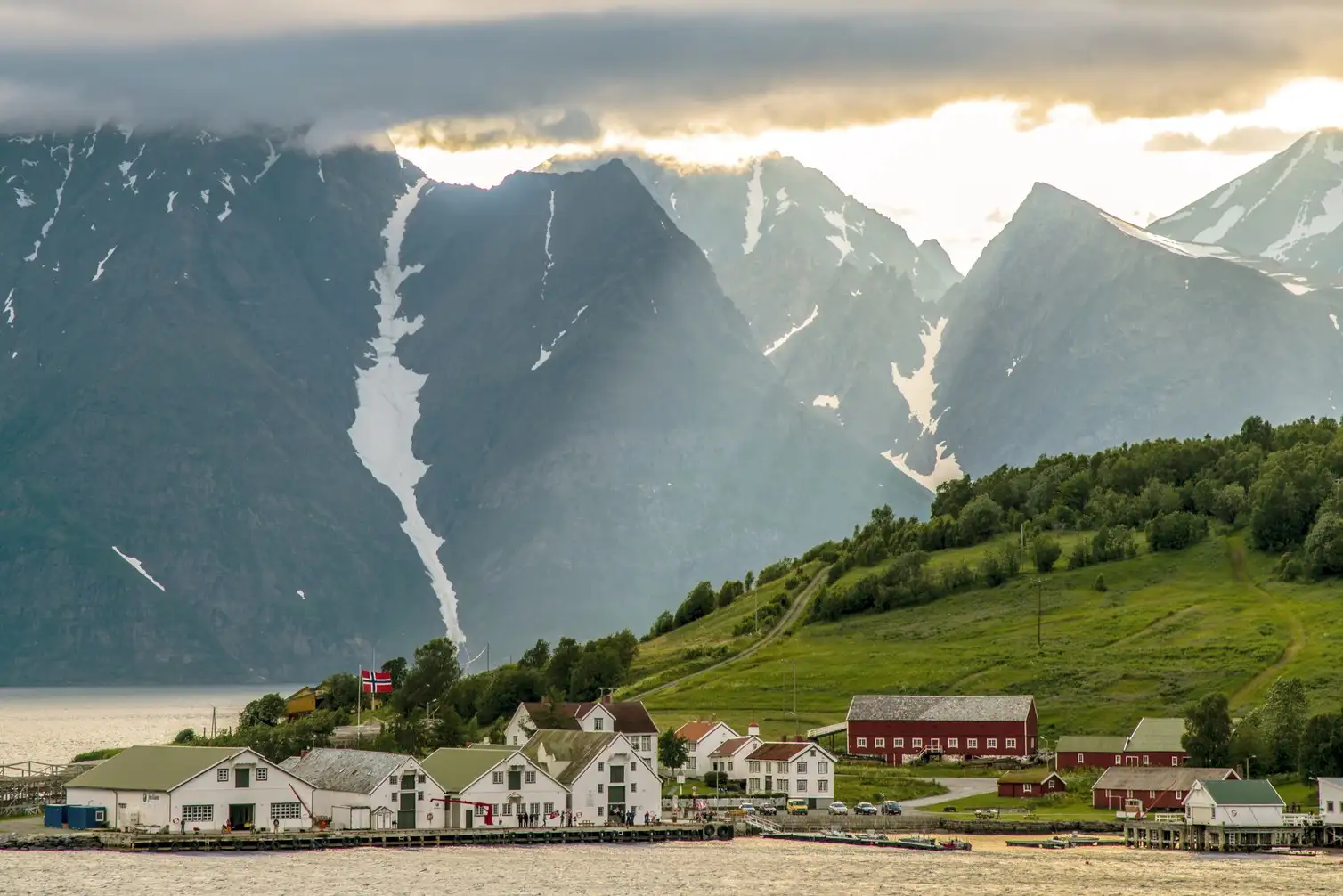
This seasonal congregation is the quiet engine behind tromso skjervoy whale watching, drawing humpbacks and orca pods to a coastline more than 400 kilometres above the Arctic Circle. Skjervøy itself is a modest fishing town on the island of Kågen, home to fewer than 2,500 residents and linked to the mainland by an undersea tunnel opened in 1991. Its harbour opens directly onto the deep channels where the herring shelter, which is why a working fishing port became, almost by accident, one of the best vantage points in Europe for observing large marine mammals.
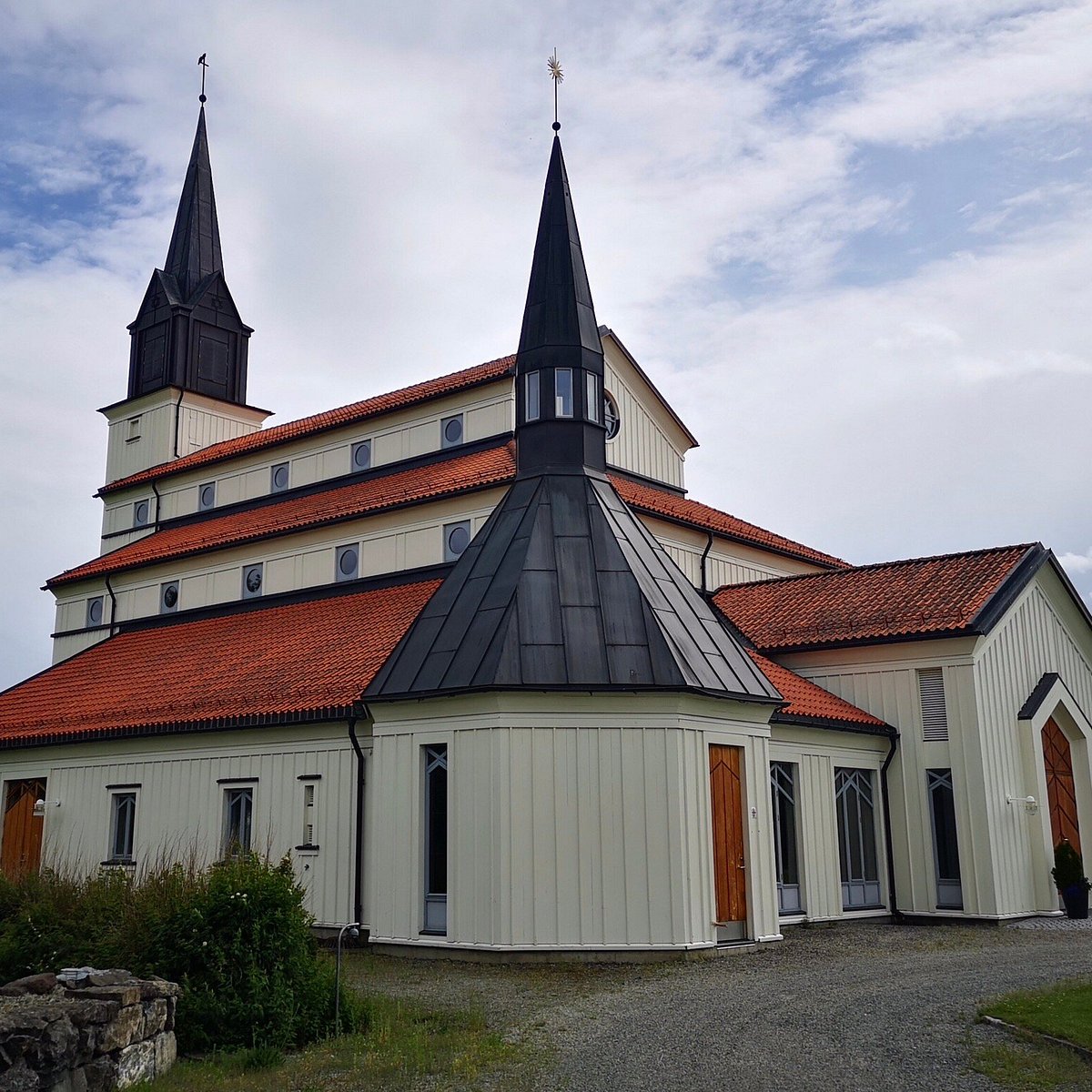
The port has worked these waters for centuries. Its wooden church was consecrated in 1728 and remains one of the oldest in Troms, while the harbour served as a supply stop for Fridtjof Nansen and Hjalmar Johansen on their return from the Arctic in 1896. For generations herring meant salt, barrels and export, sustaining a coastal economy built on the shoals. More recently the same fish redrew the map: as the wintering herring shifted their migration north along the coast, the operators behind tromso skjervoy whale watching tours followed them out from the regional capital, and Skjervøy's Havnegata quay found a second life.
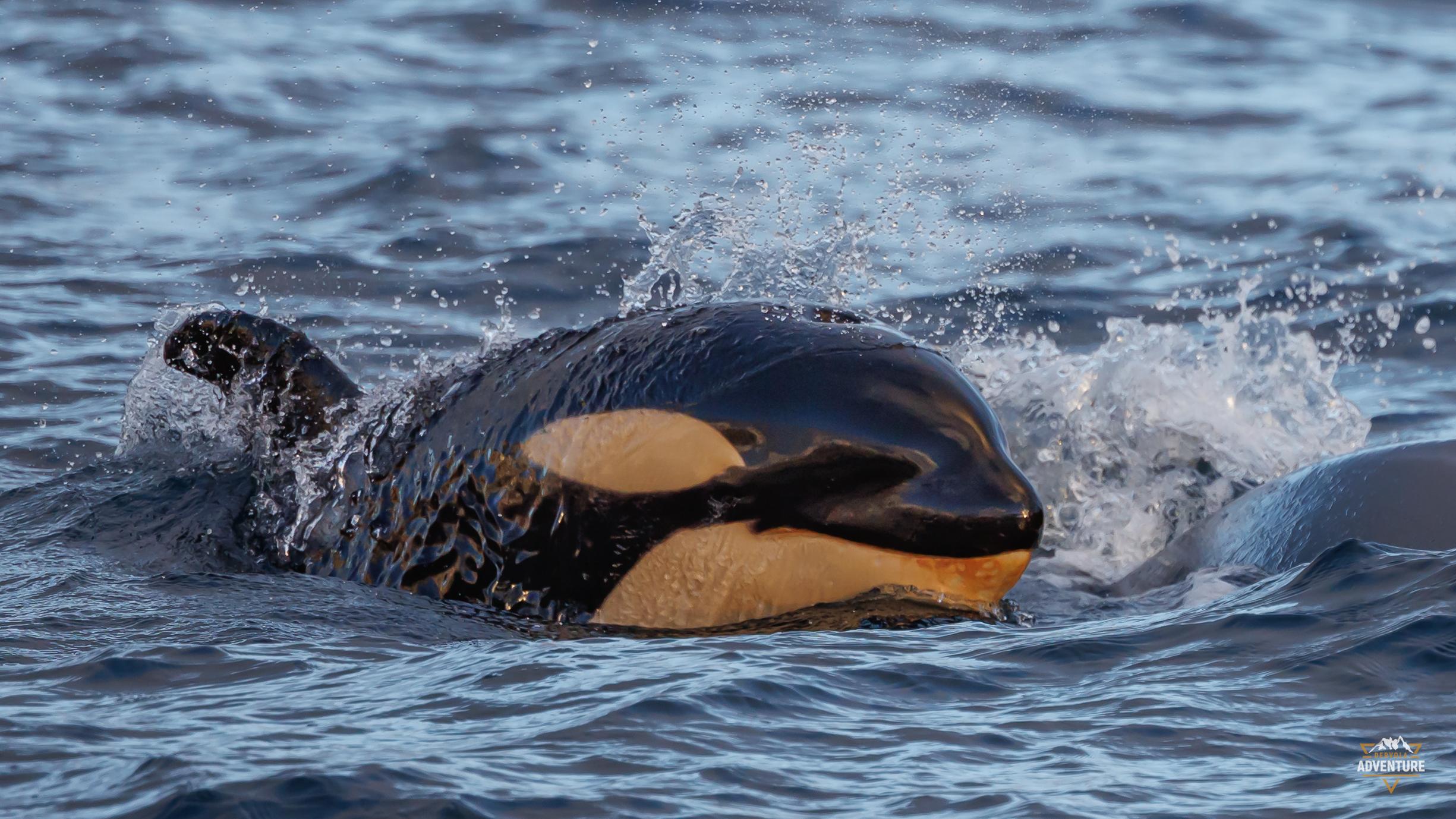
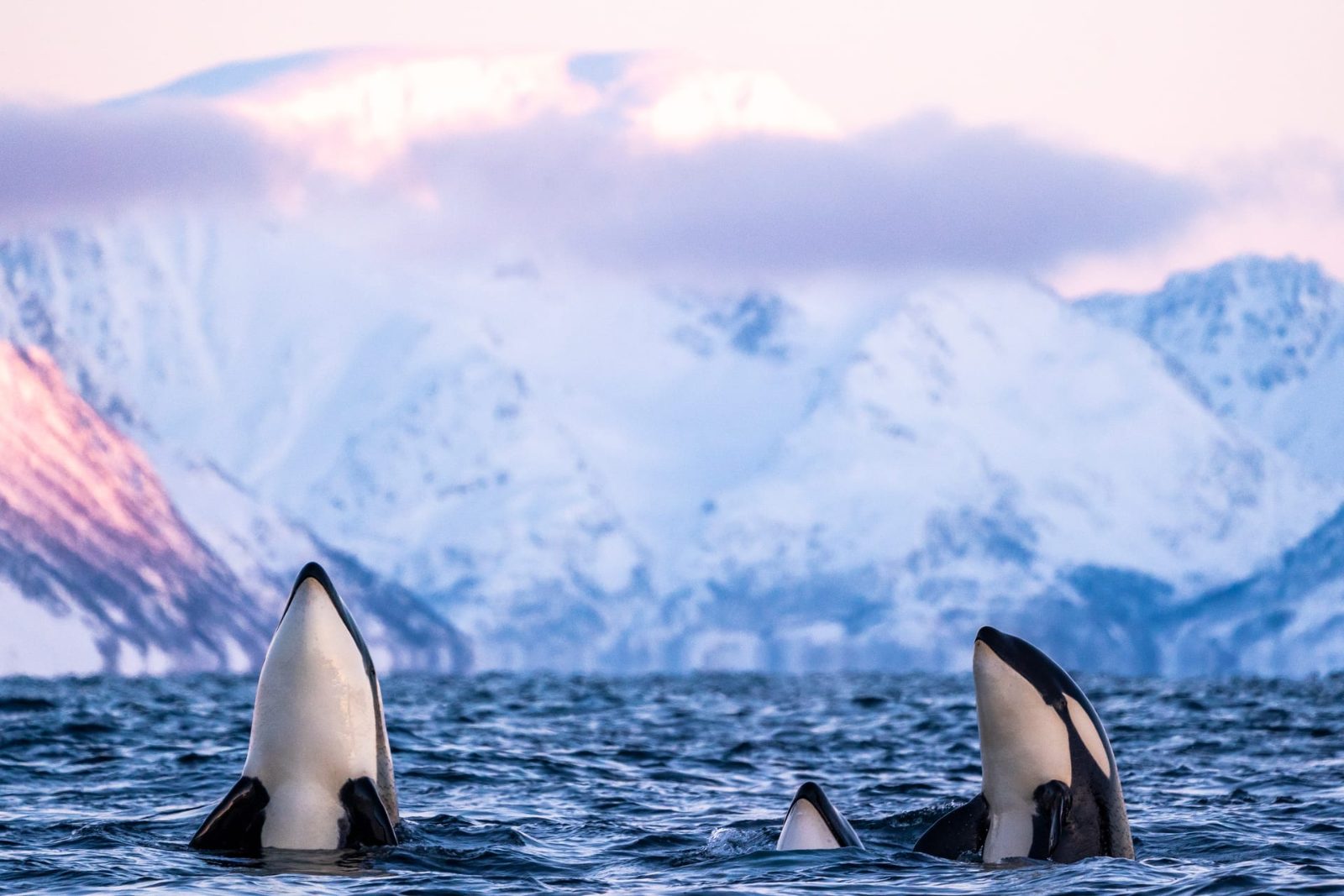
The draw here is biological rather than architectural. Herring overwinter in the deep basins of the fjords, and their sheer density pulls in orcas that hunt in coordinated carousels, herding the fish into tight balls and stunning them with their tails before feeding. Humpbacks arrive to lunge through the same bait balls, their blowholes flashing against the low blue light of midday. This choreography of predator and prey is what a Skjervøy whale safari sets out to witness, and it explains why tromso skjervoy whale watching tickets are among the most sought reasons to travel this far north through the polar-night months, when the sun barely clears the horizon.
The vessels have adapted to the setting. Silent hybrid-electric hulls slip through the fjord without engine noise, high-speed catamarans carry passengers quickly across open water, and low-slung rigid inflatables ride close to the waterline for an eye-level view. Framed by the jagged Lyngen Alps to the south and the open Norwegian Sea to the north, tromso skjervoy whale watching has become the defining reason travellers ride the coastal roads and ferries out to this island. What they come to see is not a fixed monument but an Arctic whale watching cruise whose cast changes with every tide, every shoal and every shortening winter day.

The herring arrive first, and the whales follow them like clockwork into the dark fjords of Skjervøy.
When preparing for Tromso Skjervoy whale watching, dressing in multiple warm layers is essential, including thermal wool base layers, a windproof outer jacket, and insulated boots. Most operators provide thermal flotation suits, but travelers must wear their own warm gloves, beanies, and scarves.
Large luggage cannot be accommodated on open RIB boats due to limited deck space. Small, waterproof backpacks are permitted and should be securely fastened during the journey.
Photography is permitted and highly encouraged, though photographers should protect equipment from salt spray with waterproof covers. A telephoto lens is ideal for capturing distant marine life without disturbing the animals.
Age restrictions on Tromso Skjervoy whale watching depend heavily on the vessel type. Children under the age of 14 or shorter than 140 cm are generally restricted from participating in RIB boat excursions.
Standard Tromso Skjervoy whale watching operations using open RIB boats are generally not wheelchair accessible due to high step-ins. Catamarans or larger vessels may offer limited wheelchair access to indoor decks, though boarding ramps vary by tide.
Most vessels operating Tromso Skjervoy whale watching provide complimentary warm beverages and biscuits to keep guests energized. Guests are welcome to bring their own thermos and dry snacks, though hot food is prohibited on open RIBs.
Opening Hours
00:00–23:59 Daily
Address
Havnegata 18, 9180 Skjervøy, Norway
Best Arrival Window
09:00–10:30
Official Site
https://www.visittromso.no/whale-watching
Luggage Policy
Small bags only on RIB boats
Car · 4 hours · Moderate fuel and toll costs
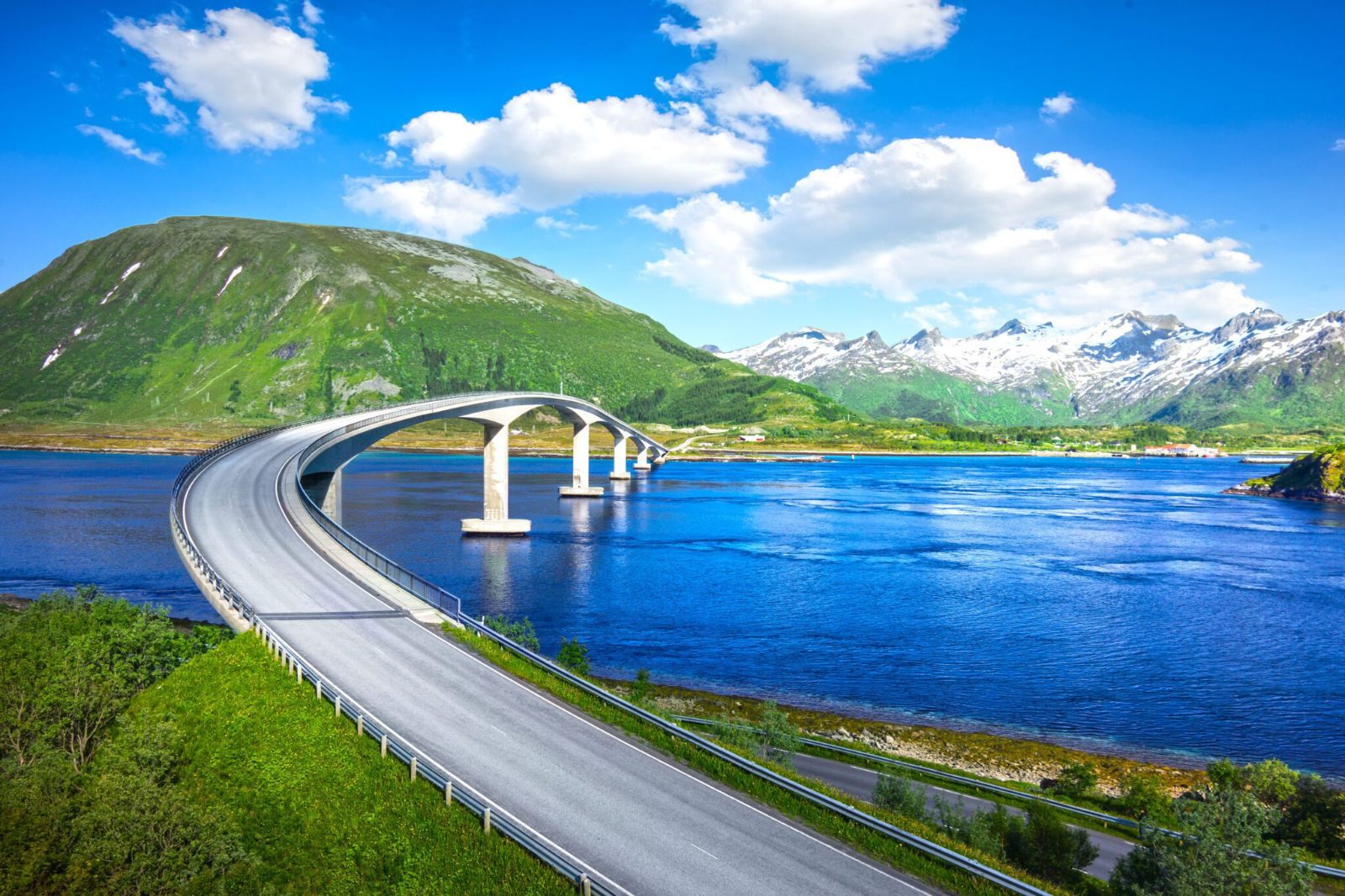
Drive north from Tromsø via the E6 highway and Route 866, crossing the Sandnesund Bridge and driving through the Maursund Tunnel.
Public transport · 4 hours · Fixed ticket fee per passenger
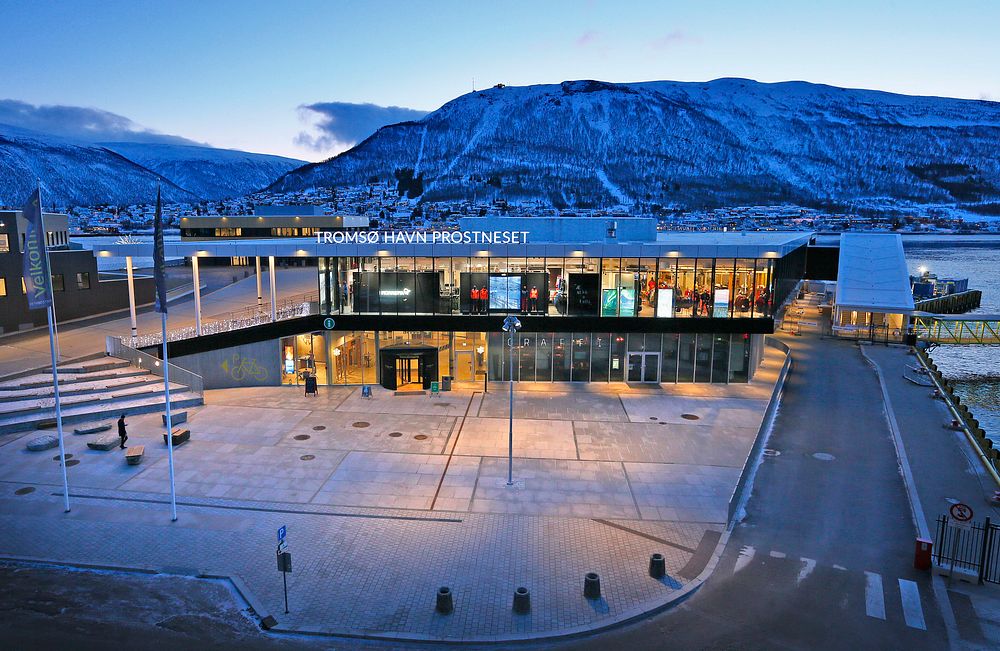
Take the Arctic Route winter bus from Tromsø Prostneset Terminal directly to Havnegata 18 in Skjervøy.
Public transport · 2.5 hours · Standard passenger ferry fare
Board the daily express boat (Hurtigbåt Line 2) from Tromsø Prostneset to Skjervøy boat terminal.
Standard guidelines for Tromso Skjervoy whale watching specify that cancellations made 24 hours prior to departure receive a full refund. Ticket prices vary by operator and entrance to the harbor area itself is 0 NOK.
Recommended time
12 hours (full tromso skjervoy whale watching tour)
When booking tromso skjervoy whale watching, expect a full-day commitment that requires a four-hour scenic bus transfer each way to the harbor at Havnegata 18, making for an early morning start and a late afternoon return. For those making their own way to the fjord to spot orcas and humpback whales, boats depart during the optimal arrival window of 09:00–10:30 to maximize the limited winter daylight that defines Northern Norway's colder months. We recommend purchasing your tromso skjervoy whale watching tickets well in advance, especially during the peak winter migration season from November to January when RIB boat spaces and heated cabin cruiser tours fill very quickly. Independent travelers can join these structured group excursions, which are frequently sold as all-inclusive packages that comfortably cover all necessary insulated flotation suits, safety briefings, hot beverages, and local guiding services.
Crowd levels through the day
Weather · crowds · average price — dots go green to amber to red as each metric rises.
The winter season brings the best opportunities for Tromso Skjervoy whale watching, aligning with the annual herring migration. Daylight hours begin to shrink rapidly as the region transitions toward the polar night.
This month offers the peak of the winter feeding frenzy under the twilight glow of the polar night. While the sun does not rise, the sky displays pink and blue hues between 09:00 and 13:00.
Whale activity remains high in the first half of the month, with the sun slowly reappearing above the horizon. Temperatures are typically at their lowest, often dropping below -5 degrees Celsius.
Whales migrate away from the fjords once the herring shoals disperse, meaning no whale watching tours operate. The harbor remains open for local fishing and standard boat traffic.
Given the short winter window, Tromso Skjervoy whale watching slots sell out rapidly, making early booking essential.
During December and January, the sun does not rise above the horizon. Plan your photography around the brief midday twilight, which offers pink hues.
The open waters around the Lyngenfjord region can be rough. Take recommended seasickness medication approximately two hours prior to boarding your vessel.
Sub-zero temperatures drain phone and camera batteries quickly. Keep spare batteries in your inner jacket pockets close to your body heat.
Even if you feel warm upon arrival, the wind chill on open RIB boats is intense. Always wear the heavy-duty flotation suits provided by the operators.
Havnegata 18, 9180 Skjervøy, Norway
Main meeting hub for local RIB departures; look for the operator signs near the dock.
Get directions
Samuel Arnesens gate 5, 9008 Tromsø, Norway
Meeting point for travelers booking the full-day tour with bus transfer from Tromsø.
Get directionsSkjervøy grew from a windswept fishing and trading post on the outer Troms coast. Its wooden church was consecrated in 1728, among the oldest in northern Norway. The settlement became a formal municipality in 1838. From 1893 the Hurtigruten coastal steamers called at its quay, binding the village to the national trade routes. For generations the harbour served cod fleets, saltfish merchants and passing traders. The offshore waters fed the community long before any visitor arrived to watch the sea. The turning point came around 2012. Norwegian spring-spawning herring shifted their wintering grounds north into the Kvænangen fjord system near Skjervøy. The vast shoals drew orcas and humpback whales close to shore each winter. Within a season the phenomenon reshaped the local economy. Local fishermen turned skippers, converting boats to meet a sudden demand. By the mid-2010s tromso skjervoy whale watching tours began carrying visitors out to these gatherings, launching from the small fishing quay. That abundance was never guaranteed. Around 2019 the herring drifted again, and operators feared the spectacle would collapse. The whales followed the fish, and sightings held through the surrounding fjords. Skjervøy settled into its role as the working base for the fleet. Each tromso skjervoy whale watching tour now reaches these waters from the wider Tromsø region, arriving by fast boat and coach through the dark months. Today the transformation reads as complete. The old fishing village doubles as an Arctic whale safari hub through the polar-night season. Entry to the harbour at Havnegata 18 stays free, where herring, orcas and humpbacks still converge. Booking tromso skjervoy whale watching tickets now binds the historic cod port to a new maritime trade, and the 1728 church still watches the same water the whales cross.
Skjervøy church was consecrated, among the oldest in northern Norway.
Skjervøy became a formal Norwegian municipality.
Hurtigruten coastal steamers began calling at the quay.
Herring shifted into the Kvænangen fjord system, drawing orcas and humpbacks.
Whale watching tours began operating from the fishing village.
The herring drifted again, yet whale sightings held in the fjords.
Free harbour access anchors day tours arriving from the Tromsø region.
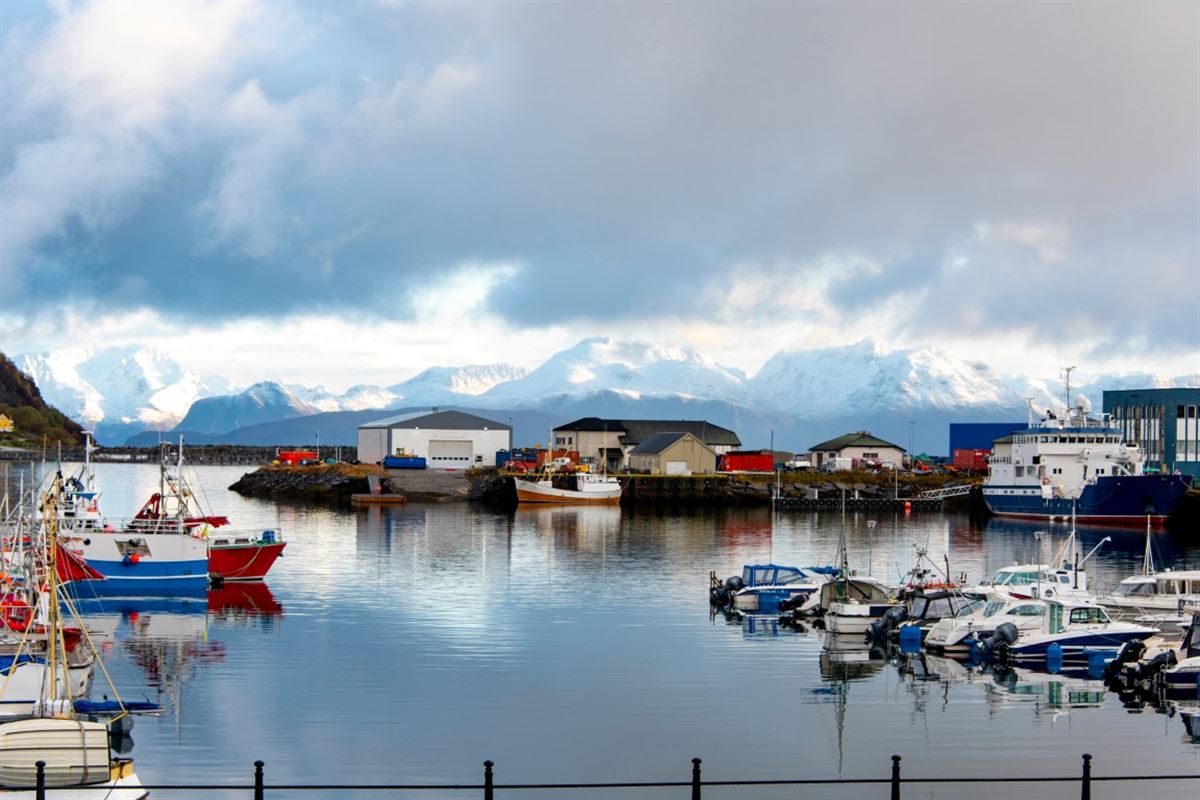
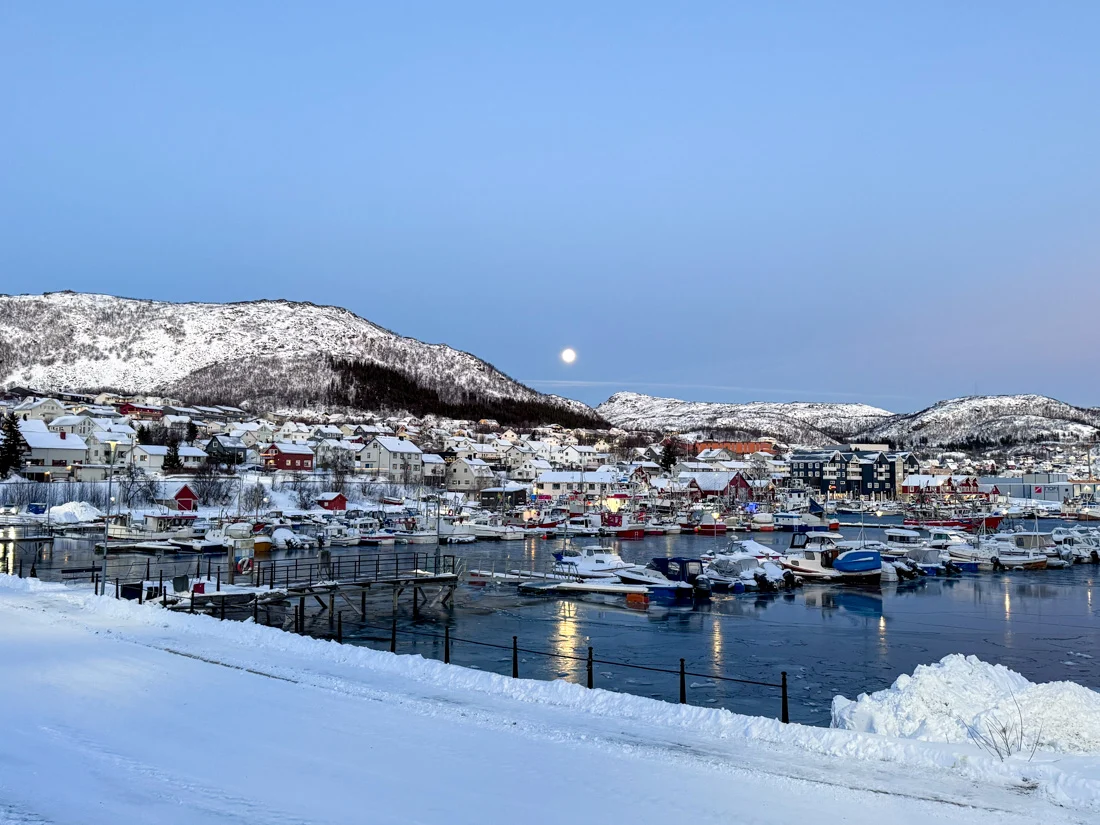
Located at Havnegata 18, this busy port is the departure point for your tromso skjervoy whale watching adventure. Stand near the pier edges to frame the vibrant fishing vessels and modern RIB boats against the backdrop of snow-dusted mountains. It is a fantastic spot to capture the anticipation before boarding.
Connecting Kågen to the main island, this structure offers an elevated perspective of the surrounding channels. Look down to photograph vessels navigating the icy waters or capture the dramatic mountain peaks rising from the sea. Having your tromso skjervoy whale watching tickets ready early ensures you can explore this area before your voyage.
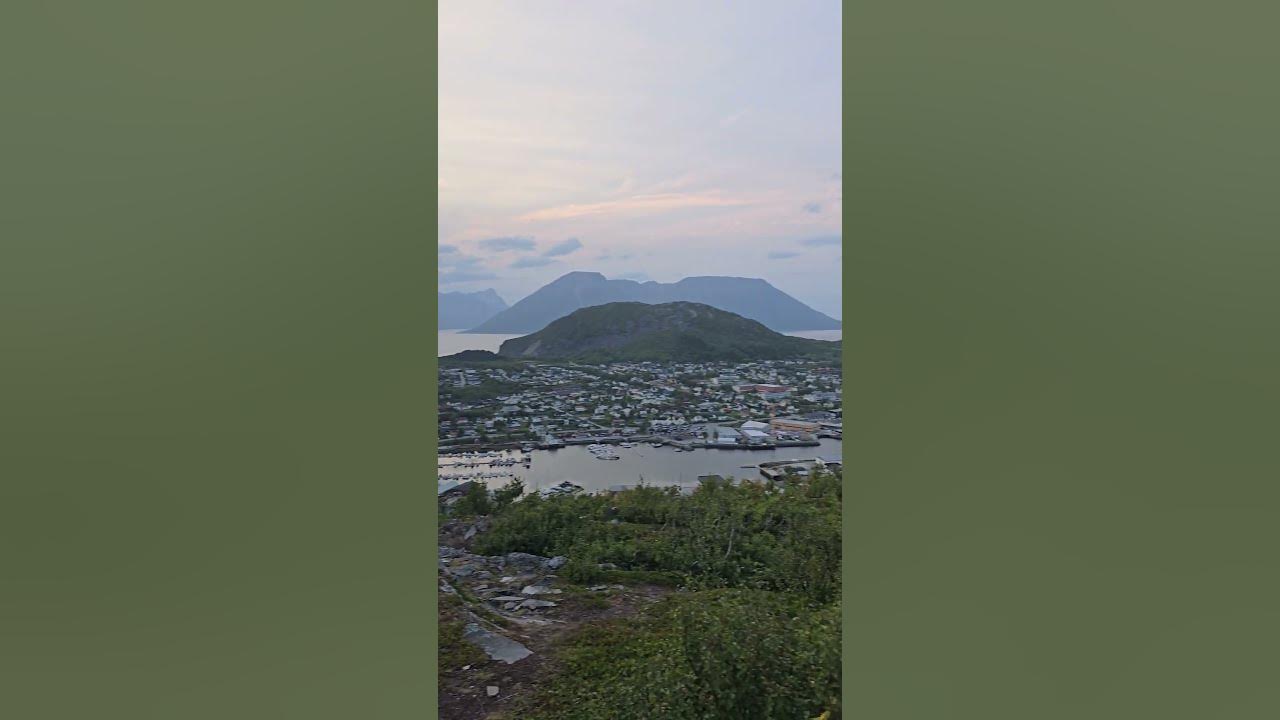
A gentle hike leads up to this scenic vantage point overlooking the entire fishing village and its coastal waters. From this elevation, you can photograph the boats returning from their tromso skjervoy whale watching tours as they sail into the harbor. The panoramic perspective showcases the dramatic intersection of the sea, town, and mountains.
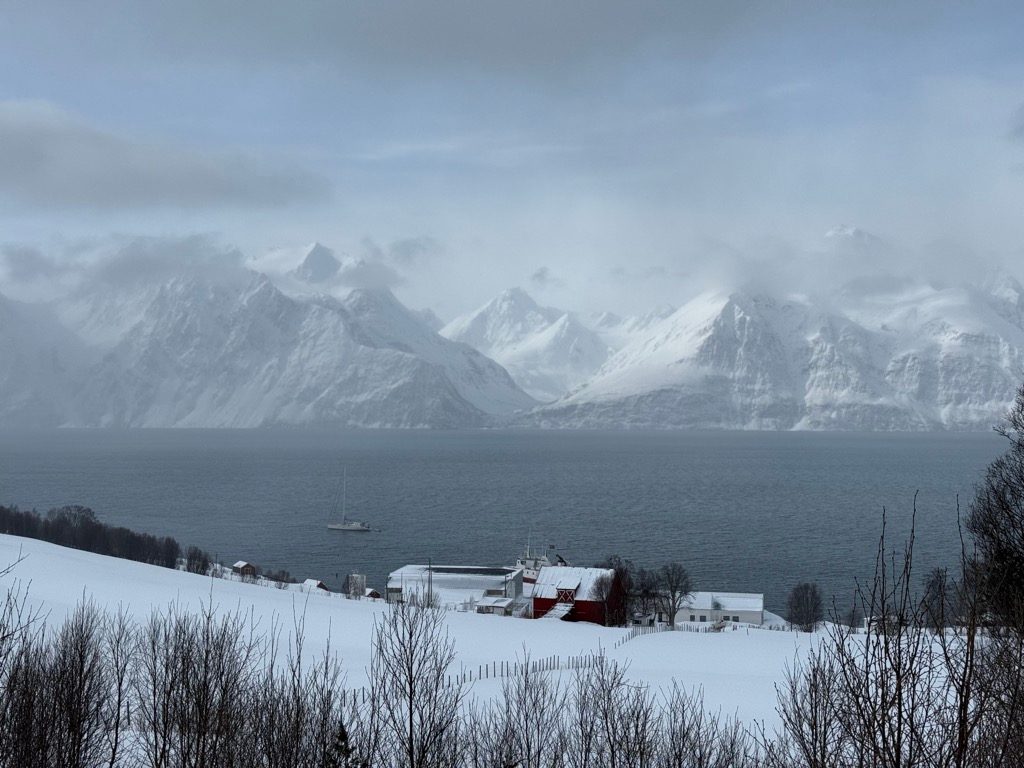
Shoot directly from the sea level while on a vessel to capture orcas and humpback whales feeding on herring shoals against the looming presence of Kågtinden mountain. Keep your camera protected from the sea spray and use a telephoto lens to capture dorsal fins slicing through the dark water. Booking a guided tromso skjervoy whale watching tour gets you close to these natural marine channels.
Families planning a tromso skjervoy whale watching trip must carefully select their vessel based on their children's ages. The freezing winter conditions and open seas require proper preparation for younger travelers.
Choose large hybrid catamarans if traveling with infants or toddlers, as these boats provide warm indoor cabins and stroller-friendly decks. Secure your tromso skjervoy whale watching tickets early for these larger vessels since they sell out fast during the peak migration months.
Rigid inflatable boat (RIB) excursions enforce strict safety rules, with most operators requiring children to be at least 120 cm to 140 cm tall. Families seeking these high-speed tromso skjervoy whale watching tours for Skjervøy Arctic whale safaris must ensure children can safely hold onto the straddle seats.
Operators provide insulated thermal suits, but they rarely have sizes for toddlers under four. Dress young children in multiple wool layers and windproof outerwear to handle the freezing fjord winds during a tromso skjervoy whale watching tour.
Large catamaran vessels are equipped with heated bathrooms, baby-changing tables, and cafes serving warm drinks. There are no toilets or shelter on the open-air RIBs, making them unsuitable for young kids who want to see orcas and humpback whales in comfort.
After wrapping up a winter tromso skjervoy whale watching excursion, the nearby harbor area has cozy local spots to warm up and share stories. Most dining options for a Tromsø whale watching tour visitor sit just a short walk from the main pier, making it easy to grab food without transport.
Located just a short walk from the harbor, this local café serves barista-style coffee, freshly baked pastries, and hot lunch dishes. It is a popular spot to relax and chat after a cold tromso skjervoy whale watching tour in the winter fjords.
This central restaurant serves traditional Norwegian dinners, local fish, and seafood made with high-quality Arctic ingredients. Visitors booking tromso skjervoy whale watching tickets can head here for a hearty warm meal or their weekly evening buffet.
Conveniently positioned near the pier, this quick stop offers classic burgers, milkshakes, and hot snack plates. It is ideal for a fast bite before heading out on scheduled tromso skjervoy whale watching tours to search the open waters.
Everything you need to know for your journey
The prime time for Tromso Skjervoy whale watching is from November through January, when massive shoals of herring migrate into the fjords.
Yes, warm thermal flotation suits, boots, and mittens are provided by most operators to ensure safety and comfort during Tromso Skjervoy whale watching.
You can book Tromso Skjervoy whale watching tickets online in advance through official tourism partners and authorized tour operators.
During Tromso Skjervoy whale watching, visitors commonly spot humpback whales, orcas, and fin whales feeding on herring.
Many operators include light snacks and hot drinks, but you should check your specific operator details as full meals are not standard.
For safety reasons, open RIB boats generally require passengers to be at least 14 years old, whereas larger vessels allow younger children.
Tours departing from Tromsø typically last between 10 and 12 hours including the scenic bus transfer, while the boat portion itself lasts about 2 to 3 hours.
If bad weather prevents departure, operators will offer to reschedule your Tromso Skjervoy whale watching trip or provide a full refund.
Most larger catamarans feature heated indoor cabins and onboard restroom facilities, but open RIB boats do not have toilets.
Yes, cameras are highly encouraged on every Tromso Skjervoy whale watching excursion, though waterproof bags are recommended to protect gear.
A historic wooden parish church constructed in 1728, making it one of the oldest wooden structures in the region.
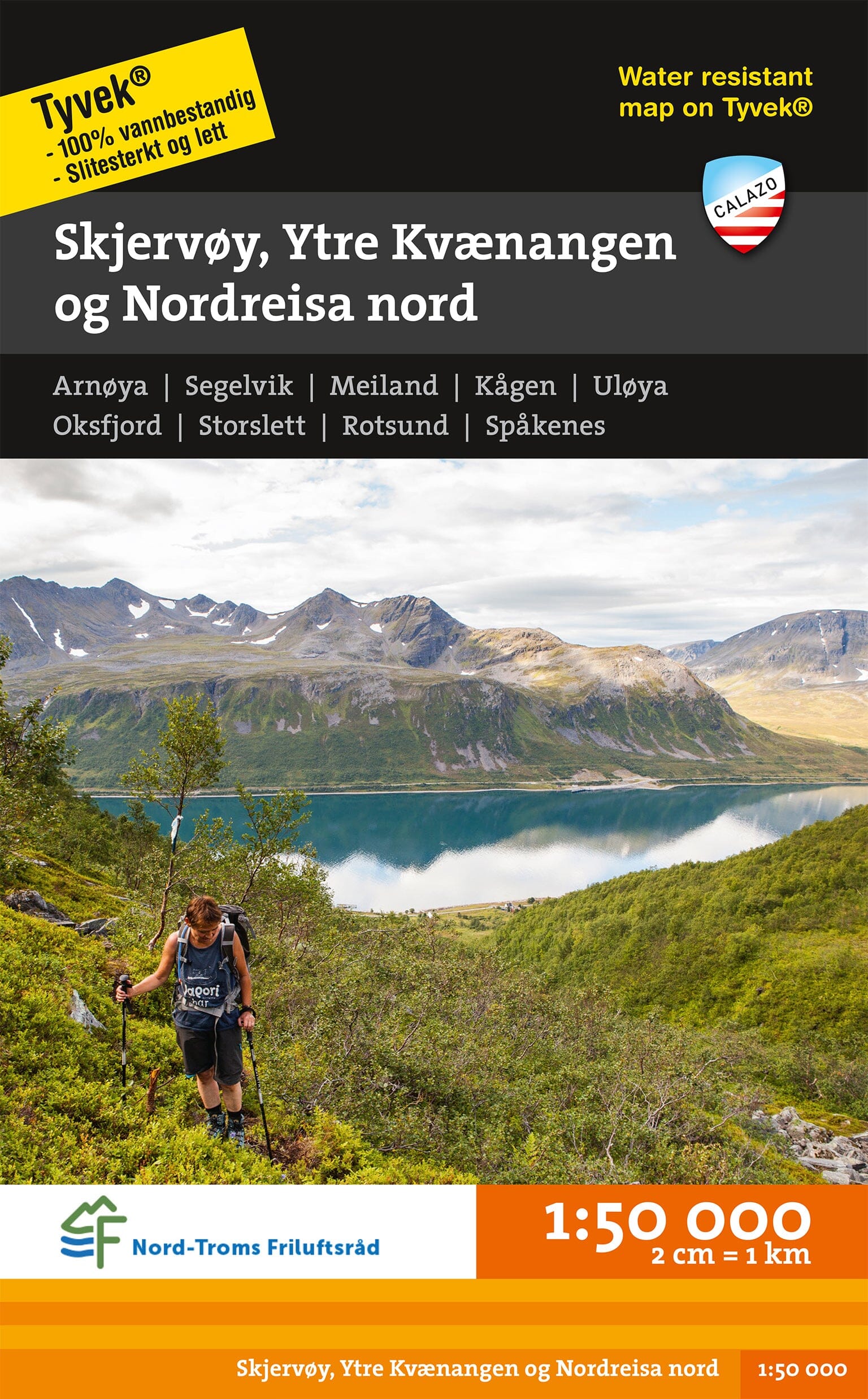
The starting point for hiking the prominent peak of Skjervøykongen, which rises 731 meters above sea level.
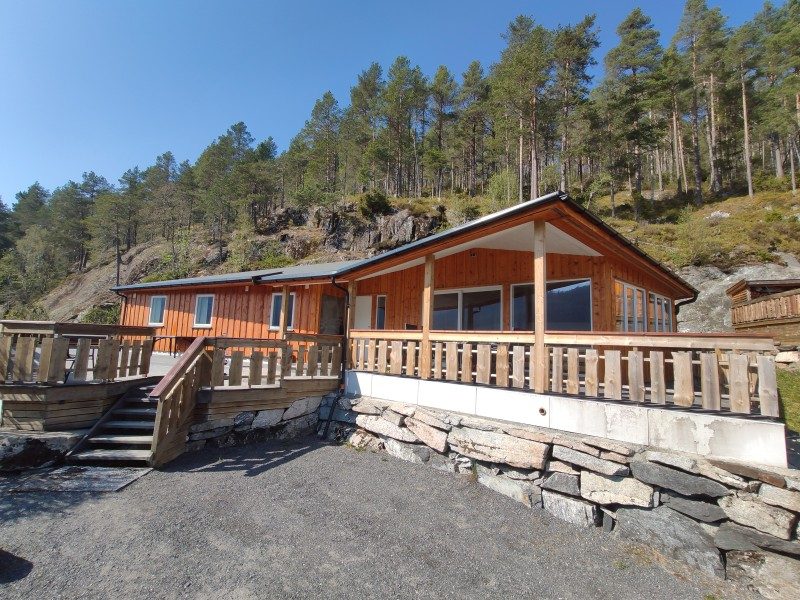
A public day-trip cabin nestled on the hills behind the town, providing scenic views of the harbor.
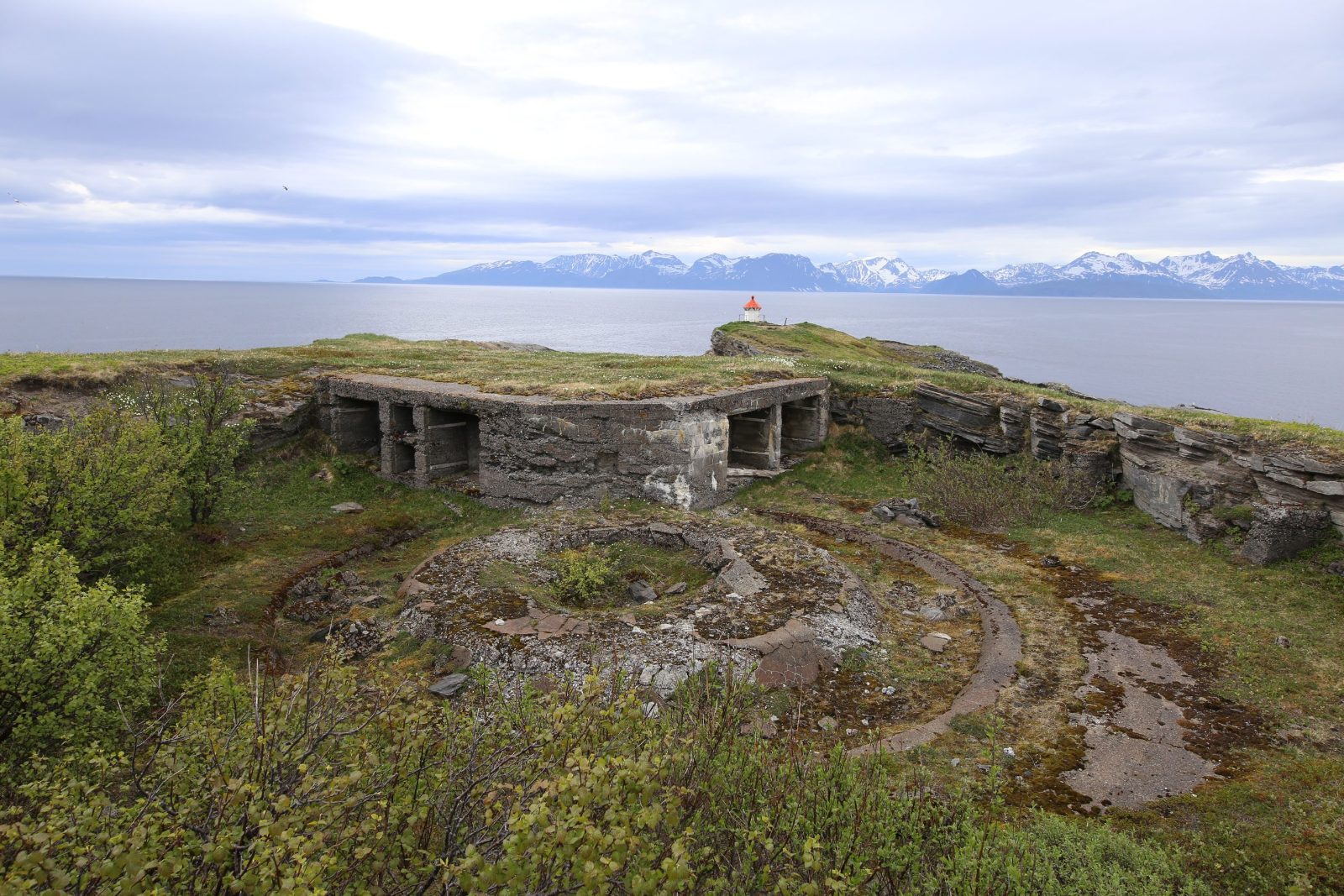
The ruins of a World War II coastal fortification situated on the outer edge of the island.
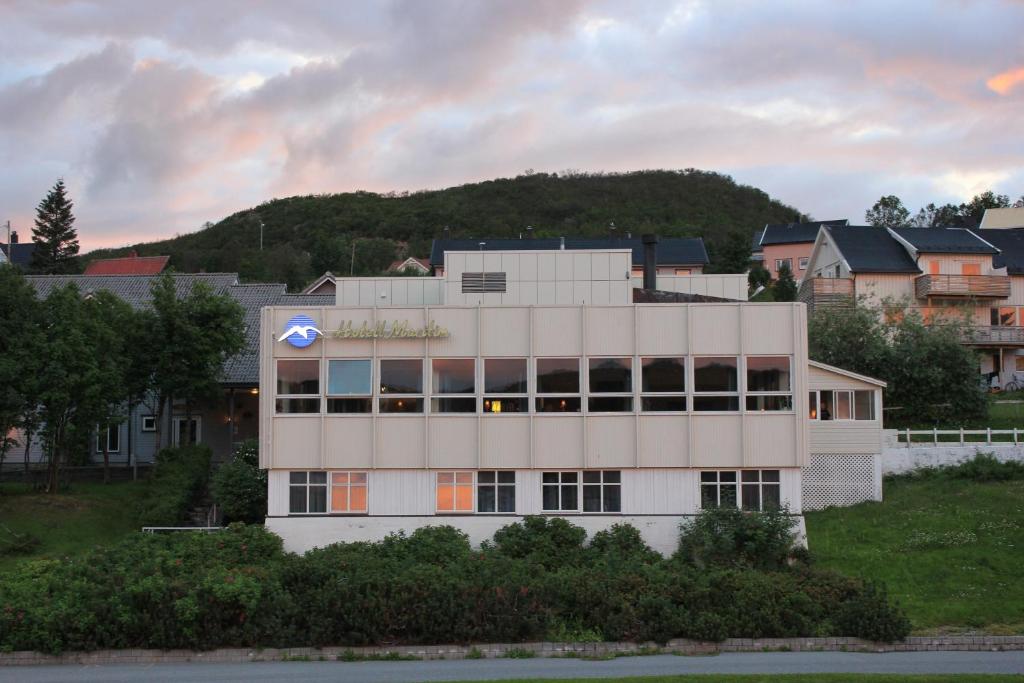
Centrally located full-service hotel offering 35 rooms, an onsite restaurant serving local fish dishes, and cozy harbor-view amenities.
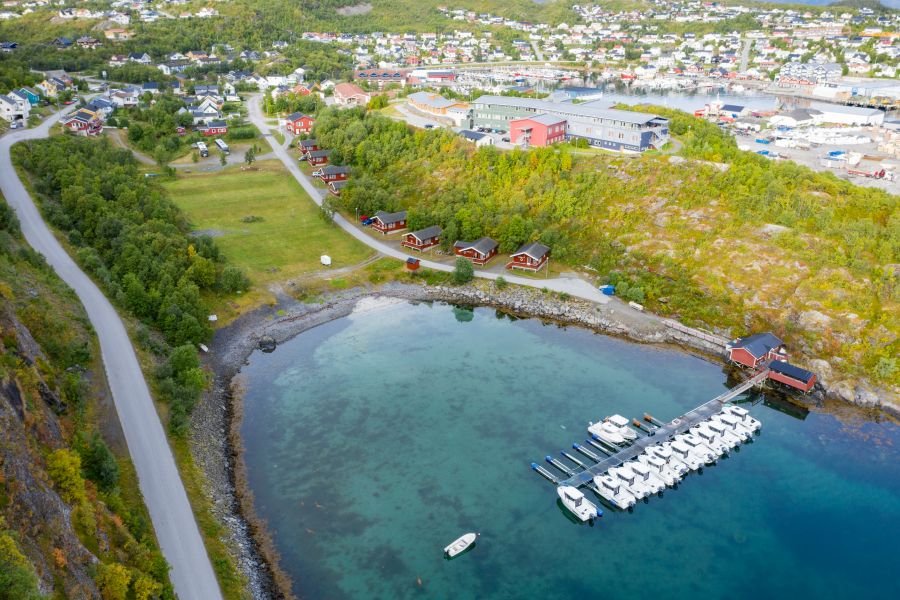
A waterfront fishing camp offering basic self-catering apartments and boat rentals, catering to outdoor enthusiasts.
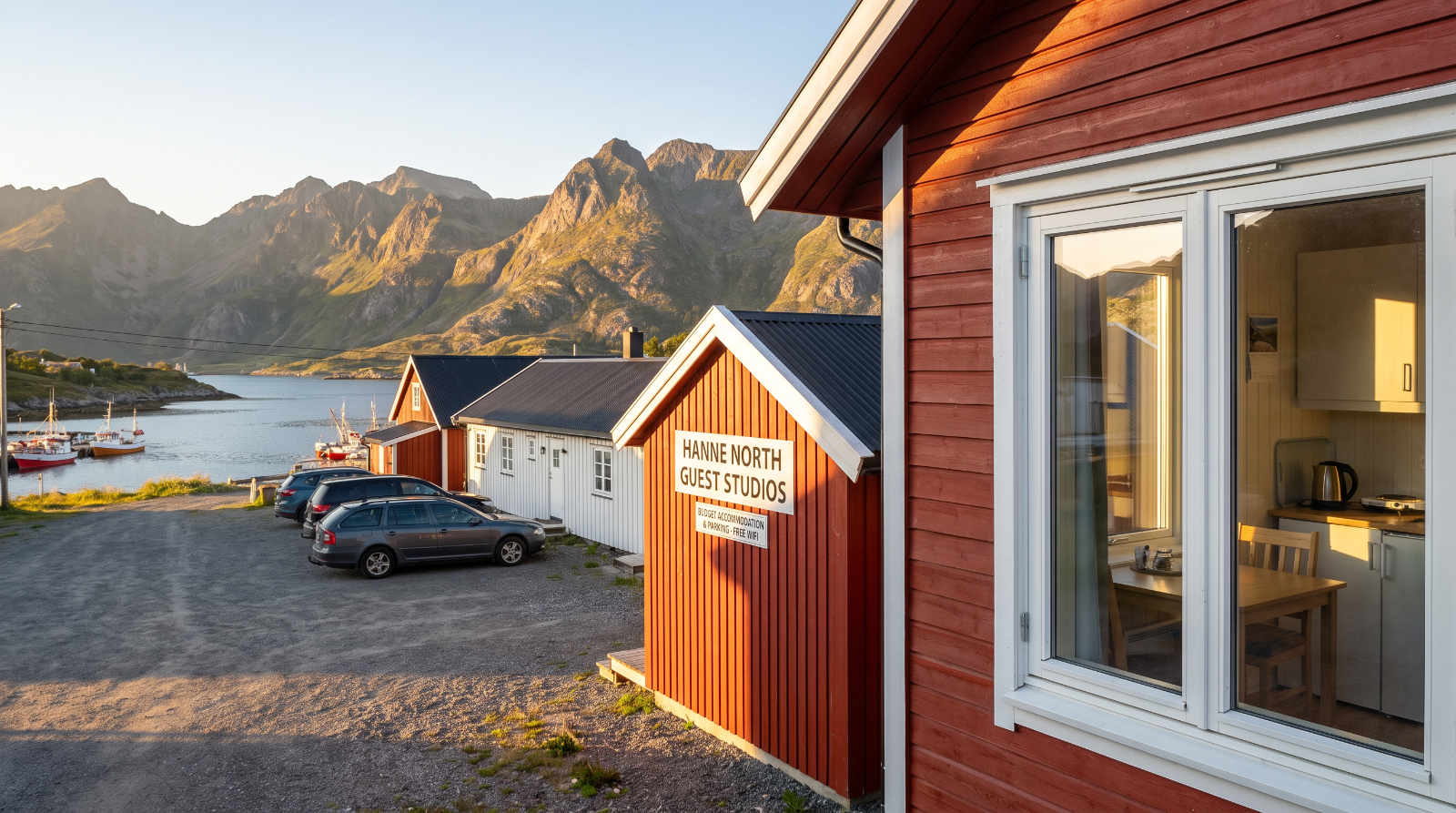
Provides clean and simple guest accommodations featuring kitchenettes, free wireless internet, and private parking.
Join thousands of happy travelers who have discovered this incredible experience
Book Your Experience Now